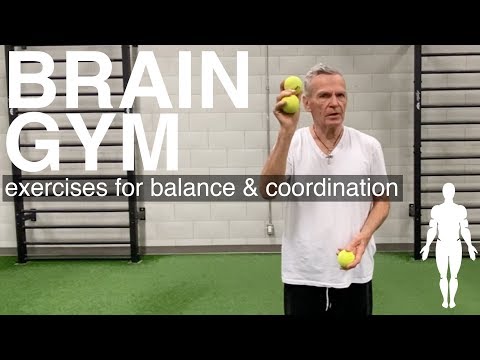
Does exercise help brain health and memory?
The Physical Activity Guidelines for Americans, written by the US Department of Health and Human Services, list brain health as one of the main benefits of being active. For adults over 50, regular activity is linked with better executive function, attention, memory and processing speed. Executive function is the set of skills you use to plan, organize and stay on task.
The same guidelines say physical activity lowers the risk of dementia, including Alzheimer's disease. The CDC lists lack of physical activity as one of the factors that can raise dementia risk. These findings come mostly from studies that follow large groups of people over time. They show a strong link, but they cannot promise that any one person will avoid dementia.
Some benefits show up quickly. A single session of moderate activity can ease short-term anxiety, help you sleep better that night and sharpen some thinking skills for a while afterward. Regular activity over weeks and months builds on that.
How much exercise is good for your brain?
There is no separate brain-only prescription. The best target is the same weekly plan the CDC recommends for all adults 65 and older. Some activity is better than none, so start where you are and build up slowly.
Heart health and brain health are closely tied. Activity helps control blood pressure, blood sugar and weight, which the NHS and CDC both link to dementia risk. Sitting less also matters. Break up long stretches of sitting by getting up and moving.
- Aerobic activity: 150 minutes a week at moderate intensity, such as 30 minutes on 5 days. Short bouts count.
- Muscle strengthening: at least 2 days a week, working the legs, hips, back, chest, shoulders and arms.
- Balance: several days a week, as part of a mix of activities.
- If health problems make these targets hard, be as active as your abilities and conditions allow.
Best types of exercise for brain health
The guidelines recommend multicomponent activity for older adults. That means mixing aerobic, strength and balance work, rather than doing only one kind. A varied routine also keeps things interesting, which makes it easier to stick with.
Aerobic exercise is the type most often studied for thinking skills. Moderate intensity means you breathe harder but can still talk in full sentences. On a 0 to 10 effort scale, that is about 3 to 5.
- Aerobic: brisk walking, cycling or a stationary bike, swimming, water aerobics, dancing.
- Strength: sit-to-stands from a chair, wall push-ups, resistance band rows, heel raises, step-ups.
- Balance: heel-to-toe walking along a counter, standing on one foot with support, tai chi.
- Flexibility: gentle stretches for the calves, hips, back and shoulders after each session.
Dance, tai chi and dual-task exercise
Dual-task exercise means moving your body while also using your mind. Learning dance steps, following a tai chi sequence or walking while naming items in a category all count. These activities ask you to remember patterns, react and coordinate at the same time.
Dance and tai chi are also good balance training, which helps lower fall risk. Choose a pace that lets you stay safe. If you are unsteady, start seated or keep a counter or partner within reach.
- Walk and count backward by 3s, or name animals from A to Z.
- Step in a pattern (forward, side, back) and change the order every minute.
- Try a beginner line dance, ballroom or seated dance class.
- Follow a beginner tai chi video and practice the same short sequence each week.
Exercise with mild cognitive impairment
Mild cognitive impairment, or MCI, means memory or thinking problems that are more than expected with age but do not stop you from living on your own. The American Academy of Neurology advises doctors to recommend regular exercise, at least twice a week, as part of an overall plan for people with MCI. Studies lasting about 6 months suggest it may help thinking skills, though long-term results are not yet known.
Most people with MCI can follow the same plan as other older adults. A few changes can make it easier to stick with.
- Exercise at the same time each day and write it on a calendar or set a phone reminder.
- Keep instructions simple. A short printed routine on the fridge helps.
- Exercise with a friend, family member or group class. Social contact is good for mood and makes sessions more likely to happen.
- Walk familiar routes, carry a phone and tell someone where you are going.
- Tell your doctor about any sudden change in memory or confusion. That needs to be checked, not exercised through.
How to start safely and stay with it
Begin with what feels easy. If you are mostly inactive, start with 10 minutes of walking on most days and 1 set of 8 to 10 strength moves twice a week. Add a few minutes each week until you reach your goal. VitalStep can build a personalized low-impact plan that progresses at a steady pace like this.
Pick activities you enjoy, since the best exercise is the one you keep doing. Group walks, community center classes and dance sessions add the social side, which many people find keeps them coming back.
- Check with your doctor first if you have heart disease, diabetes, high blood pressure, joint problems or a history of falls.
- Wear supportive shoes and exercise in a well-lit, clutter-free space.
- Drink water, and avoid exercising outdoors in extreme heat or cold.
- Pair exercise with other brain-healthy habits: good sleep, not smoking, limiting alcohol and managing blood pressure.
When to stop exercising and get help
Stop right away and contact your doctor, or call emergency services if symptoms are severe, if you notice:
- Chest pain, pressure or tightness, or pain spreading to the arm, jaw or back (call emergency services)
- Sudden confusion, trouble speaking, face drooping, or weakness or numbness on one side of the body (call emergency services, these can be signs of stroke)
- Fainting, or feeling very dizzy or lightheaded
- Shortness of breath that is much worse than expected or does not ease with rest
- A heartbeat that feels very fast, pounding or irregular
- A fall, especially if you hit your head, feel unsteady afterward or take blood thinners
- New or rapidly worsening memory problems or confusion, which should be checked by a doctor
Sample beginner week
An example to show how a balanced week can look. Adjust it to your energy, symptoms and your clinician's advice, or let VitalStep build one around your schedule.
| Day | Activity | Time | Intensity |
|---|---|---|---|
| Monday | Brisk walk + leg strength (sit-to-stands, heel raises, step-ups) | 35 min | Moderate (RPE 3-5/10) |
| Tuesday | Beginner tai chi or balance practice (heel-to-toe walk, single-leg stand with support) | 20-30 min | Light (RPE 2-3/10) |
| Wednesday | Dual-task walk (walk while counting backward or naming categories) + stretching | 30 min | Moderate (RPE 3-4/10) |
| Thursday | Rest day: easy stroll or gentle stretching | 10-15 min | Very light (RPE 1-2/10) |
| Friday | Stationary bike or brisk walk + upper body strength (wall push-ups, band rows) | 35 min | Moderate (RPE 3-5/10) |
| Saturday | Dance class, group walk or water aerobics with friends | 30-45 min | Moderate (RPE 3-5/10) |
| Sunday | Rest day: relaxed walk with family or gentle stretching | 10-20 min | Very light (RPE 1-2/10) |