
Brain Gym Exercises for Balance and Coordination for Seniors
2-minute workout video. Warm Up, Low Impact. targeting Full Body. low intensity. helps with Maintain General Health.
⏱️ Key Moments
Is this workout right for you?
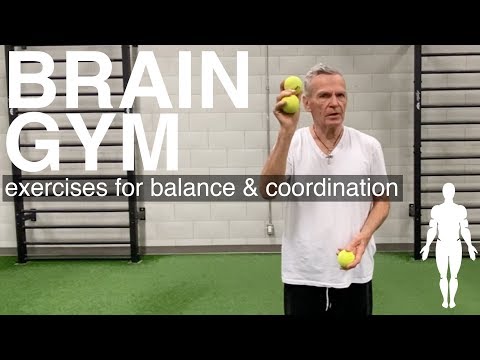
This 2-minute beginner warm-up is a brain gym workout built around balance and coordination. The summary describes it as using tennis balls, with tossing and catching, to engage both sides of the brain. It is low impact, needs no equipment, and targets the full body. It is listed for memory support and general health goals. Because it is short, it may suit a warm-up or a quick daily break. Read the condition notes below if you have bone or back concerns.
Good for
- Adults who want a very short, low impact warm-up before other activity
- People who are new to exercise or prefer gentle, beginner-level routines
- Anyone interested in balance and coordination practice without special equipment
- Readers focused on general health and staying active in daily life
- People who want a brief routine they can fit into a busy day
Check first
- This video uses tennis balls, so you will need two balls or a similar soft object before you start.
- It is listed with a low intensity rating, but balance and coordination work can still be tiring for some people.
- Its listed caution areas are osteoporosis and chronic back pain or disc herniation, so review those notes first.
- Because balance is involved, check that you have a clear space with nothing you could trip over.
- The video is only 2 minutes long, so think of it as a supplement rather than a full workout.
Before you start
- Talk with your doctor or physical therapist if you have balance problems, dizziness, or a history of falls.
- Choose a sturdy chair or a wall nearby so you can hold on if you feel unsteady.
- Wear supportive shoes with a flat, non-slip sole and avoid socks on hard floors.
- Pause the video and rest whenever you feel short of breath, dizzy, or unusually tired.
- Keep water nearby and stop if you feel pain that does not ease after a short rest.
Make it easier
- Sit in a sturdy chair with a firm back and do the activity seated if standing feels unsafe.
- Use a lighter or softer ball so catching and tossing feel more comfortable.
- Keep the tosses short and low so you do not need to reach far or move quickly.
- Repeat the 2-minute routine only once at first, then add more time as you feel ready.
- Stand near a counter or wall so you can steady yourself at any point.
When it feels easy
- Stand with your feet close together only after you feel steady in a seated or supported position.
- Try the routine after a short walk so your body is warm and your focus is sharp.
- Repeat the 2-minute video a second time with a short rest in between.
- Add a brief walk or other moderate activity after the video to build your total activity.
- Once the routine feels easy, add it to a longer session of balance or strength practice.
If you have a health condition
Memory Support / Cognitive Health
This video is listed for memory support and cognitive health goals. Many people enjoy routines that mix movement with focus, and this one combines balance with hand and eye coordination. The listing does not mean it will prevent or treat any memory condition. If you have concerns about memory, talk with your doctor about your options and how exercise may fit into your care.
Read the full memory support / cognitive health exercise guide →Osteoporosis
This video is listed with a caution for osteoporosis. Balance and coordination work can raise the risk of a fall, and a fall can be more serious when bones are weak. Ask your doctor whether this routine is appropriate for you. Stay seated or supported, avoid sudden twists or quick movements, and stop if you feel any unusual pain.
Read the full osteoporosis exercise guide →Chronic Back Pain / Disc Herniation
This video is listed with a caution for chronic back pain or disc herniation. Many people with back concerns can take part in gentle activity, but the right choice depends on your condition. Check with your doctor or physical therapist before you start. If reaching, tossing, or turning causes pain, stop and rest. Do not push through sharp or spreading pain.
Read the full chronic back pain / disc herniation exercise guide →How it fits your week
Adults are often encouraged to aim for 150 minutes of moderate activity a week. A 2-minute video will add only a small part of that total, so it works best as a warm-up or a break between longer sessions. Consider pairing it with walking, gentle strength work, or other activities you enjoy. Track your total minutes across the week and build up slowly as your energy and comfort allow.
Frequently asked questions about Brain Gym Exercises for Balance and Coordination for Seniors
Is this brain gym workout good for seniors who are new to exercise?▼
This video is rated beginner and low intensity, so it may suit people who are new to exercise. Its low impact design and short length keep the demands modest. Still, balance work carries some fall risk. Start seated or near a wall, and talk with your doctor first if you have balance problems or bone or back concerns.
Do I need equipment for this balance and coordination video?▼
The video lists no required equipment, but its summary describes tennis balls for tossing and catching. You will need two soft balls or a similar object to follow it as written. Choose balls that feel comfortable to hold. Clear a space around you so you can move safely without bumping into furniture or other items.
How often can I do a 2-minute balance workout each week?▼
There is no single rule for how often to do a 2-minute routine. Many people use short sessions as a daily warm-up or a break from sitting. Start with a few days a week and see how your body responds. Stop if you feel dizzy, sore, or unusually tired, and talk with your doctor about your overall activity plan.
This guide is general information written by VitalStep from the video's details, not medical advice. Ask your doctor what is right for you.
About the creator
This workout was created by Human 2.0 Fitness and is played from YouTube, so every view counts for the creator's channel. VitalStep adds condition tags, a written guide and safety notes to help you decide whether it fits your health. If you enjoy it, support the creator on YouTube.
More from Human 2.0 Fitness on VitalStep

Related Workouts
 12:21
10-minute Morning Barre Workout for Full Body Activation
Aura Studio
 37:02
Beginner Pregnancy Workout for Full Body Strength and Flexibility
Pregnancy and Postpartum TV
 17:03
15-minute Full Body Pregnancy Workout for Pain Relief
Pregnancy and Postpartum TV
 31:54
Seniors & Beginners Cardio & Strength Workout for Weight Control
Curtis Adams
 14:19
14-minute Full Body Workout for Seniors to Maintain General Health
Roberta's Gym
 20:46
20-minute Full Body Strength Training and Cardio for Seniors
Curtis Adams
Suitable Conditions
Therapeutic Goals
⚠️ Caution
Consult your doctor if you have: Osteoporosis, Chronic Back Pain / Disc Herniation