Does exercise help insomnia?
Regular physical activity is one of the healthy habits that support better sleep. The NHLBI, part of the NIH, lists regular daytime exercise among its tips for insomnia, and the NHS advises exercising regularly during the day. The CDC also names regular exercise as a habit that can improve sleep.
Exercise is not a stand-alone cure for chronic insomnia, though. It works best as part of a routine that includes a regular wake time, a calm bedtime routine and limits on caffeine, alcohol and late naps. Think of activity as something that helps your body be ready for sleep, not as a sleeping pill.
Being active has other benefits that matter for people with poor sleep. It supports mood, heart health and energy during the day, which can make it easier to stick with the rest of your sleep plan.
If you are new to exercise, start small. Short walks of 10 minutes on most days are a good first step. Add a few minutes each week, and work toward the general US guideline of 150 minutes of moderate activity a week, plus strength training twice a week. If you have a heart, lung or other chronic condition, check with your doctor before you increase your activity.
Best time to exercise for better sleep
Earlier in the day is the safer choice if you have insomnia. The NHLBI suggests finishing exercise at least 5 to 6 hours before bedtime, because exercising close to bedtime can make it harder to fall asleep. The NHS advises not exercising within 4 hours of bed. Advice differs a little between sources, so use these as a starting point and watch how your own sleep responds.
If the evening is your only free time, keep it moderate and give yourself time to wind down afterward. Save hard workouts, like fast runs or heavy lifting, for earlier in the day. Use the last hour before bed for quiet activities, not exercise or bright screens.
- Morning or midday: the best time for brisk walks, cycling, swimming or strength training.
- Late afternoon: fine for most people, if it ends well before bed.
- Evening: gentle stretching or slow breathing only, if exercise seems to keep you awake.
- Keep a simple sleep diary for 2 weeks to see which timing works for you.
Morning light walks: daylight and your body clock
Light is the strongest signal for your body clock, according to the NIH. Your brain uses light and dark to decide when to make melatonin, the hormone that helps you feel sleepy at night. Light from screens late at night can confuse this clock.
A walk outdoors in the morning combines two helpful habits: daylight and movement. Try to step outside soon after you get up, at the same time each day, even when it is cloudy. A regular wake time anchors your sleep schedule, so keep it the same on weekends too.
Start with 10 to 15 minutes at an easy pace and build up to 20 to 30 minutes of brisk walking. If mornings are hard, a walk at lunchtime still gives you daylight and activity. Avoid long daytime naps, especially in the afternoon, since they can make it harder to sleep at night.
Yoga, tai chi and relaxation for sleep
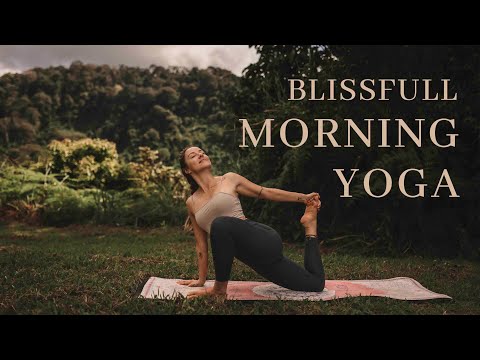
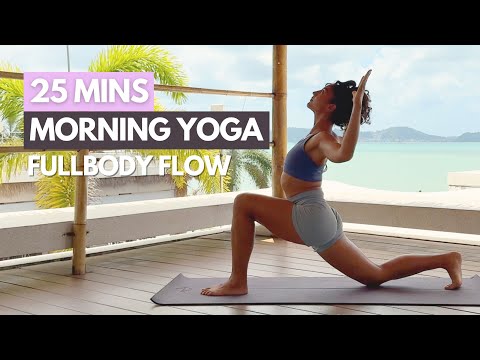
Gentle mind and body practices are good low-intensity options, especially in the evening. The National Center for Complementary and Integrative Health (NCCIH) says studies suggest yoga and tai chi can improve sleep quality, although they have not been shown to treat insomnia itself. Tai chi appears to be safe, and studies in older adults show better sleep quality.
Relaxation techniques, like progressive muscle relaxation and guided imagery, are safe and easy to use. The NHLBI also suggests calming activities such as meditation or yoga as part of a bedtime routine.
- Slow yoga or stretching: 10 to 20 minutes, with easy poses and no hard flows late at night.
- Tai chi: a class or video 2 to 3 times a week. It also helps balance.
- Progressive muscle relaxation: tense and release each muscle group, from feet to face.
- Slow breathing: breathe in for about 4 counts and out for about 6, for 5 minutes.
CBT-I: the first-line treatment for chronic insomnia
Cognitive behavioral therapy for insomnia (CBT-I) is the first treatment usually recommended for long-term insomnia. The American Academy of Sleep Medicine (AASM) gives CBT-I a strong recommendation for adults with chronic insomnia. It is the only treatment in that guideline to get a strong rating. The AASM advises against using sleep hygiene tips alone as the treatment.
The NHLBI describes CBT-I as a 6 to 8 week program. It teaches you to change thoughts and habits that keep you awake, and it often includes sleep restriction, stimulus control, relaxation and sleep education. It can be delivered by a doctor, nurse or therapist, in person, by phone or online.
Exercise fits well alongside CBT-I. Ask your doctor whether CBT-I is right for you, and do not stop or change any sleep medicine without their advice.
When poor sleep may be sleep apnea
Some people who think they have insomnia actually have sleep apnea, a condition where breathing stops and starts during sleep. It is important to find, because it is linked to other health problems and has its own treatments. The NHLBI notes that insomnia can itself be a symptom of sleep apnea, especially in women.
Tell your doctor if you notice any of the signs below. A sleep study may be needed to find out what is going on. Exercise can support your overall health, but it does not replace testing or treatment for sleep apnea.
- Loud, frequent snoring, or a partner notices pauses in your breathing.
- Waking up gasping or choking.
- Strong daytime sleepiness, or nodding off while reading, watching TV or driving.
- Morning headaches or a dry mouth when you wake.
- Waking often at night to urinate.
When to stop exercising and get help
Stop right away and contact your doctor, or call emergency services if symptoms are severe, if you notice:
- Chest pain, pressure or tightness during or after exercise (call 911 if it does not go away within a few minutes of rest)
- Sudden severe shortness of breath, fainting, or a racing or irregular heartbeat (call 911)
- Signs of stroke, such as face drooping, arm weakness or trouble speaking (call 911 right away)
- Feeling dizzy, very drowsy or unsteady during exercise, especially if you take sleep medicine
- Falling asleep while driving or nodding off during daily tasks (stop driving and see your doctor promptly)
- Loud snoring with pauses in breathing or waking up gasping (see your doctor about sleep apnea)
- Exercise that leaves you more wired or worse at sleeping for several nights (move it earlier or make it lighter)
Sample beginner week
An example to show how a balanced week can look. Adjust it to your energy, symptoms and your clinician's advice, or let VitalStep build one around your schedule.
| Day | Activity | Time | Intensity |
|---|---|---|---|
| Monday | Morning outdoor walk + light strength (sit-to-stands, wall push-ups, band rows) | 30 min | Moderate (RPE 3-4/10) |
| Tuesday | Morning or lunchtime brisk walk; evening slow breathing | 30 min + 5 min | Moderate, then very light |
| Wednesday | Rest day: short daylight stroll and gentle evening yoga | 15 min + 15 min | Very light (RPE 1-2/10) |
| Thursday | Cycling, swimming or an elliptical, finished by mid-afternoon | 30 min | Moderate (RPE 3-4/10) |
| Friday | Morning outdoor walk + light strength (glute bridges, step-ups, band rows) | 30 min | Moderate (RPE 3-4/10) |
| Saturday | Tai chi class or video, then a walk in daylight | 40 min | Light to moderate (RPE 2-3/10) |
| Sunday | Rest day: easy stroll at your usual wake time and evening relaxation | 20 min | Very light (RPE 1-2/10) |