
Brain Health Exercise Plan for Men 60-69
Senior Health & Cognitive Support Program
Morning Workout - Brisk Walking
Walk at a pace where you can still hold a conversation, but feel your heart rate slightly increase. Maintain good posture and swing your arms naturally. Wear supportive shoes. Best done before breakfast or 1 hour after eating.
Afternoon Workout - Seated Dumbbell Shoulder Press
Sit on a sturdy chair, hold light dumbbells (or two water bottles) at shoulder height, and press upward until arms are almost fully extended. Lower slowly. Do 3 sets x 10 reps, rest 1 minute between sets. If you have shoulder pain, reduce weight or range of motion.
Evening Workout - Gentle Stretching
Perform neck, shoulder, back, and leg stretches. Hold each stretch for 15-20 seconds, repeat twice. Breathe deeply. Best done after dinner. Avoid bouncing movements.
Morning Workout - Tai Chi or Balance Practice
Follow a beginner Tai Chi video or practice standing on one leg, switching sides every 30 seconds. Repeat 5 times. Do this before breakfast or 1 hour after eating. Hold onto a chair for support if needed.
Afternoon Workout - Resistance Band Rows
Sit or stand, loop band under feet, hold ends, pull hands towards hips, squeeze shoulder blades. 3 sets x 12 reps, rest 1 minute between sets. Keep your back straight; if no band, use light weights.
Evening Workout - Mindful Breathing & Relaxation
Sit comfortably, close your eyes, focus on slow, deep breathing. Inhale for 4 counts, exhale for 6. Helpful for stress and cognitive health.
Morning Workout - Stationary Cycling or Outdoor Cycling
Cycle at an easy pace for 5 minutes to warm up, then increase speed for 10 minutes, then cool down for 5 minutes. If outdoors, wear a helmet and cycle in safe areas.
Afternoon Workout - Wall Push-Ups
Stand facing a wall, hands shoulder-width on wall, step back, bend elbows to bring chest toward wall, push back. 3 sets x 12 reps. Rest 1 minute between sets. Adjust distance from wall to change difficulty.
Evening Workout - Gentle Yoga (Neck, Back, Hips)
Perform gentle yoga poses such as cat-cow, seated spinal twist, and child's pose. Hold each pose 20 seconds. Use a mat or soft surface.
Morning Workout - Brisk Walking with Cognitive Challenge
Walk at a steady pace; during walk, try counting backwards, naming objects starting with a certain letter, or recalling a shopping list. Excellent for memory support.
Afternoon Workout - Chair Squats
Stand in front of a sturdy chair, lower yourself as if sitting, touch chair lightly, stand up. 3 sets x 10 reps. Use arms for support if needed.
Evening Workout - Seated Hamstring and Calf Stretch
Sit, stretch one leg out, reach toward toes. Hold 20 seconds, switch legs. Repeat 3 times per leg. Never force a stretch.
Morning Workout - Swimming or Water Aerobics
Swim easy laps or perform gentle aerobic movements in the water (walking, arm circles). If no pool, substitute with brisk walking.
Afternoon Workout - Step-Ups
Use a low step or stair. Step up with one foot, then the other, step down. Alternate leading foot. 3 sets x 10 reps per leg. Hold onto a railing for balance.
Evening Workout - Progressive Muscle Relaxation
Tense each muscle group for 5 seconds, then relax for 10 seconds. Work from feet up to head. Helps with sleep and stress.
Morning Workout - Nature Walk
Walk in a park or green area at a comfortable pace. Focus on your surroundings, sights, and sounds. Good for mood and cognitive health.
Afternoon Workout - Seated Bicep Curls
Sit, hold light dumbbells or water bottles, curl towards shoulders, lower slowly. 3 sets x 12 reps. Keep back straight.
Evening Workout - Gentle Stretching
Repeat Day 1 evening stretches. Helps muscle recovery.
Morning Workout - Rest or Light Activity
Take a slow walk or perform full-body stretching, focusing on relaxation. Prioritize rest or gentle movement.
Afternoon Workout - Gentle Core Activation
Sit or lie down, tighten abdominal muscles gently, hold 5 seconds, release. Repeat 10 times. Add 3 sets of 10 seated knee lifts. Focus on control, not speed.
Evening Workout - Deep Breathing & Gratitude Reflection
Sit comfortably, breathe deeply, reflect on positive moments from the week. Supports emotional and cognitive well-being.
Who this plan is for
This plan was built for men 60-69 living with Memory Support / Cognitive Health, starting from a light activity activity level, with these goals: Maintain General Health. If your age, health or fitness is different, use it as a starting point and adjust, or build a free plan for your own profile.
Exercise guides: Exercise for Brain Health & Memory
The week at a glance
21 sessions on 7 days, 320 minutes in total; sessions last 10–30 minutes.
About 160 of these minutes are walking or other cardio, which count toward the WHO guideline of 150 minutes of moderate aerobic activity a week (107% of it, if done at a pace that makes you breathe a little harder). Strength work appears on 4 days; WHO recommends muscle strengthening on 2 or more days a week. Stretching and breathing sessions help mobility and relaxation but are not counted here.
| Day | Sessions | Minutes | Main activities |
|---|---|---|---|
| Monday | 3 | 45 | Walking, Strength, Stretching |
| Tuesday | 3 | 45 | Yoga & tai chi, Strength, Breathing & relaxation |
| Wednesday | 3 | 45 | Cycling, Strength, Yoga & tai chi |
| Thursday | 3 | 45 | Walking, Strength, Stretching |
| Friday | 3 | 45 | Swimming & water, Low-impact cardio, Breathing & relaxation |
| Saturday | 3 | 55 | Walking, Swimming & water, Stretching |
| Sunday | 3 | 40 | Walking, Breathing & relaxation |
Minutes by activity: Walking 90 · Strength 60 · Swimming & water 35 · Stretching 30 · Yoga & tai chi 30 · Breathing & relaxation 30 · Cycling 20 · Low-impact cardio 15.
Safety notes
- Check with your doctor or physiotherapist before starting, especially with heart disease, uncontrolled blood pressure or blood sugar, recent surgery or new pain.
- Keep to a pace where you can talk. Mild muscle effort is normal; sharp or increasing pain is a sign to stop.
Stop and get help if you notice
- Chest pain, pressure or tightness, or pain spreading to the arm, jaw or back (call emergency services)
- Sudden confusion, trouble speaking, face drooping, or weakness or numbness on one side of the body (call emergency services, these can be signs of stroke)
- Fainting, or feeling very dizzy or lightheaded
- Shortness of breath that is much worse than expected or does not ease with rest
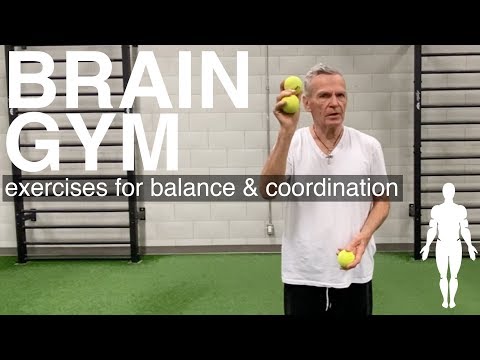
Beginner follow-along videos

Similar plans
How this plan was made
VitalStep’s AI generated this plan from the profile above (age group, gender, health conditions, goals and activity level), using general exercise guidance for those conditions. It was selected by the VitalStep team as a starter plan for this group. It has not been reviewed by a clinician for any individual and is general information, not medical advice.