Does exercise help anxiety?
Yes. A 2023 review in the British Journal of Sports Medicine looked at 97 earlier reviews covering more than 1,000 trials. Physical activity had medium-sized benefits for anxiety, similar to its effect on depression, across many groups of adults, including people with diagnosed mental health conditions and people with long-term illnesses.
A 2021 meta-analysis of trials in adults with anxiety and related disorders found that exercise reduced anxiety symptoms compared with control groups. A 2022 Swedish trial of 286 primary care patients with anxiety found that a 12-week group exercise program, mixing cardio and strength work, improved anxiety more than usual care. Both a low-intensity and a moderate-to-higher-intensity program helped, with somewhat larger gains at higher intensity.
Some benefits come quickly. The CDC notes that a single session of moderate-to-vigorous activity can reduce short-term feelings of anxiety in adults. Longer-term benefits build with regular practice. Exercise is not a cure, but it is a useful tool you can use alongside therapy, medication and other self-care.
Best exercise for anxiety
No single type has been proven best. Pick something you can do regularly and that does not make you feel trapped or under pressure. Good options include:
- Walking: easy to start, easy to stop, and you control the pace. Walking outdoors or in green spaces is a pleasant bonus for many people.
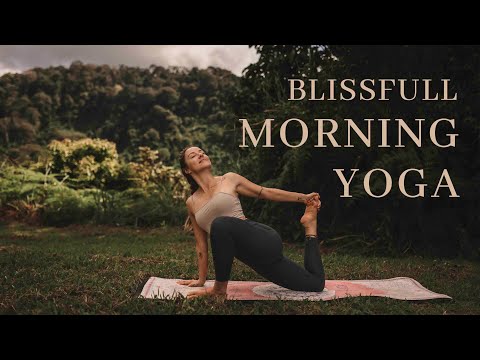
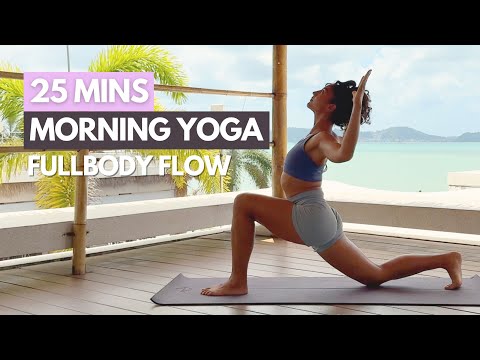
- Yoga: combines gentle movement with slow breathing, which can help you practice staying calm.
- Strength training: body-weight moves, bands or light weights. Short sets with rests in between feel manageable for many people.
- Cycling, swimming or jogging: rhythmic activities that many people find calming once they are used to them.
- Tai chi: slow, flowing movement with a focus on breathing and attention.
- Group classes or walking groups: helpful if you like company, but solo exercise is fine if groups make you anxious.
How much exercise do you need for anxiety?
The long-term goal for most adults, from the US Physical Activity Guidelines and the NHS, is about 150 minutes of moderate activity a week, plus muscle strengthening on 2 or more days. Moderate means you are breathing faster but can still talk. Short bouts of 10 minutes count.
You do not need to start there. Begin with 5 to 10 minutes of easy activity on most days and add a few minutes each week. Consistency matters more than intensity. Research suggests that somewhat harder exercise may give bigger benefits, but build up to it slowly, once you feel comfortable with how your body responds.
Racing heart and panic feelings during exercise: what to do
Exercise naturally raises your heart rate, speeds up your breathing and makes you sweat. These are the same body sensations that come with anxiety and panic, so some people find exercise frightening at first, especially if they have had panic attacks. These feelings during normal exercise are your body doing its job, and they fade as you cool down.
Over time, regular exercise can help you get used to these sensations so they feel less alarming. Some ways to make it easier:
- Start gently, at a pace where you can talk in full sentences, and raise the effort slowly over weeks.
- Warm up for 5 minutes and cool down for 5 minutes so changes in your heart rate feel gradual.
- Remind yourself what is happening: my heart is beating faster because I am moving, and that is safe.
- If the feelings build, slow down rather than stopping suddenly. Breathe out slowly, a little longer than you breathe in.
- Choose places where you feel safe and can stop easily, such as a familiar route or home workouts, before moving to busier settings.
- Limit caffeine before exercise if it makes you feel jittery.
How to start exercising with anxiety
The aim of the first month is to build a habit you trust, not to get fit fast. Pick a regular time of day, keep sessions short, and notice how you feel before and after each one. A few words in a notebook or phone is enough. Many people find that seeing their own record of calmer days after exercise is what keeps them going.
Week 1: walk for 5 to 10 minutes on most days at an easy pace. Add a short yoga or stretching session with slow breathing.
Week 2: keep the walks and add 2 short strength sessions: sit-to-stands from a chair, wall push-ups and band rows, 1 set each.
Weeks 3 to 4: add a few minutes to each walk, or include short stretches of brisker walking. If anxiety spikes, go back to the previous week's level for a while. VitalStep can build a personalized plan that starts small and steps up gradually like this.
Exercise, therapy and anxiety medication
Exercise is a helpful addition to proven treatments such as talking therapy and medication, not a substitute. Keep taking any medicine as prescribed. Do not stop or reduce anxiety medication or antidepressants without talking to your prescriber, because some can cause withdrawal effects if stopped suddenly.
Tell your doctor that you plan to exercise, especially if you have heart, lung or other health conditions, or if you are not sure whether a symptom is anxiety or something physical. If you ever have chest pain or feel faint, stop and get checked, rather than assuming it is anxiety.
If you have thoughts of harming yourself, call or text 988 in the US to reach the Suicide & Crisis Lifeline, or call your local emergency number. Help is available 24 hours a day.
When to stop exercising and get help
Stop right away and contact your doctor, or call emergency services if symptoms are severe, if you notice:
- If you have thoughts of harming yourself, call or text 988 (Suicide & Crisis Lifeline, US) or your local emergency number
- Chest pain, pressure or tightness, or pain spreading to your arm, jaw or back
- Fainting, or feeling faint or very dizzy
- Severe shortness of breath that does not ease when you slow down and rest
- A racing or irregular heartbeat that does not settle within a few minutes of rest
- Sudden sharp pain or an injury
- Panic attacks that are becoming more frequent or are stopping you from daily life
Sample beginner week
An example to show how a balanced week can look. Adjust it to your energy, symptoms and your clinician's advice, or let VitalStep build one around your schedule.
| Day | Activity | Time | Intensity |
|---|---|---|---|
| Monday | Easy walk on a familiar route + 2 min slow breathing | 10-15 min | Light (RPE 2-3/10, can talk easily) |
| Tuesday | Gentle yoga video with slow breathing | 15 min | Light (RPE 2-3/10) |
| Wednesday | Strength: sit-to-stands, wall push-ups, band rows (1-2 sets each, rest between) | 15 min | Moderate (RPE 4-5/10) |
| Thursday | Walk with a few 1-minute brisker stretches | 15-20 min | Light to moderate (RPE 3-5/10) |
| Friday | Strength session + 5 min easy walk to cool down | 20 min | Moderate (RPE 4-5/10) |
| Saturday | Something you enjoy: cycling, swimming, tai chi or a longer walk outdoors | 20-30 min | Light to moderate (RPE 3-4/10) |
| Sunday | Rest day: gentle stretching or relaxation breathing if you like | 0-10 min | Rest or very light |