
Brain Health Exercise Plan for Men 70+
Senior Health & Wellness Program
Morning Workout - Brisk Walking
Walk at a comfortable pace outdoors or indoors, swinging your arms naturally. Try to keep a steady pace that allows you to talk without getting out of breath. Wear comfortable shoes.
Afternoon Workout - Seated Strength Training (Upper Body)
Using light dumbbells (1–2 kg or water bottles), perform 2 sets of 10 repetitions each of bicep curls, overhead press, and front arm raises while seated. Sit tall in a sturdy chair. Rest 30 seconds between sets.
Evening Workout - Gentle Stretching
Stretch major muscle groups — neck, shoulders, arms, back, and legs. Hold each stretch for 15–20 seconds without bouncing. Perform after dinner to help relax before bedtime.
Morning Workout - Balance Training
Stand near a sturdy chair. Practice standing on one leg for 10–15 seconds, then switch legs. Repeat 3 times each side. Try heel-to-toe walking across the room for 2 minutes. Hold the chair if needed for support.
Afternoon Workout - Seated Strength Training (Lower Body)
Sit in a chair. Do 2 sets of 10–15 repetitions each: seated leg extensions, seated marching, and seated calf raises. Rest 30 seconds between sets.
Evening Workout - Deep Breathing and Relaxation
Sit or lie down comfortably. Inhale slowly for 4 seconds, hold for 2 seconds, then exhale for 6 seconds. Repeat for 10 minutes. Helps with relaxation and cognitive health.
Morning Workout - Low-Impact Aerobics
March in place, step side-to-side, and do gentle arm swings. Alternate movements every 2 minutes. Play your favorite music to make it fun.
Afternoon Workout - Cognitive Movement (Dual Task)
Walk slowly around your home while counting backward from 100 by twos, or naming animals with each step. This supports both mind and body.
Evening Workout - Yoga or Tai Chi (Beginner Level)
Try simple poses like mountain pose, seated forward bend, and gentle spinal twists. Follow a video or move slowly with focus on breathing. Use a chair for support if needed.
Morning Workout - Brisk Walking
Walk at a comfortable pace outdoors or indoors, swinging your arms naturally. Try to keep a steady pace that allows you to talk without getting out of breath. Wear comfortable shoes.
Afternoon Workout - Resistance Band Training (Upper Body)
Using a light resistance band, perform 2 sets of 10 repetitions each: seated row, chest press, and shoulder outward press. Rest 30 seconds between sets. Use slow, controlled movements.
Evening Workout - Gentle Stretching
Stretch major muscle groups — neck, shoulders, arms, back, and legs. Hold each stretch for 15–20 seconds without bouncing. Focus on areas that feel tense.
Morning Workout - Seated Aerobics
Sit in a sturdy chair and do alternating knee lifts, arm raises, and gentle twists. Move continuously, changing movement every 3–4 minutes. Good for days when standing is tiring.
Afternoon Workout - Leg Strength & Balance
Stand near a chair. Do 2 sets of 10 repetitions each: standing side leg lifts, mini-squats (hold chair), and toe stands. Hold on to the chair for support as needed.
Evening Workout - Mindful Relaxation
Sit quietly, focus on slow breathing, and try to clear your mind. Listen to calm music if you like. Aids sleep and cognitive recovery.
Morning Workout - Nature Walk
Walk outside if possible, focusing on sights and sounds around you. Pause to take deep breaths. Bring water and a hat if it’s sunny.
Afternoon Workout - Core Strength (Seated)
Sit tall in a chair. Do 2 sets of 10 reps each: seated knee lifts, seated side bends, and gentle seated abdominal contractions (pull your belly in and hold 5 seconds). Rest between sets.
Evening Workout - Gentle Stretching
Stretch major muscle groups — neck, shoulders, arms, back, and legs. Hold each stretch for 15–20 seconds without bouncing. Focus on relaxing your back and hips.
Morning Workout - Free Choice Activity
Pick an activity you enjoy that gets you moving. Examples: slow dancing, light gardening, or gentle swimming. Enjoyment is the focus. Stay hydrated.
Afternoon Workout - Social Walk or Group Exercise
Walk with a friend/family member or join a group class (in-person or online) suited for older adults. Social interaction supports cognitive and emotional health.
Evening Workout - Guided Meditation or Deep Breathing
Listen to a guided meditation or focus on slow, deep breathing in a comfortable position. Helps prepare for restful sleep.
Who this plan is for
This plan was built for men 70+ living with Memory Support / Cognitive Health, starting from a light activity activity level, with these goals: Maintain General Health. If your age, health or fitness is different, use it as a starting point and adjust, or build a free plan for your own profile.
Exercise guides: Exercise for Brain Health & Memory
The week at a glance
21 sessions on 7 days, 330 minutes in total; sessions last 10–25 minutes.
About 165 of these minutes are walking or other cardio, which count toward the WHO guideline of 150 minutes of moderate aerobic activity a week (110% of it, if done at a pace that makes you breathe a little harder). Strength work appears on 5 days; WHO recommends muscle strengthening on 2 or more days a week. Stretching and breathing sessions help mobility and relaxation but are not counted here.
| Day | Sessions | Minutes | Main activities |
|---|---|---|---|
| Monday | 3 | 45 | Walking, Strength, Stretching |
| Tuesday | 3 | 40 | Balance, Strength, Breathing & relaxation |
| Wednesday | 3 | 50 | Low-impact cardio, Walking, Yoga & tai chi |
| Thursday | 3 | 45 | Walking, Strength, Stretching |
| Friday | 3 | 45 | Low-impact cardio, Strength, Breathing & relaxation |
| Saturday | 3 | 50 | Walking, Strength, Stretching |
| Sunday | 3 | 55 | Swimming & water, Walking, Breathing & relaxation |
Minutes by activity: Walking 100 · Strength 75 · Low-impact cardio 40 · Stretching 30 · Breathing & relaxation 30 · Swimming & water 25 · Balance 15 · Yoga & tai chi 15.
Safety notes
- Check with your doctor or physiotherapist before starting, especially with heart disease, uncontrolled blood pressure or blood sugar, recent surgery or new pain.
- Keep to a pace where you can talk. Mild muscle effort is normal; sharp or increasing pain is a sign to stop.
Stop and get help if you notice
- Chest pain, pressure or tightness, or pain spreading to the arm, jaw or back (call emergency services)
- Sudden confusion, trouble speaking, face drooping, or weakness or numbness on one side of the body (call emergency services, these can be signs of stroke)
- Fainting, or feeling very dizzy or lightheaded
- Shortness of breath that is much worse than expected or does not ease with rest
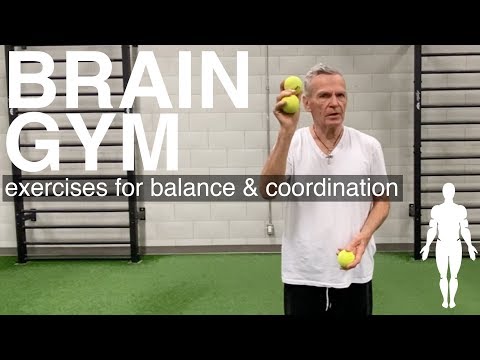
Beginner follow-along videos

Similar plans
How this plan was made
VitalStep’s AI generated this plan from the profile above (age group, gender, health conditions, goals and activity level), using general exercise guidance for those conditions. It was selected by the VitalStep team as a starter plan for this group. It has not been reviewed by a clinician for any individual and is general information, not medical advice.