Does exercise help depression?
Yes. Many studies show that regular exercise can reduce symptoms of depression. A 2024 network meta-analysis in the BMJ pooled 218 randomized trials with more than 14,000 people with depression. Walking or jogging, yoga, strength training, mixed aerobic exercise, and tai chi or qigong all led to meaningful drops in symptoms compared with usual care. The authors suggested that exercise could be considered alongside therapy and antidepressants as a core treatment. They also noted that many of the trials had limits, so confidence in the exact size of the benefit is low.
A 2023 review of 97 earlier reviews in the British Journal of Sports Medicine reached a similar conclusion: physical activity had medium-sized benefits for depression, anxiety and distress across many groups of adults, including people with long-term health conditions.
Regular activity may also help protect you in the future. A 2022 analysis in JAMA Psychiatry found that adults who did about half the recommended amount of activity had an 18% lower risk of depression than inactive adults. Even small amounts seem to count.
Best exercise for depression
There is no single best type. The best exercise for depression is one you can do regularly and, ideally, enjoy a little. Options with good evidence include:
- Walking: free, simple and easy to adjust. A brisk walk outside also gets you daylight and a change of scene.
- Strength training: body-weight moves like sit-to-stands and wall push-ups, or light weights and bands. In the BMJ review it was one of the best tolerated options.
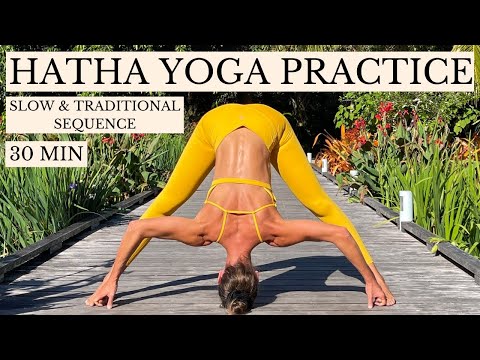
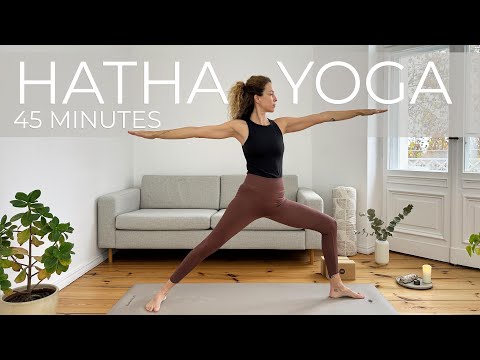
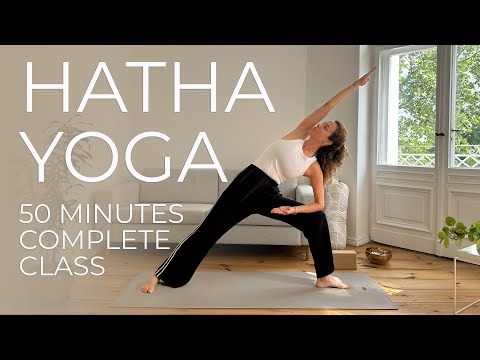
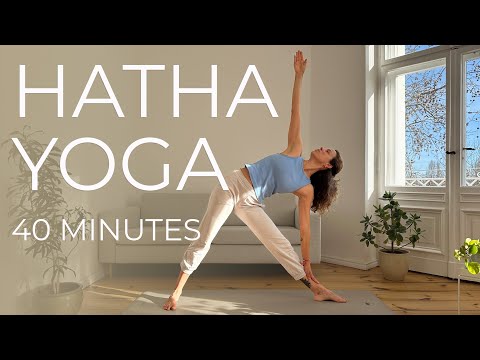
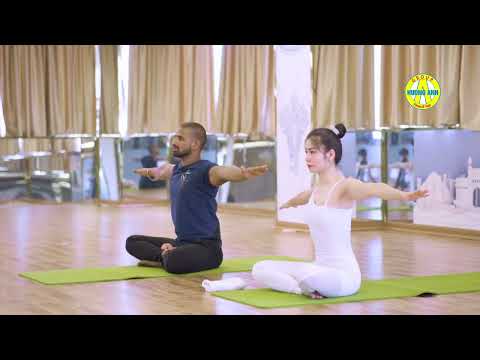
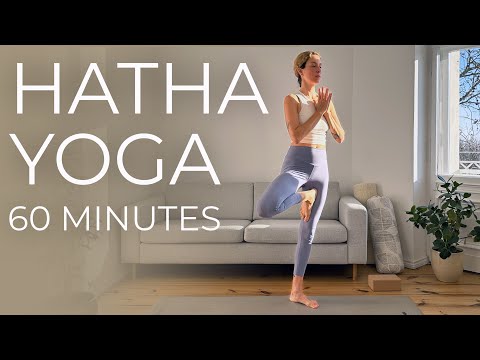
- Yoga: combines movement, breathing and relaxation. It was also well tolerated in the BMJ review.
- Jogging, cycling or swimming: good if you enjoy them. Build up gradually.
- Tai chi or qigong: slow, flowing movement that suits people with pain or low fitness.
- Group classes or walking groups: the social contact and routine can help too.
How much exercise do you need for depression?
The long-term goal for most adults, from the US Physical Activity Guidelines and the NHS, is about 150 minutes of moderate activity a week, plus muscle strengthening on 2 or more days. Moderate means you breathe faster but can still talk. That works out to about 30 minutes on 5 days, and short bouts of 10 minutes add up.
If that feels impossible right now, that is normal. Start with whatever you can manage, even 5 minutes. The research suggests the biggest gains in mental health come from going from nothing to something. The BMJ review found that more vigorous exercise tended to give bigger benefits, but only build up to that when you feel ready. Doing a little often is more useful than one big session you dread.
How to exercise when you are depressed and have no motivation
With depression, waiting until you feel like it often means never starting. Many therapists use an approach called behavioral activation: you act first, and the mood often follows. These tips can help:
- Make it tiny. Commit to 5 minutes or to just putting on your shoes and stepping outside. You can stop after that if you want.
- Plan it in advance. Pick a time and place, such as a walk after breakfast, so you do not have to decide when your energy is low.
- Lower the bar on bad days. A slow walk around the block or a few stretches still counts.
- Ask someone to join you. A friend, family member or group makes it easier to show up.
- Track it simply. Note what you did and how you felt before and after. Seeing the pattern can keep you going.
- Be kind to yourself about missed days. Just restart with a small step the next day.
Exercise, antidepressants and therapy
Exercise works best as part of your care, not instead of it. Keep taking any medication as prescribed, and do not stop or reduce antidepressants without talking to your prescriber, even if you start to feel better. Stopping suddenly can cause unpleasant effects and raise the chance of depression coming back.
Tell your doctor or therapist that you are adding exercise. They can help you fit it into your treatment plan. In the UK, NHS guidance notes that group exercise programs are one option for less severe depression, and your GP can refer you. If you have heart disease, diabetes or another health condition, ask your doctor which activities are safe for you.
A simple 4-week plan to get started
Week 1: walk for 5 to 10 minutes on most days at a comfortable pace. Add one short session of gentle stretching or yoga.
Week 2: keep the walks and add 2 short strength sessions: sit-to-stands from a chair, wall push-ups and band rows, 1 set each.
Week 3: if it feels manageable, add a few minutes to each walk, or walk a little faster for part of it.
Week 4: aim for 15 to 20 minutes on most days, with 2 strength sessions and one yoga or tai chi session. If a week goes badly, repeat the previous week rather than giving up. VitalStep can build a personalized plan that starts small and steps up gradually like this.
When to get help right away
If you have thoughts of harming yourself or ending your life, please reach out now. In the US, call or text 988 to reach the Suicide & Crisis Lifeline, available 24 hours a day. Outside the US, call your local emergency number or crisis line. You do not have to be in immediate danger to call.
Also see your doctor if your low mood lasts more than two weeks, gets worse, or makes it hard to work, sleep or look after yourself. Depression is a real health condition, and effective treatment is available.
When to stop exercising and get help
Stop right away and contact your doctor, or call emergency services if symptoms are severe, if you notice:
- If you have thoughts of harming yourself, call or text 988 (Suicide & Crisis Lifeline, US) or your local emergency number
- Chest pain, pressure or tightness, or pain spreading to your arm, jaw or back
- Feeling faint, dizzy or lightheaded, or fainting
- Severe shortness of breath that does not ease when you slow down
- A racing or irregular heartbeat that does not settle with rest
- Sudden sharp pain, or joint pain that keeps getting worse
- Mood that is getting worse over several weeks despite treatment
Sample beginner week
An example to show how a balanced week can look. Adjust it to your energy, symptoms and your clinician's advice, or let VitalStep build one around your schedule.
| Day | Activity | Time | Intensity |
|---|---|---|---|
| Monday | Easy walk outdoors, ideally in daylight | 10-15 min | Light to moderate (RPE 3-4/10, can talk) |
| Tuesday | Strength: sit-to-stands, wall push-ups, band rows (1-2 sets each) | 15 min | Moderate (RPE 4-5/10) |
| Wednesday | Gentle yoga video or stretching | 15 min | Light (RPE 2-3/10) |
| Thursday | Brisk walk, with a friend if possible | 15-20 min | Moderate (RPE 4-5/10) |
| Friday | Strength session + short easy walk | 20 min | Moderate (RPE 4-5/10) |
| Saturday | Something you enjoy: cycling, swimming, dancing or a longer walk | 20-30 min | Moderate (RPE 4-5/10) |
| Sunday | Rest day: a few minutes of stretching or slow breathing if you like | 0-10 min | Rest or very light |