
Anxiety & Insomnia Exercise Plan for Men 29-39
Stress Reduction and Sleep Improvement Program
Morning Walk
Walking outdoors at a comfortable pace focusing on breath. Best done before breakfast or 1 hour after eating.
Seated Stretching
Neck rolls, shoulder shrugs, seated forward bend, and gentle spinal twist. Can be done at your desk or on a chair.
Guided Body Scan Meditation
Lie on your back and follow a body scan meditation to relax each body part from head to toe.
Gentle Yoga Flow
Cat-cow, downward dog, child’s pose, standing forward fold, and gentle twists. Practice on an empty stomach or light snack only.
Deep Breathing Exercises
Inhale deeply for 4 seconds, hold for 4, exhale for 6, pause for 2. Repeat for 10 cycles.
Progressive Muscle Relaxation
Tense each muscle group for 5 seconds, then release for 10 seconds, working from feet up to face.
Low-Impact Cardio
Stationary bike or elliptical at a comfortable pace. Hydrate well before and after.
Upper Body Stretching
Arm cross stretch, chest opener, triceps stretch, and wrist circles. Good to do after sitting for long periods.
Mindful Journaling
Write about three things you’re grateful for and three positive things from your day. Focus on slow, deep breathing as you write.
Tai Chi or Qigong Basics
Follow a beginner video or perform slow, flowing movements focusing on breath and flow.
Seated Leg Raises and Ankle Circles
Lift one leg straight out, hold, lower, and follow with ankle circles. Can be done at your desk.
Gentle Stretching & Unwinding
Reclined spinal twist, happy baby pose, and gentle neck stretch. Helps release tension before sleep.
Brisk Walking with Nature Focus
Walk at a brisk but comfortable pace, focusing on sounds, smells, and sights around you.
Desk Yoga
Chair cat-cow, seated side stretch, seated figure-4 stretch, and neck rolls. No need for special attire.
Guided Relaxation or Sleep Story
Listen to a guided sleep story or relaxation audio in bed. Focus on the narration and let your mind drift.
Full-Body Mobility Routine
Arm circles, hip circles, standing side bends, gentle squats, and standing toe touches.
Light Recreational Activity
Choose a fun, non-competitive activity outdoors. Focus on enjoyment and movement.
Gentle Yoga for Sleep
Reclined bound angle pose, legs up the wall, gentle spinal twist, and diaphragmatic breathing.
Restorative Yoga & Breathwork
Child’s pose, supported bridge pose, supine butterfly, and guided slow breathing.
Light Nature Walk or Rest
Walk in a quiet natural setting or use this time for quiet rest or reading.
Mindful Reflection & Preparation for Sleep
Reflect on the week, write down any worries, and focus on slow, deep breathing.
Who this plan is for
This plan was built for men 29-39 living with Anxiety Disorders, Insomnia, starting from a moderate activity activity level, with these goals: Stress Reduction / Better Sleep. If your age, health or fitness is different, use it as a starting point and adjust, or build a free plan for your own profile.
Exercise guides: Exercise for Anxiety · Exercise for Insomnia & Sleep
The week at a glance
21 sessions on 7 days, 345 minutes in total; sessions last 10–25 minutes.
About 90 of these minutes are walking or other cardio, which count toward the WHO guideline of 150 minutes of moderate aerobic activity a week (60% of it, if done at a pace that makes you breathe a little harder). Strength work appears on 0 days; WHO recommends muscle strengthening on 2 or more days a week. Stretching and breathing sessions help mobility and relaxation but are not counted here.
| Day | Sessions | Minutes | Main activities |
|---|---|---|---|
| Monday | 3 | 50 | Walking, Stretching, Breathing & relaxation |
| Tuesday | 3 | 45 | Yoga & tai chi, Breathing & relaxation |
| Wednesday | 3 | 45 | Low-impact cardio, Stretching, Breathing & relaxation |
| Thursday | 3 | 45 | Yoga & tai chi, Stretching |
| Friday | 3 | 50 | Walking, Yoga & tai chi, Breathing & relaxation |
| Saturday | 3 | 55 | Stretching, Yoga & tai chi |
| Sunday | 3 | 55 | Yoga & tai chi, Walking, Breathing & relaxation |
Minutes by activity: Breathing & relaxation 85 · Yoga & tai chi 85 · Walking 70 · Stretching 55 · Low-impact cardio 20.
Safety notes
- Check with your doctor or physiotherapist before starting, especially with heart disease, uncontrolled blood pressure or blood sugar, recent surgery or new pain.
- Keep to a pace where you can talk. Mild muscle effort is normal; sharp or increasing pain is a sign to stop.
Stop and get help if you notice
- If you have thoughts of harming yourself, call or text 988 (Suicide & Crisis Lifeline, US) or your local emergency number
- Chest pain, pressure or tightness, or pain spreading to your arm, jaw or back
- Fainting, or feeling faint or very dizzy
- Severe shortness of breath that does not ease when you slow down and rest
- Chest pain, pressure or tightness during or after exercise (call 911 if it does not go away within a few minutes of rest)
- Sudden severe shortness of breath, fainting, or a racing or irregular heartbeat (call 911)
- Signs of stroke, such as face drooping, arm weakness or trouble speaking (call 911 right away)
- Feeling dizzy, very drowsy or unsteady during exercise, especially if you take sleep medicine
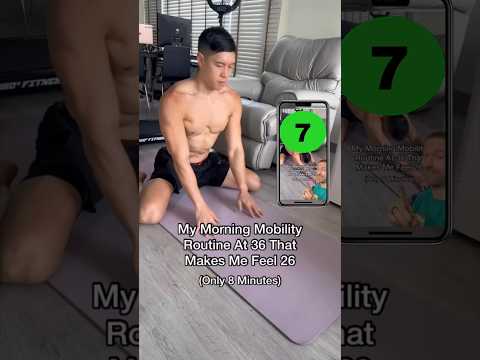
Beginner follow-along videos


Similar plans
- Insomnia Exercise Plan for Men 50-5921 sessions · 355 min a week
- Anxiety Exercise Plan for Women 50-5921 sessions · 350 min a week
- Anxiety & Insomnia Exercise Plan for Women 50-5921 sessions · 350 min a week
- Anxiety Exercise Plan for Men 50-5921 sessions · 355 min a week
- Insomnia Exercise Plan for Women 50-5921 sessions · 330 min a week
- Anxiety & Depression Exercise Plan for Women 50-5926 sessions · 374 min a week
How this plan was made
VitalStep’s AI generated this plan from the profile above (age group, gender, health conditions, goals and activity level), using general exercise guidance for those conditions. It was selected by the VitalStep team as a starter plan for this group. It has not been reviewed by a clinician for any individual and is general information, not medical advice.