

Full Body Seated Workout for Arthritis Relief
10-minute workout video. Low Impact, Stretching. targeting Full Body, Neck, Shoulders, Hips. low intensity. helps with Pain Relief, Flexibility / Range of Motion.
⏱️ Key Moments
Is this workout right for you?
This is an 11-minute seated workout for people who want gentle movement for stiff or sore joints. It is listed for rheumatoid arthritis and osteoarthritis and focuses on pain relief and range of motion. It uses only a chair, is low impact and beginner friendly, and includes rest periods. It covers the full body, with extra attention to the neck, shoulders, and hips. Because the intensity is low, it suits people who are new to exercise or have limited mobility.
Good for
- People with joint stiffness who want a short, low impact routine
- Beginners or people returning to exercise after a break
- Anyone who prefers to stay seated and needs only a sturdy chair
- People looking to add gentle daily movement to their week
Check first
- This workout is listed for rheumatoid arthritis and osteoarthritis, but it does not replace your treatment plan.
- It is marked for caution with chronic back pain or disc herniation, so talk with your doctor first if you have either.
- Make sure your chair is stable, has no wheels, and sits flat on the floor before you begin.
- If a joint is newly swollen, hot, or very painful, rest it and check with your doctor before exercising.
Before you start
- Choose a sturdy chair without wheels or arms that get in your way.
- Wear comfortable clothes and supportive shoes.
- Have water nearby and sit where you can stand up easily if you need to stop.
- Plan to move slowly and stop if you feel sharp pain. Mild muscle stretch is normal.
Make it easier
- Use the rest periods fully and pause as often as you need.
- Make smaller movements and stop short of any pain.
- Keep both feet flat on the floor for extra support.
- Repeat the workout over two shorter sessions on harder days.
When it feels easy
- Sit in the chair with less back support so you engage your posture more.
- Move through the full range you can manage without pain.
- Add a second run through the workout on days you feel well.
- Add light hand weights only if your doctor agrees and you have used them before.
If you have a health condition
Rheumatoid Arthritis
Many people with rheumatoid arthritis find gentle, seated movement easier on their joints. Flares can change what feels comfortable, so skip or reduce the workout during a flare and check with your rheumatologist or doctor about when it is safe to resume.
Read the full rheumatoid arthritis exercise guide →Osteoarthritis
Many people with osteoarthritis find that low impact, range of motion work helps them feel more mobile. Focus on the neck, shoulders, and hips if those are your main concerns. Stop if a joint feels worse after a session, and ask your doctor if you are unsure.
Read the full osteoarthritis exercise guide →Chronic Back Pain / Disc Herniation
This workout is marked for caution with this condition. Check with your doctor or physical therapist before starting, especially if you have pain that spreads into your legs, numbness, or weakness. Stop right away if any movement increases your pain.
Read the full chronic back pain / disc herniation exercise guide →How it fits your week
Health guidelines for adults suggest about 150 minutes of moderate activity each week. This 11-minute routine is short, so it works best as one part of your week. Many people do it on several days and add walking or other activities they enjoy. Because it is low intensity, it can fit on days when you feel tired or sore. Track how you feel the next day and adjust the number of sessions to fit your comfort.
Frequently asked questions about Full Body Seated Workout for Arthritis Relief
Is a seated workout good for arthritis?▼
Many people with arthritis find that gentle, seated movement helps them feel looser and more mobile. A seated workout puts less stress on the knees, hips, and back than standing exercise does. It is not a cure, and results vary from person to person. Talk with your doctor about what is right for your joints and condition.
How often should I do this 11-minute workout?▼
Many beginners start with a few sessions a week and see how their joints respond. You can do it daily if it feels comfortable and does not cause pain that lasts into the next day. Rest on days when your joints are flaring. Pair it with other activity, since adults often aim for about 150 minutes of moderate activity each week.
Can I do this workout if I have back problems?▼
This workout is marked for caution with chronic back pain or disc herniation. Check with your doctor or physical therapist before you begin. If you start, stop any movement that increases your pain or causes new numbness or weakness. Your doctor can tell you whether this routine suits your back.
This guide is general information written by VitalStep from the video's details, not medical advice. Ask your doctor what is right for you.
About the creator
This workout was created by Senior Fitness With Meredith and is played from YouTube, so every view counts for the creator's channel. VitalStep adds condition tags, a written guide and safety notes to help you decide whether it fits your health. If you enjoy it, support the creator on YouTube.
More from Senior Fitness With Meredith on VitalStep
 12:56
Seated Sciatica Stretching Workout for Seniors
 15:15
Stretching Workout in Bed for Seniors and Beginners with Core and Range of Motion Exercises
 13:13
Seated Stretching for Shoulder, Neck and Back Pain Relief
 34:39
Osteoporosis Exercises for Seniors to Build Strength and Cardiovascular Endurance
 22:25
Balance Exercises for Seniors and Beginners to Improve Stability
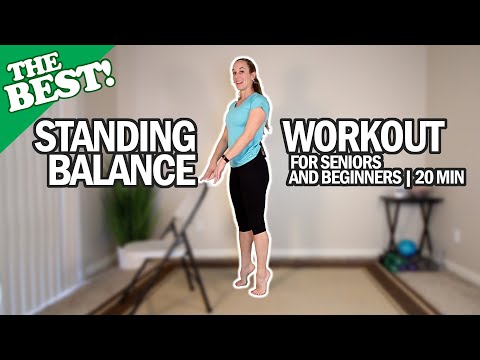 20:03
Standing Balance Workout for Seniors and Beginners for Muscle Strength
Related Workouts
 45:22
Exercise for Chronic Pain Management in Full Body Relief
Dr. Katherine Price, PT, DPT
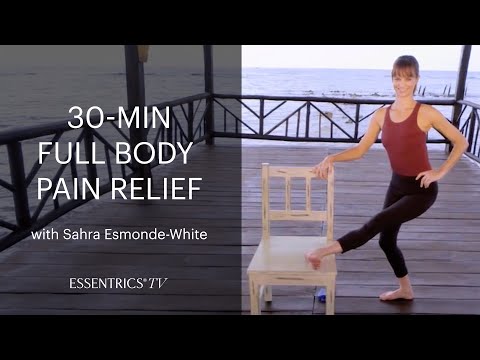 30:35
30-minute Full Body Essentrics Workout for Pain Relief
Classical Stretch by Essentrics
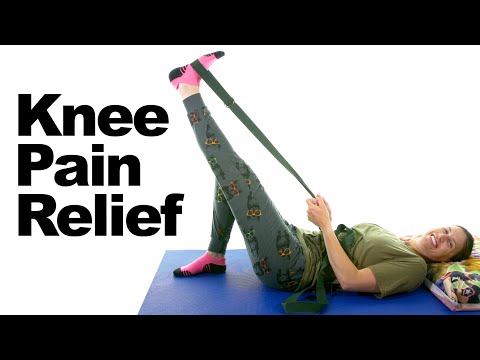 8:24
Knee Pain Relief Stretches and Exercises for Legs and Hips
AskDoctorJo
 2:04
Knee Pain Exercises and Stretches for Pain Relief
Light Physical Therapy of Anchorage
 5:59
Knee Pain Relief Stretches and Exercises for Legs in 5 Minutes
AskDoctorJo
 12:05
Knee Pain Relief with Hot and Cold Therapy for Flexibility and Pain Relief
AskDoctorJo
Suitable Conditions
Therapeutic Goals
⚠️ Caution
Consult your doctor if you have: Chronic Back Pain / Disc Herniation