
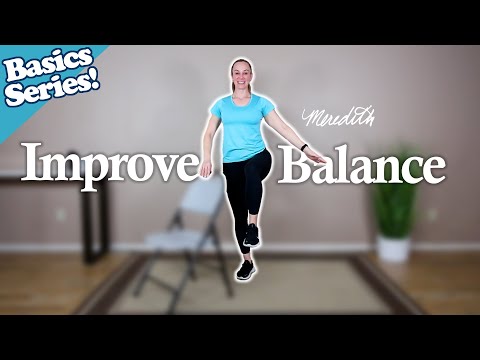
Balance Exercises for Seniors and Beginners to Improve Stability
22-minute workout video. Low Impact, Balance, Strength. targeting Full Body, Legs, Glutes. low intensity. helps with Rehabilitation / Treatment Support, Muscle Strength, Maintain General Health.
⏱️ Key Moments
Is this workout right for you?
This 22-minute beginner video mixes seated and standing balance work with light strength moves for the legs and glutes. It uses a chair for support and includes sit to stands, heel raises, and side leg raises. The workout is low impact and low intensity, with rest periods and modifications. It suits people with limited mobility or those just starting to be active.
Good for
- Adults who are new to exercise and want a gentle start on balance and leg strength.
- People with limited mobility who want to train while seated or holding a chair for support.
- Anyone who wants low impact strength work that focuses on the legs, hips, and glutes.
- People who want a 22-minute session that fits into a busy day and can be repeated during the week.
Check first
- The video is listed for several conditions, but a listing is not medical approval. Ask your doctor before you start.
- The video is listed as not suitable for osteoporosis, so skip it unless your doctor says it is fine for you.
- If you have chronic back pain or a disc herniation, the video is marked for caution. Talk with your care team first.
- Check that you have a sturdy chair without wheels before you start.
Before you start
- Clear a space around your chair so you can move without bumping into furniture.
- Have water nearby and plan to take breaks, since the video includes rest periods.
- If you take blood pressure or blood sugar medicine, ask your doctor how exercise might affect your dosing.
- Wear supportive shoes and comfortable clothes. Keep a wall or counter nearby for extra support.
Make it easier
- Hold the back of the chair or a counter with one hand during standing moves.
- Use the chair modifications the video offers, and skip any standing move that feels unsteady.
- Pause and sit down whenever you feel tired, dizzy, or short of breath.
- Do fewer repeats of each move and add more only after several sessions feel comfortable.
When it feels easy
- Once standing feels steady, hold the chair with only one or two fingers instead of your full hand.
- Repeat the session on more days of the week to add more total activity over time.
- Add a short walk after the session if your doctor agrees.
- Slow down each move so you control the lowering and raising phases fully.
If you have a health condition
Osteoporosis
The video lists osteoporosis as not suitable, even though it is also listed for it. Because of this conflict, do not start this video without your doctor's approval. Ask whether seated balance and leg work fit your bone health and fall risk, and which standing moves you should avoid.
Read the full osteoporosis exercise guide →Chronic Back Pain / Disc Herniation
The video is marked for caution with this condition. It is designed to avoid spinal load and core compression, but that does not make it right for every back. Many people with back pain can do gentle seated work, but check with your doctor or physical therapist first, and stop if pain increases.
Read the full chronic back pain / disc herniation exercise guide →Diabetes
The video is listed for diabetes. Light leg work and balance practice may fit into a wider plan, but it does not replace your care plan. If you use insulin or medicines that lower blood sugar, check your glucose before and after exercise and ask your doctor what to watch for.
Read the full diabetes exercise guide →How it fits your week
At 22 minutes, this video is short, so it works best as one part of your week. Adults are generally encouraged to aim for 150 minutes of moderate activity a week. You could use this video on several days and add walking or other activity to build toward that total, if your doctor agrees. Because it is low intensity, it is best viewed as a gentle base rather than your only source of activity.
Frequently asked questions about Balance Exercises for Seniors and Beginners to Improve Stability
Is this balance video good for complete beginners?▼
Yes, it is labeled beginner and low intensity, so it suits people who are new to exercise. Use the chair for support, go at your own pace, and rest when you need to. Check with your doctor first if you have health conditions, especially the ones noted in this guide.
Can I do this video sitting down?▼
The video includes seated and standing balance exercises and offers chair modifications, so you can use a chair for support. Hold on to the chair or a counter for steadiness. Standing moves should only be done when you feel stable and your doctor agrees they fit your health.
Is this workout appropriate if I have osteoporosis?▼
The video's listing says it is not suitable for osteoporosis, so do not start it without asking your doctor first. Your doctor can tell you which movements, if any, fit your bones and fall risk. Many people with this condition work with a qualified professional on balance training.
This guide is general information written by VitalStep from the video's details, not medical advice. Ask your doctor what is right for you.
About the creator
This workout was created by Senior Fitness With Meredith and is played from YouTube, so every view counts for the creator's channel. VitalStep adds condition tags, a written guide and safety notes to help you decide whether it fits your health. If you enjoy it, support the creator on YouTube.
More from Senior Fitness With Meredith on VitalStep
 12:56
Seated Sciatica Stretching Workout for Seniors
 10:49
Full Body Seated Workout for Arthritis Relief
 15:15
Stretching Workout in Bed for Seniors and Beginners with Core and Range of Motion Exercises
 13:13
Seated Stretching for Shoulder, Neck and Back Pain Relief
 34:39
Osteoporosis Exercises for Seniors to Build Strength and Cardiovascular Endurance
 20:03
Standing Balance Workout for Seniors and Beginners for Muscle Strength
Related Workouts
 3:21
Balance and Coordination Exercises for Full Body Stability
AskDoctorJo
 8:42
Improve Your Balance and Prevent Falls with Standing Exercises
Curtis Adams
 7:25
Fall Prevention Exercises for Balance and Strength - 7 Minutes
AskDoctorJo
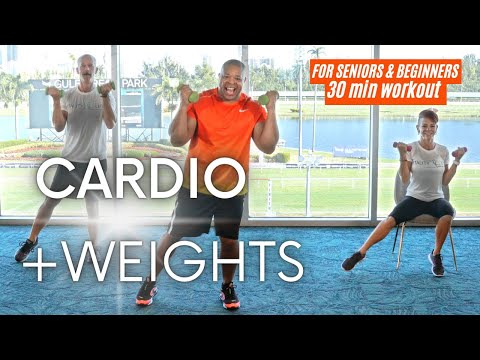 31:54
Seniors & Beginners Cardio & Strength Workout for Weight Control
Curtis Adams
 20:46
20-minute Full Body Strength Training and Cardio for Seniors
Curtis Adams
 10:31
10-minute Low Impact Full Body Workout for Seniors
Workout Guru
Suitable Conditions
Therapeutic Goals
⚠️ Caution
Consult your doctor if you have: Chronic Back Pain / Disc Herniation
🚫 Contraindications
Avoid this workout if you have: Osteoporosis