
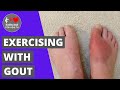
Low Impact Cardio for Gout Relief and Joint Mobility
4-minute workout video. Cardio, Low Impact. targeting Legs, Full Body. low intensity. helps with Pain Relief, Flexibility / Range of Motion.
⏱️ Key Moments
Is this workout right for you?
This is a 5-minute beginner cardio workout that needs no equipment. It is low impact and low intensity, and it focuses on the legs and the whole body. The channel lists it for gout, with goals of pain relief and better flexibility and range of motion. The video summary says it covers low to moderate activities such as walking, swimming, and cycling, and it advises avoiding high-impact movement during flare-ups. The workout includes rest periods.
Good for
- Adults with gout who want a short, gentle cardio session
- People new to exercise who want an easy starting point
- Anyone looking to ease stiffness and improve range of motion in the legs
- Days when you have only a few minutes but still want to move
Check first
- Ask your doctor whether cardio is a good choice for your gout and current joint health.
- Check whether you are in a flare-up. The video summary advises avoiding high-impact movement during flare-ups, so wait until the joint has calmed down.
- Confirm that you can stand, walk, or move your legs safely without equipment or support.
- Talk with your care team if you take medicine that affects blood pressure, blood sugar, or dizziness.
Before you start
- Wear supportive shoes and clear a space where you can move without tripping.
- Have water nearby and sit down if you feel lightheaded.
- Choose a time when your joints feel their best, not right after a long day on your feet.
- Stop if you feel sharp pain, new swelling, or heat in a joint, and rest for the day.
Make it easier
- Use the rest periods fully and take extra breaks when you need them.
- Keep your pace slow and comfortable so you can talk while you move.
- Hold onto a sturdy chair or wall for balance if you need it.
- Repeat the session only if you feel fine afterward, and skip it during a flare-up.
When it feels easy
- Once the session feels easy, add a few minutes of gentle movement afterward if your joints feel steady.
- Move a little more briskly, as long as you can still keep a comfortable breathing pace.
- Add a second short session later in the day on days when your joints feel good.
If you have a health condition
Gout
This video is listed for gout and focuses on low impact movement, which is often gentler on sore joints. The video summary says high-impact movement is best avoided during flare-ups. If you have a flare, rest the joint and wait until the pain and swelling settle before you try this workout. Many people with gout find that regular gentle activity helps them feel more mobile, but everyone responds differently. Ask your doctor what activity level suits you.
Read the full gout exercise guide →How it fits your week
Current guidelines for adults call for at least 150 minutes of moderate activity a week. This 5-minute video is short, so it works best as one part of a bigger plan. You could repeat it several times a day on good days, or pair it with a longer walk or swim. Start with a few days a week and build up slowly. On flare days, rest instead and pick up again once your joints feel calmer.
Frequently asked questions about Low Impact Cardio for Gout Relief and Joint Mobility
Is this workout good for gout?▼
This workout is listed for gout and is low impact, which means it avoids jarring the joints. The video summary says low to moderate activity is a good fit for managing gout, while high-impact movement is best avoided during flare-ups. Many people with gout can join gentle movement safely, but check with your doctor first, especially if you have a current flare or other health conditions.
Can I do this workout during a gout flare?▼
It is best not to do this workout during a flare. The video summary advises avoiding high-impact movement during flare-ups, and a swollen or painful joint may not tolerate even gentle movement. Rest the joint, use ice or elevation as your doctor has advised, and wait until the pain and swelling settle. Then ask your doctor when it is safe to restart gentle activity.
Do I need any equipment for this workout?▼
No equipment is needed for this workout. The video is listed as requiring no equipment, so you can do it at home with only a clear space and supportive shoes. If you need balance help, hold onto a sturdy chair or wall. Keep water nearby and take the rest periods the video includes whenever you need them.
This guide is general information written by VitalStep from the video's details, not medical advice. Ask your doctor what is right for you.
About the creator
This workout was created by Exercise For Health and is played from YouTube, so every view counts for the creator's channel. VitalStep adds condition tags, a written guide and safety notes to help you decide whether it fits your health. If you enjoy it, support the creator on YouTube.
More from Exercise For Health on VitalStep
 38:54
Home Exercise Programme to Lower Your Blood Pressure
 29:32
Cardio and Isometric Workout for Blood Pressure Control
 37:04
Mini Cardiac Rehab Home Exercise for Cardiovascular Endurance
 62:35
Cardiac Rehab Home Exercise for Full Body Strength and Cardiovascular Endurance
 5:59
Heart Failure Exercise Tips for Safe Activity
 41:48
Safe Cardio Workout for Heart Health and Blood Pressure Control
Related Workouts
 1:45
Weekly Gout Management Workout for Full Body Relief
Fred Duncan
 4:34
Effective Uric Acid Reduction Yoga for Joint Pain Relief
The Yoga Institute
 5:34
Gout Relief Exercises for Foot & Toe Pain in 5 Minutes
Mike Jones
 3:43
Gout Training for Pain Relief and Flexibility in 3 Minutes
The Running Analyst
 4:23
Natural Remedies for Gout Relief
Dr. Josh Axe
 2:20
2-minute Gout Relief for Big Toe Joint Pain
Michigan Foot Doctors