
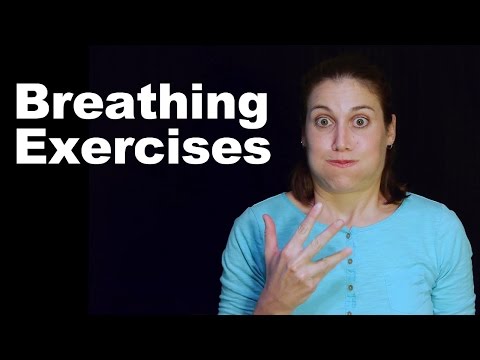
Breathing Exercises for Copd and Relaxation
4-minute workout video. Breathing, Low Impact. targeting Chest, Core. low intensity. helps with Stress Reduction / Better Sleep, Rehabilitation / Treatment Support.
⏱️ Key Moments
Is this workout right for you?
This is a 4-minute beginner breathing session for chest and core. It needs no equipment and is rated low intensity and low impact. The video is listed for COPD and focuses on breathing techniques meant to support lung function and help you relax. It works best as a calm add-on to your routine, not a replacement for your care plan. Sit or stand in a comfortable spot and go at your own pace.
Good for
- Adults with COPD who want a short, gentle breathing practice at home
- People who feel stressed or want a calmer way to wind down before bed
- Anyone new to exercise who wants a low-effort start
- People with limited mobility who need a workout that does not involve moving much
- Those looking for a simple rehabilitation-style breathing routine they can repeat daily
Check first
- Ask your doctor or respiratory therapist if breathing exercises fit your current lung condition and plan.
- This video is listed for COPD, but it is also marked as a caution for asthma. If you have asthma, talk with your doctor before starting.
- Stop if you feel dizzy, chest tightness, or breathless beyond what you normally feel.
- Keep your rescue inhaler nearby if you use one, and follow your action plan.
- Skip it on days you feel very unwell and contact your care team instead.
Before you start
- Choose a quiet spot where you can sit or stand without strain.
- Wear loose clothing that does not press on your chest or waist.
- Have water nearby and a chair you can sit in if you need to rest.
- Take your usual medicines as prescribed before you begin.
- Plan to do it at a time of day when you are not rushed.
Make it easier
- Sit in a supported chair with your feet flat on the floor.
- Pause and rest whenever you need to during the four minutes.
- Repeat the session only once that day if one round is enough for you.
- Lower the volume of the video or use a quiet room so you can focus on your breath.
- Stop the video early and try again tomorrow if you feel tired.
When it feels easy
- Once you are comfortable, try the session at the same pace twice in one day, with a rest between rounds.
- Add a short walk or light stretching after the breathing practice if your doctor agrees.
- Practice the session at a set time daily to build a steady habit.
- Use it as a wind-down routine in the evening to add a relaxation focus.
- Track how you feel before and after each session to notice changes over time.
If you have a health condition
COPD (Chronic Lung Disease)
This video is listed for COPD and focuses on breathing and relaxation. Many people with COPD find gentle breathing practice helpful as part of their care. It does not replace your treatment plan. Ask your doctor or pulmonary rehab team which breathing methods suit you, and stop if your breathing worsens.
Read the full copd (chronic lung disease) exercise guide →Asthma
Asthma is listed as a caution for this video. Breathing exercises can affect airways, so talk with your doctor before starting. Keep your rescue inhaler close by, and stop right away if you wheeze, feel tight in the chest, or have trouble catching your breath.
Read the full asthma exercise guide →How it fits your week
This video is short, so it fits easily into most weeks. Adults are generally encouraged to aim for 150 minutes of moderate activity a week. A 4-minute breathing session is low intensity and will not count much toward that target on its own. Use it alongside other activity you can do safely, such as walking or light movement your doctor approves. You can do it daily as a calming habit.
Frequently asked questions about Breathing Exercises for Copd and Relaxation
Can breathing exercises help with COPD?▼
Many people with COPD find that gentle breathing practice helps them feel more in control of their breath. It may also help them relax. This video is listed for COPD, but it does not replace your medicines or care plan. Ask your doctor or respiratory therapist which breathing techniques are right for you before you start.
Is this video safe if I have asthma?▼
This video is marked as a caution for asthma, so talk with your doctor before you begin. Breathing exercises can trigger symptoms in some people with asthma. Keep your rescue inhaler nearby, and stop if you feel tight in the chest, wheeze, or struggle to breathe.
How often should I do breathing exercises for relaxation?▼
Many people practice a short breathing session once or twice a day, especially before bed or during stressful moments. Because this video is only four minutes, you can repeat it if it feels comfortable. Start slowly, and skip sessions on days you feel unwell. Check with your doctor about what schedule fits your health.
This guide is general information written by VitalStep from the video's details, not medical advice. Ask your doctor what is right for you.
About the creator
This workout was created by AskDoctorJo and is played from YouTube, so every view counts for the creator's channel. VitalStep adds condition tags, a written guide and safety notes to help you decide whether it fits your health. If you enjoy it, support the creator on YouTube.
More from AskDoctorJo on VitalStep
 37:51
Full Body Stretching Routine for Flexibility and Pain Relief
 5:26
5-minute Osteoporosis Exercises for Muscle Strength and Bone Health
 6:05
Osteoporosis Exercises to Protect Your Spine and Build Strength
 7:23
Osteoporosis Exercises to Maintain Strong Bones in Seated Position
 12:22
Seated Stretches for Fibromyalgia & Chronic Pain Relief - 12 Minutes
 11:27
Gentle Standing Stretches for Chronic Pain and Fibromyalgia Relief
Related Workouts
 8:00
8-minute Shaolin Qi Gong Breathing Exercises for Lung Strengthening
KUNGFU.LIFE
 11:16
11-minute Tai Chi for Lung Health and Cold Relief
Taichi Workout
 7:32
Breathing Exercise for Acid Reflux
Liebscher & Bracht – The Pain Specialists
 3:58
Adaptive Exercises for Full Body Strength and Flexibility
Kevin Beckett
 2:35
Active Cycle of Breathing Technique for Asthma Relief
NHS University Hospitals Plymouth Physiotherapy
 1:57
Proper Breathing While Running for Cardiovascular Endurance
Road Runner Sports
Suitable Conditions
Therapeutic Goals
⚠️ Caution
Consult your doctor if you have: Asthma