
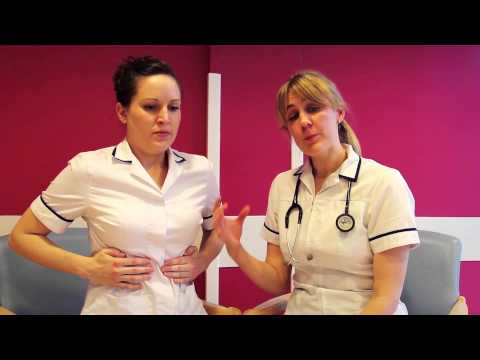
Active Cycle of Breathing Technique for Asthma Relief
2-minute workout video. Breathing, Low Impact, Cool Down. targeting Full Body. low intensity. helps with Rehabilitation / Treatment Support.
⏱️ Key Moments
Is this workout right for you?
This is a short, low impact breathing video, about 3 minutes long. It uses no equipment and is aimed at people with asthma who want support from a breathing technique. The guide describes the video as a breathing and cool down session that works the whole body at a low intensity. It is listed as beginner level and is designed for people with limited mobility or light activity levels. The video is from a hospital physiotherapy team and is intended as rehabilitation and treatment support, not as a replacement for your asthma plan.
Good for
- People with asthma who want to learn a structured breathing technique
- Beginners who are new to breathing exercises or gentle movement
- People with limited mobility who need a seated or low effort option
- Anyone looking for a short session to add to a cool down routine
Check first
- This video is a breathing technique, not a full workout, so it will not raise your heart rate much.
- It is aimed at asthma, and the listed goal is rehabilitation and treatment support.
- It is listed as low intensity and low impact, which suits many people who cannot tolerate jarring movement.
- It is only about 3 minutes, so plan to repeat it or pair it with other activity if you need more time.
Before you start
- Talk with your doctor, nurse, or physiotherapist before you begin, especially if you have a lung condition or new symptoms.
- Keep your rescue inhaler close by and use your usual asthma action plan if your breathing worsens.
- Stop if you feel dizzy, chest pain, or breathlessness that does not settle.
- Wear comfortable clothing and sit or stand where you have room to breathe easily.
Make it easier
- Watch the video once through before you try the breathing steps yourself.
- Rest between repeats and take normal breaths whenever you need them.
- Sit in a supportive chair if standing feels tiring or unsteady.
When it feels easy
- Repeat the session a few times in a day, as long as you feel well between sessions.
- Pair it with a short walk or gentle activity afterward, if your doctor says that is safe for you.
- Practice the technique during your usual daily routine to build a habit.
If you have a health condition
Asthma
This video is listed for asthma. Many people with asthma find breathing techniques helpful as part of their care plan. It does not replace your prescribed medicines or your asthma action plan. Ask your care team how and when to use it.
Read the full asthma exercise guide →COPD (Chronic Lung Disease)
This video is listed with a caution for COPD. Breathing techniques are often part of COPD care, but your breathing needs may differ. Check with your doctor or physiotherapist before you start, and ask whether this version suits you. Stop and seek medical advice if your breathlessness increases or you feel unwell.
Read the full copd (chronic lung disease) exercise guide →How it fits your week
The national guideline for adults is 150 minutes of moderate activity a week. This 3 minute breathing video will not meet that target on its own, because it is mainly a breathing technique and is low intensity. You might use it as a short daily session alongside walking, gentle strength work, or other activities your care team recommends. Track how you feel over the week, and adjust with your doctor's guidance.
Frequently asked questions about Active Cycle of Breathing Technique for Asthma Relief
Is this breathing video good for asthma?▼
This video is listed for asthma and focuses on a breathing technique used in rehabilitation and treatment support. Many people with asthma find structured breathing helpful as part of their care. It is not a cure and does not replace your prescribed medicines. Talk with your care team before using it, especially if your symptoms are unstable.
Do I need any equipment for this video?▼
No equipment is needed for this video. You can do it sitting or standing in a comfortable spot at home. Choose a place where you can breathe easily and sit down if you feel tired. Keep your rescue inhaler nearby in case you need it.
Is this video safe if I have COPD?▼
This video carries a caution for COPD, so check with your doctor or physiotherapist before you start. Your breathing needs may be different from those of people with asthma. Ask whether this technique suits your condition and how often to practice. Stop if your breathlessness gets worse or you feel unwell.
This guide is general information written by VitalStep from the video's details, not medical advice. Ask your doctor what is right for you.
About the creator
This workout was created by NHS University Hospitals Plymouth Physiotherapy and is played from YouTube, so every view counts for the creator's channel. VitalStep adds condition tags, a written guide and safety notes to help you decide whether it fits your health. If you enjoy it, support the creator on YouTube.
Related Workouts
 4:14
Asthma-friendly Cardio Workout for Lung Health
Aspetar سبيتار
 8:55
Breathing Exercises for Copd and Asthma for Improved Lung Capacity
AskDoctorJo
 8:00
8-minute Shaolin Qi Gong Breathing Exercises for Lung Strengthening
KUNGFU.LIFE
 3:00
Asthma-friendly Exercises for Improved Lung Health
R.M.G-Healthy& sport
 11:16
11-minute Tai Chi for Lung Health and Cold Relief
Taichi Workout
 0:20
Full Body Stretching for Flexibility and Stress Reduction
Nathaniel Massiah
Suitable Conditions
Therapeutic Goals
⚠️ Caution
Consult your doctor if you have: COPD (Chronic Lung Disease)