
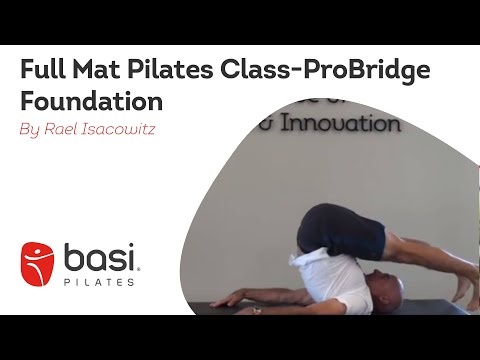
Full Body Pilates for Flexibility and Stress Reduction
68-minute workout video. Pilates, Stretching, Low Impact. targeting Full Body, Core, Abs, Back, Hips. low intensity. helps with Flexibility / Range of Motion, Stress Reduction / Better Sleep, Muscle Strength.
⏱️ Key Moments
Is this workout right for you?
This is a 68-minute beginner Pilates session on a yoga mat. It focuses on flexibility, core work, and controlled movement, with attention to alignment and breathing. The intensity is listed as low, and it works the full body with extra focus on the core, back, and hips. No equipment is needed beyond a mat. It is low impact and includes rest periods.
Good for
- People who are new to Pilates or exercise and want a gentle, mat-based session
- Anyone who wants to build flexibility and move through a wider range of motion
- People looking for a longer, calming workout to help manage stress
- Those who want to work the core and hips without jumping or fast movement
Check first
- Ask your doctor whether a long floor session is right for you, especially if you have been inactive for a while
- Plan to get up and down from the floor safely, and keep a chair or wall nearby for support
- Stop if you feel sharp pain, dizziness, or chest discomfort, and seek medical care if symptoms do not settle
- Know that the video is 68 minutes, so you may want to split it into shorter sessions
Before you start
- Clear a space on the floor that is wide enough to lie down fully with your arms out
- Use a yoga mat or a folded towel for cushioning on hard floors
- Wear comfortable clothes that let you bend and stretch without tightness
- Have water nearby and take breaks whenever you need them
Make it easier
- Pause the video during longer holds and rest before continuing
- Break the 68 minutes into two or three shorter sessions across the day
- Place a pillow under your head or knees if lying flat feels uncomfortable
- Move slowly and only as far as feels comfortable in your body today
When it feels easy
- Once the session feels steady, try doing it on most days of the week instead of adding more intensity
- Add a short walk on non-session days to build your weekly total
- Repeat the session after you have practiced it several times and feel ready for more
If you have a health condition
Chronic Back Pain / Disc Herniation
Many people with back pain find gentle, controlled floor work helpful, but disc problems vary a lot. Check with your doctor or physical therapist before starting, and stop if you feel numbness, tingling, or pain that spreads down a leg.
Read the full chronic back pain / disc herniation exercise guide →Neck & Shoulder Pain
This session includes some full-body and upper-body focus, so take it slowly. Ease off any movement that increases neck or shoulder pain, and ask a clinician which positions suit you.
Read the full neck & shoulder pain exercise guide →Obesity
Low-intensity Pilates can be a practical way to start moving more. Many people in this group begin with short sessions and build up slowly. Talk with your doctor about your activity plan, especially if you have joint pain.
Read the full obesity exercise guide →Hypertension
Gentle, low-intensity movement is often a reasonable starting point for people with high blood pressure. Check with your doctor before starting, and avoid straining or holding your breath during effort.
Read the full hypertension exercise guide →Anxiety Disorders
The session is designed with breathing and controlled movement in mind, which some people find calming. It is not a replacement for mental health care. Talk with your care team if anxiety feels hard to manage.
Read the full anxiety disorders exercise guide →Osteoporosis
This video is listed with a caution for osteoporosis. Ask your doctor whether floor work, twisting, and bending are appropriate for your bones before you begin.
Read the full osteoporosis exercise guide →Rheumatoid Arthritis
This video is listed with a caution for rheumatoid arthritis. Flare days can change what your body can handle, so skip the session or shorten it when joints feel painful or swollen.
Read the full rheumatoid arthritis exercise guide →How it fits your week
This session runs 68 minutes at low intensity, so it can count toward your weekly activity total, but it may not reach the 150 minutes of moderate activity a week most adults aim for on its own. Many people use it on two or three days and add walking or other activity on the other days. Start with one session a week and increase only if you feel well afterward.
Frequently asked questions about Full Body Pilates for Flexibility and Stress Reduction
Is Pilates good for beginners with chronic conditions?▼
Many beginners find gentle Pilates a useful way to start moving. This video is labeled beginner and low intensity, which can make it a reasonable starting point for some people. Check with your doctor first, especially if you have a condition listed with a caution, and stop if anything feels wrong.
Can I do this Pilates workout without equipment?▼
Yes, this video only lists a yoga mat as equipment. A mat or folded towel makes floor work more comfortable. You do not need weights, bands, or machines for this session.
How often should I do a 68-minute workout?▼
Many people start with one or two sessions a week and add more as they feel ready. Because the session is long, you can also split it into shorter parts. Rest days and gentle walking between sessions can help you recover.
This guide is general information written by VitalStep from the video's details, not medical advice. Ask your doctor what is right for you.
About the creator
This workout was created by BASI Pilates and is played from YouTube, so every view counts for the creator's channel. VitalStep adds condition tags, a written guide and safety notes to help you decide whether it fits your health. If you enjoy it, support the creator on YouTube.
Related Workouts
 22:32
Gentle Full Body Workout for Seniors in 20 Minutes
Taichi Workout
 22:18
Full Body Seated Stretch and Range of Motion Workout for Flexibility and Stress Reduction
Senior Fitness With Meredith
 3:21
Balance and Coordination Exercises for Full Body Stability
AskDoctorJo
 21:57
20-minute Recovery Cycle Workout for Legs and Cardiovascular Endurance
Time 2 Train Cycling
 11:07
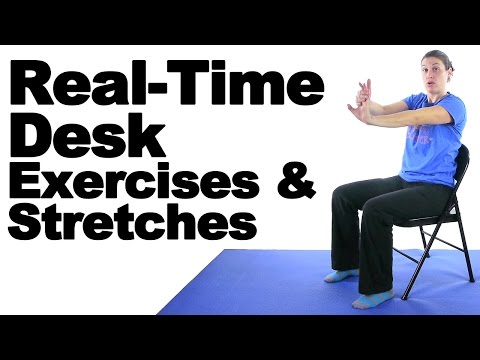
Desk Exercises and Stretches for Flexibility and Stress Reduction
AskDoctorJo
 31:16
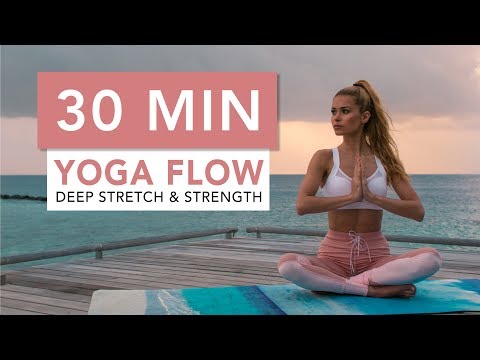
Yoga Flow for Deep Stretching and Strength
Pamela Reif
Suitable Conditions
Therapeutic Goals
⚠️ Caution
Consult your doctor if you have: Osteoporosis, Rheumatoid Arthritis
🚫 Contraindications
Avoid this workout if you have: Cirrhosis (Stable), Kidney Disease