
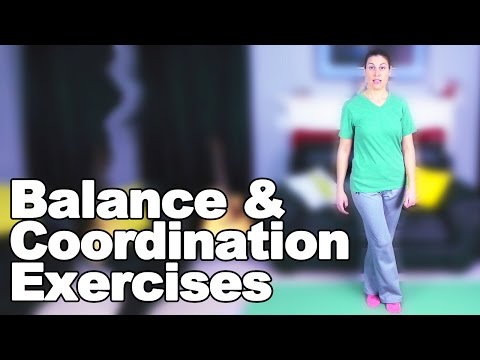
Balance and Coordination Exercises for Full Body Stability
3-minute workout video. Low Impact, Balance, Floor Exercise. targeting Full Body, Legs, Core. low intensity. helps with Pain Relief, Stress Reduction / Better Sleep, Muscle Strength, Flexibility / Range of Motion, Maintain General Health.
⏱️ Key Moments
Is this workout right for you?
This short 3-minute beginner video focuses on balance and coordination for the whole body, with some attention to the legs and core. It is low impact and needs no equipment. The workout includes dynamic balance exercises such as tandem gait, grapevine movements, and walking on toes and heels. A chair option is included, and it is listed as a floor exercise video. Intensity is low, so it may suit people with limited mobility or those who are new to exercise.
Good for
- People who want a brief, low impact session that works on balance and steadiness
- Adults who are new to exercise and want a gentle starting point
- People who have limited mobility and want a seated or chair option
- Anyone adding light movement to a day when a longer workout feels like too much
Check first
- Check with your doctor before starting if you have balance problems, dizziness, or have fallen recently.
- Ask your doctor or physical therapist which movements are safe for your back, spine, or bones before you follow this video.
- Stop right away if you feel sharp pain, chest discomfort, lightheadedness, or unusual shortness of breath.
Before you start
- Clear a space with no rugs, cords, or furniture you could trip over.
- Keep a sturdy chair or wall nearby so you can hold on if you lose your balance.
- Wear supportive shoes with good grip, or go barefoot on a non slip surface if that feels steady for you.
Make it easier
- Use the chair option if standing feels unsteady, and keep one hand on a firm support.
- Shorten the time you spend on each movement and rest between rounds as needed.
- Practice near a wall or counter so you can reach out quickly for support.
When it feels easy
- Once the movements feel steady, try them with less support from your hands or a chair.
- Repeat the video a second time on a later day rather than adding extra intensity right away.
- Add a short walk after the video to keep your body moving at a light pace.
If you have a health condition
Osteoporosis
Because this video involves balance work and changes in direction, a fall is the main concern. Many people with osteoporosis can do light balance work with a chair or wall nearby. Check with your doctor first, especially about turning, walking on toes, and any floor movements.
Read the full osteoporosis exercise guide →Chronic Back Pain / Disc Herniation
Floor work and walking patterns can change the load on your back. Some people with back pain find gentle balance work comfortable, while others feel increased pain. Ask your doctor or physical therapist whether this video fits your condition. Stop if your pain increases or spreads into your legs.
Read the full chronic back pain / disc herniation exercise guide →How it fits your week
This video is short, so it can be a helpful add on to a weekly plan. The general adult target is 150 minutes of moderate activity a week. A 3-minute balance session will not meet that target on its own, but it can support steadiness and coordination alongside walking or other activity. Many people find it easiest to repeat this video on several days a week, or pair it with a longer activity you enjoy. Start with one session and build up slowly as you feel comfortable.
Frequently asked questions about Balance and Coordination Exercises for Full Body Stability
Is this balance workout good for beginners?▼
Yes, this video is labeled beginner with low intensity, so it is designed for people who are new to exercise. It uses no equipment and includes a chair option. Start slowly, use support as needed, and stop if you feel dizzy or unsteady. Ask your doctor first if you have balance problems or a condition that affects movement.
Can I do this workout sitting in a chair?▼
The video includes a chair modification, so you can adapt many of the movements if standing feels unsafe. Choose a sturdy chair without wheels, and place it near a wall or counter. Keep your movements slow and controlled. If you are unsure which parts are right for you, ask your doctor or a physical therapist before you start.
How often should I do balance exercises?▼
Many adults do balance work several times a week, especially when it is part of a broader plan. Since this video runs about 3 minutes, you can repeat it on several days. Pair it with walking or other activity to work toward the general target of 150 minutes of moderate activity a week. Check with your doctor about your own schedule.
This guide is general information written by VitalStep from the video's details, not medical advice. Ask your doctor what is right for you.
About the creator
This workout was created by AskDoctorJo and is played from YouTube, so every view counts for the creator's channel. VitalStep adds condition tags, a written guide and safety notes to help you decide whether it fits your health. If you enjoy it, support the creator on YouTube.
More from AskDoctorJo on VitalStep
 37:51
Full Body Stretching Routine for Flexibility and Pain Relief
 5:26
5-minute Osteoporosis Exercises for Muscle Strength and Bone Health
 6:05
Osteoporosis Exercises to Protect Your Spine and Build Strength
 7:23
Osteoporosis Exercises to Maintain Strong Bones in Seated Position
 12:22
Seated Stretches for Fibromyalgia & Chronic Pain Relief - 12 Minutes
 11:27
Gentle Standing Stretches for Chronic Pain and Fibromyalgia Relief
Related Workouts
 22:32
Gentle Full Body Workout for Seniors in 20 Minutes
Taichi Workout
 21:57
20-minute Recovery Cycle Workout for Legs and Cardiovascular Endurance
Time 2 Train Cycling
 22:18
Full Body Seated Stretch and Range of Motion Workout for Flexibility and Stress Reduction
Senior Fitness With Meredith
 15:15
Stretching Workout in Bed for Seniors and Beginners with Core and Range of Motion Exercises
Senior Fitness With Meredith
 14:19
14-minute Full Body Workout for Seniors to Maintain General Health
Roberta's Gym
 22:25
Balance Exercises for Seniors and Beginners to Improve Stability
Senior Fitness With Meredith
Suitable Conditions
Therapeutic Goals
⚠️ Caution
Consult your doctor if you have: Osteoporosis, Chronic Back Pain / Disc Herniation