
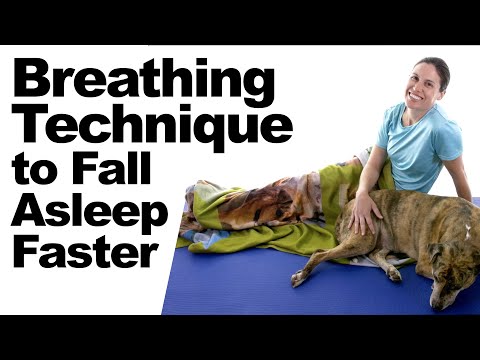
Breathing Technique for Better Sleep and Stress Reduction
3-minute workout video. Yoga, Stretching. targeting Full Body. low intensity. helps with Stress Reduction / Better Sleep.
⏱️ Key Moments
Is this workout right for you?
This 4-minute beginner video teaches the 4-7-8 breathing technique, a slow breathing pattern with set counts for inhaling, holding, and exhaling. It is low impact, needs no equipment, and is labeled for beginners and low intensity. It is listed for insomnia and anxiety disorders, and the listing includes a caution for people with anxiety disorders. Many people find slow breathing practices calming, but results vary.
Good for
- People who want a short, gentle practice to try before bed.
- Beginners who have never done breathing exercises before.
- People who want a simple way to pause during a stressful day.
- Anyone with limited mobility, since the practice needs no equipment and is low impact.
- People who want to add a calming habit to a longer weekly exercise plan.
Check first
- The video is listed with a caution for anxiety disorders. Talk with your doctor or mental health provider before you start if you have an anxiety disorder.
- If slow breathing ever makes you feel dizzy, short of breath, or panicky, stop and return to normal breathing.
- Breath holding can feel uncomfortable for some people. Skip any part that causes distress.
- If you have asthma, lung disease, or a heart condition, ask your doctor whether breathing practices are right for you.
Before you start
- Find a quiet spot where you will not be interrupted for the full four minutes.
- Wear loose, comfortable clothing so you can breathe easily.
- Sit or lie in whatever position feels safest and most comfortable for you.
- Keep your breathing gentle and natural. The video is designed to avoid straining while holding your breath.
Make it easier
- Practice for one or two minutes instead of the full four minutes.
- Use a shorter count pattern if you feel out of breath, and build up slowly over several days.
- Try the practice sitting in a supportive chair with your back resting against it.
- Practice earlier in the day, when you are less tired, to get comfortable with the rhythm.
When it feels easy
- Repeat the practice for a second round once the first feels easy and comfortable.
- Practice at the same time each night to build a steady bedtime routine.
- Use the practice before a stressful task, such as a meeting or a difficult conversation, to test how it helps you.
- Pair it with a gentle stretching routine after the breathing portion to make your session longer.
If you have a health condition
Anxiety Disorders
This video carries a caution for anxiety disorders. Many people with anxiety find breathing practices helpful, but some find that focusing on breath makes symptoms worse. Talk with your doctor or therapist before starting. Stop if you feel panic, dizziness, or tightness in your chest, and seek medical care if symptoms are severe.
Read the full anxiety disorders exercise guide →Insomnia
The video is listed for insomnia, so it may suit people looking for a calming pre-sleep practice. Many people with sleep problems use slow breathing as one part of a wider routine. If sleep trouble lasts for weeks or affects your daily life, talk with your doctor, since other causes and treatments may need attention.
Read the full insomnia exercise guide →How it fits your week
This video is only four minutes long, so it works best as a short add-on rather than your main workout. Try using it on most days, especially in the evening or during a stressful moment. For overall activity, the general adult target is 150 minutes of moderate activity a week. You can keep this practice as a calming habit and combine it with walking, stretching, or other activities you enjoy to reach your weekly goal.
Frequently asked questions about Breathing Technique for Better Sleep and Stress Reduction
Can breathing exercises help me fall asleep faster?▼
Many people find that slow, controlled breathing helps them relax before bed, which may make it easier to fall asleep. This video is labeled for insomnia and sleep goals, so it may suit you. Results vary from person to person. If you still have trouble sleeping after a few weeks, talk with your doctor about other options.
Is the 4-7-8 breathing technique safe if I have anxiety?▼
The video carries a caution for anxiety disorders, so check with your doctor or mental health provider before you start. Some people with anxiety find focused breathing calming, while others feel more uneasy when they concentrate on breath. Stop if you feel dizzy, panicky, or short of breath, and go back to normal breathing.
How often should I practice this breathing video?▼
You can practice this four-minute video once or twice a day, or whenever you feel stressed or ready for bed. Beginners often start with one short session and add more over time. Pay attention to how you feel afterward. If it helps, keep it as a regular habit. If it does not, try a different calming practice.
This guide is general information written by VitalStep from the video's details, not medical advice. Ask your doctor what is right for you.
About the creator
This workout was created by AskDoctorJo and is played from YouTube, so every view counts for the creator's channel. VitalStep adds condition tags, a written guide and safety notes to help you decide whether it fits your health. If you enjoy it, support the creator on YouTube.
More from AskDoctorJo on VitalStep
 37:51
Full Body Stretching Routine for Flexibility and Pain Relief
 5:26
5-minute Osteoporosis Exercises for Muscle Strength and Bone Health
 6:05
Osteoporosis Exercises to Protect Your Spine and Build Strength
 7:23
Osteoporosis Exercises to Maintain Strong Bones in Seated Position
 12:22
Seated Stretches for Fibromyalgia & Chronic Pain Relief - 12 Minutes
 11:27
Gentle Standing Stretches for Chronic Pain and Fibromyalgia Relief
Related Workouts
 12:42
12-minute Full Body Yoga for Stress Reduction
Jess Yoga
 8:30
8-minute Full Body Qigong for Stress Reduction
Pamela Reif
 27:32
25-minute Full Body Yoga for Stress Reduction
Sara Lyn
 22:32
Gentle Full Body Workout for Seniors in 20 Minutes
Taichi Workout
 20:00
20-minute Equal Breathing Exercise for Better Sleep
Google Health
 34:00
Pumping Cardio Workout for Full Body Endurance
Caroline Girvan
Suitable Conditions
Therapeutic Goals
⚠️ Caution
Consult your doctor if you have: Anxiety Disorders