
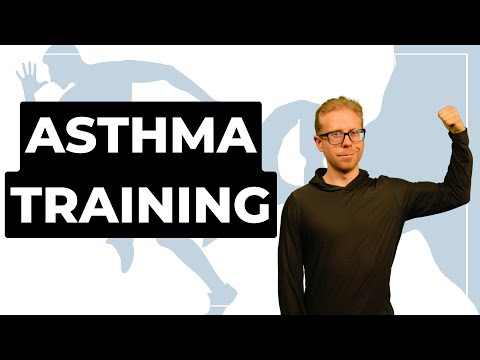
Asthma-friendly Training for Improved Lung Function
14-minute workout video. Cardio, HIIT, Strength. targeting Full Body, Core, Legs. medium intensity. helps with Cardiovascular Endurance, Weight Control / Fat Loss.
⏱️ Key Moments
Is this workout right for you?
This 15-minute intermediate workout mixes cardio, high-intensity intervals, and strength work. It needs no equipment and works the full body, core, and legs at a medium intensity. The video is titled for asthma and shares five lessons from training with asthma, including progressive overload, audible exhales, nutrition, and consistency. It includes rest periods built into the session.
Good for
- Adults with asthma who want a structured, equipment-free workout at home
- People who already move regularly and want a step up in intensity
- Anyone working toward cardiovascular endurance or weight control
- Readers who want a short session that covers cardio, intervals, and strength together
Check first
- This workout is listed for people with asthma, but it is not a treatment plan for asthma.
- Talk with your doctor or asthma care team before starting, especially if your symptoms are not well controlled.
- The video is rated intermediate, so it may be too hard if you are new to exercise.
- Because it includes high-intensity intervals, check with your doctor first if you have other heart or lung concerns.
Before you start
- Keep your rescue inhaler or other prescribed medicines close by, and use them as your doctor has directed.
- Warm up gently before you begin, and give yourself time to settle your breathing.
- Choose a flat, open space with enough room to move safely without equipment.
- Drink water before and after, and stop if you feel dizzy, chest tightness, or unusual shortness of breath.
Make it easier
- Pause for a longer rest whenever you need one, using the built-in rest periods as a guide.
- Slow your pace during the higher-effort sections and keep your breathing steady.
- Stop the session early and cool down if your symptoms start to build.
- Repeat the workout over several shorter days rather than doing it all at once.
When it feels easy
- Once the session feels comfortable, add a little more effort during the interval sections.
- Keep your rest periods short only if you feel well and your breathing is under control.
- Add a second round of the workout on days you feel strong, with a rest day between sessions.
- Pair the session with a brisk walk on other days to build your weekly total.
If you have a health condition
Asthma
The video is listed for people with asthma, and it covers breathing topics such as audible exhales. Many people with asthma can exercise, but symptoms vary from person to person. Keep your rescue inhaler nearby, and talk with your doctor about any exercise limits. Stop if you have wheezing, chest tightness, or trouble catching your breath that does not settle with rest.
Read the full asthma exercise guide →Anxiety Disorders
The video carries a caution for people with anxiety disorders. Intense intervals can cause a racing heart or shortness of breath that may feel alarming. If you have anxiety, plan a calm start, go at your own pace, and consider talking with your doctor or therapist before you begin. Stop and rest if you feel panicky.
Read the full anxiety disorders exercise guide →How it fits your week
Public health guidance for adults suggests at least 150 minutes of moderate activity each week. This 15-minute session can be one part of that total, especially on days you want a quick workout. Because it is rated intermediate, you may want to start with one or two sessions a week and build up as you feel ready. Pair it with walking or other gentle activity on the remaining days to reach your weekly target over time.
Frequently asked questions about Asthma-friendly Training for Improved Lung Function
Is this workout good for people with asthma?▼
This video is listed for people with asthma, and it shares lessons from an athlete who trains with the condition. Many people with asthma can exercise safely with proper planning. Talk with your doctor before starting, keep your rescue inhaler nearby, and stop if you have wheezing or chest tightness that does not settle with rest.
Do I need any equipment for this 15-minute workout?▼
No. The video lists no equipment, so you can do it in a clear space at home. Choose a flat, non-slippery floor and wear comfortable shoes. Drink water before and after, and keep your breathing steady as you move through the session.
How often should I do this workout?▼
Start with one or two sessions a week, since the video is rated intermediate. Rest days help your body recover. As you feel more comfortable, you can add sessions or pair them with walking on other days. Check with your doctor if you are unsure how much activity is right for you.
This guide is general information written by VitalStep from the video's details, not medical advice. Ask your doctor what is right for you.
About the creator
This workout was created by Athlete with Asthma and is played from YouTube, so every view counts for the creator's channel. VitalStep adds condition tags, a written guide and safety notes to help you decide whether it fits your health. If you enjoy it, support the creator on YouTube.
Related Workouts
 46:38
Full Body Workout for Weight Control and Muscle Strength
Rowan Row
 23:33
Complete Full Body Workout to Lose Weight
THENX
 31:22
31-minute Full Body Cardio for Weight Control
Roberta's Gym
 29:54
Full Body Hiit Workout for Weight Control in 29 Minutes
Roberta's Gym
 17:24
Metabolism-boosting Fat-burning Workout for Full Body in 17 Minutes
The Fit Mother Project - Fitness For Busy Moms
 24:02
Metabolic Workout for Women Over 50 for Weight Control
PBF Workouts
Suitable Conditions
Therapeutic Goals
⚠️ Caution
Consult your doctor if you have: Anxiety Disorders