
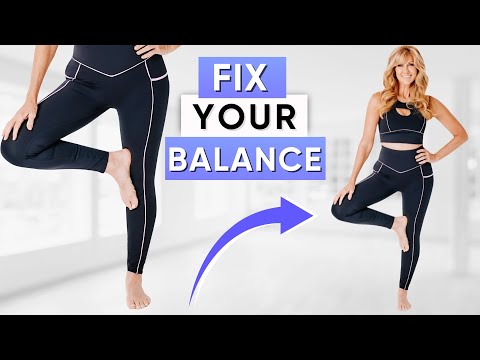
8-minute Balance Workout for Fall Prevention and Coordination
8-minute workout video. Low Impact, Balance, Floor Exercise. targeting Full Body, Core, Legs. low intensity. helps with Rehabilitation / Treatment Support, Maintain General Health.
⏱️ Key Moments
Is this workout right for you?
This is a 9-minute, low-impact balance workout done on the floor with no equipment. It focuses on your legs, core, and whole body, and is rated beginner and low intensity. The workout is built around stability and coordination, which many people find useful for reducing fall risk. A chair modification and rest periods are included, so you can adjust the pace to your needs.
Good for
- Adults who want gentle balance and coordination practice at home
- People who are new to exercise or returning after a break
- Anyone who wants a short session that fits into a busy day
- People looking for low-impact movement for general health
- Adults who prefer to work without any equipment
Check first
- Ask your doctor or physical therapist whether balance work is right for you, especially if you have had recent falls or dizziness.
- Note that osteoporosis is listed as a caution. Talk with your doctor about which movements are safe for your bones before you start.
- Clear a space on the floor with room to move and nothing you could trip over.
- Have a sturdy chair nearby, since the workout includes a chair option for support.
Before you start
- Wear comfortable clothes and supportive shoes or go barefoot on a non-slip surface.
- Drink some water and avoid heavy meals right before you start.
- Keep a wall or sturdy chair within reach for support during standing work.
- Take the rest periods when you need them, and stop if you feel pain, dizziness, or unusual shortness of breath.
Make it easier
- Use the chair modification for any move that feels unsteady.
- Hold onto a sturdy surface while you practice standing balance.
- Take the built-in rest periods, and pause longer if you need to.
- Repeat the session at a slower pace before trying it at full speed.
When it feels easy
- Once the moves feel steady, try them with less support from your hands or the chair.
- Practice the workout with your eyes open and then with a short, steady focus point.
- Add a second 9-minute session on another day to build consistency.
- Try the workout after you have built a regular walking routine for more total weekly activity.
If you have a health condition
Osteoporosis
This video is listed for osteoporosis and is also marked as a caution. Many people with osteoporosis can do gentle balance work, but bone health varies. Ask your doctor which movements are right for you, avoid any bending or twisting that feels unsafe, and use the chair option whenever you need it.
Read the full osteoporosis exercise guide →Chronic Back Pain / Disc Herniation
This video is listed for chronic back pain and disc herniation. Many people with back issues find that low-intensity floor work feels manageable. Stop if you have sharp pain, numbness, or weakness in your legs. Check with your doctor or physical therapist before starting, especially during a flare-up.
Read the full chronic back pain / disc herniation exercise guide →How it fits your week
The American Heart Association suggests 150 minutes of moderate activity a week for adults. This 9-minute workout is short and low intensity, so it works best as one part of a larger plan. Many people pair it with walking or other daily movement. You could do it three to five times a week, adding balance practice on days you are not doing more active exercise. Track how you feel, and increase gradually.
Frequently asked questions about 8-minute Balance Workout for Fall Prevention and Coordination
Is a balance workout good for preventing falls?▼
Balance practice may help improve stability and coordination, which many people find useful for reducing fall risk. Results vary. Regular practice over several weeks is more likely to help than a single session. Talk with your doctor about your fall history and what else might help you stay steady.
Can I do this workout if I have osteoporosis?▼
This video is listed as a caution for osteoporosis, so check with your doctor before starting. Many people with osteoporosis can do gentle balance work, but your bone health and fracture risk matter. Use the chair modification, avoid movements that feel unsafe, and stop if you feel pain.
How often should I do a balance workout like this?▼
Most people can start with three to five sessions a week, since the workout is only 9 minutes long. Rest a day if you feel sore or tired. Over time, you may be able to add more sessions or pair it with walking to reach the general target of 150 minutes of moderate activity a week.
This guide is general information written by VitalStep from the video's details, not medical advice. Ask your doctor what is right for you.
About the creator
This workout was created by fabulous50s and is played from YouTube, so every view counts for the creator's channel. VitalStep adds condition tags, a written guide and safety notes to help you decide whether it fits your health. If you enjoy it, support the creator on YouTube.
More from fabulous50s on VitalStep
 10:50
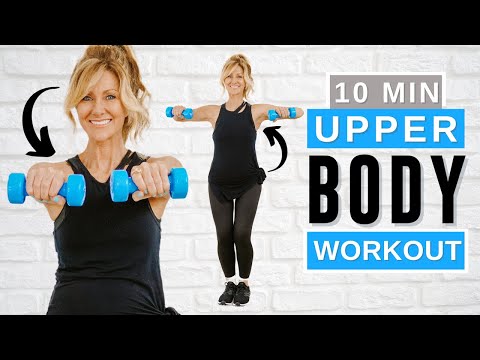
Upper Body Dumbbell Workout for Slimming and Fat Burn
 10:42
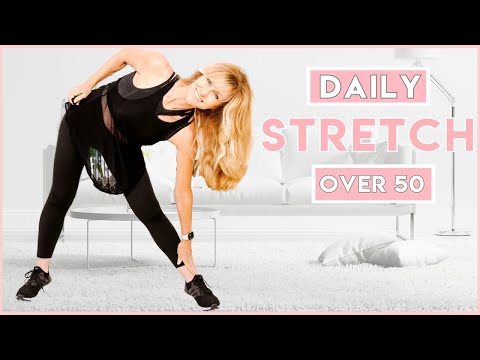
10-minute Daily Stretching Routine for Flexibility and Stress Reduction
 16:33
15-minute Full Body Walking Workout for Weight Control
 32:07
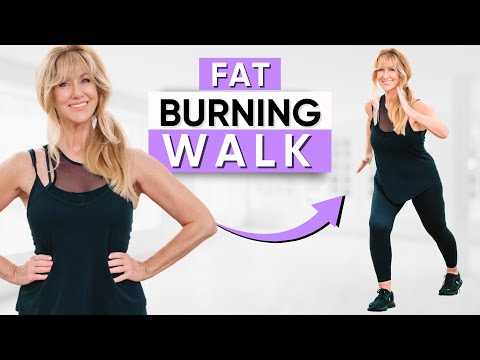
30-minute Low Impact Walking Workout for Weight Control
 5:38
5-minute Core Workout for Belly Fat Loss
 6:29
5-minute Daily Stretching Routine for Flexibility and Stress Relief
Related Workouts
 9:28
9-minute Balance Workout for Improved Stability and Fall Prevention
fabulous50s
 17:21
at Home Balance Exercises for Seniors to Improve Stability
Critical Bench Compound
 3:21
Balance and Coordination Exercises for Full Body Stability
AskDoctorJo
 15:15
Stretching Workout in Bed for Seniors and Beginners with Core and Range of Motion Exercises
Senior Fitness With Meredith
 14:19
14-minute Full Body Workout for Seniors to Maintain General Health
Roberta's Gym
 7:25
Fall Prevention Exercises for Balance and Strength - 7 Minutes
AskDoctorJo
Suitable Conditions
Therapeutic Goals
⚠️ Caution
Consult your doctor if you have: Osteoporosis