
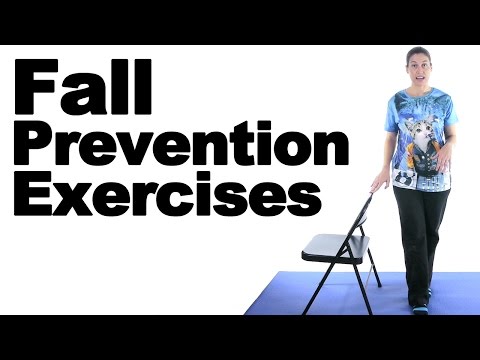
Fall Prevention Exercises for Balance and Strength - 7 Minutes
7-minute workout video. Low Impact, Balance, Strength. targeting Full Body, Hips, Legs. low intensity. helps with Rehabilitation / Treatment Support, Muscle Strength, Circulation / Blood Pressure.
⏱️ Key Moments
Is this workout right for you?
This 7-minute beginner workout focuses on fall prevention. It is low impact and uses a sturdy chair for support. The session includes walking exercises with head movements, tandem walking for balance, standing balance exercises, and hip strengthening movements. It is listed for balance, muscle strength, and circulation goals. It is a gentle option if you have limited mobility or are just getting started. Check with your doctor before you begin, especially if you have blood pressure or bone concerns.
Good for
- You are new to exercise or returning after a long break and want a short, low impact session.
- You have limited mobility and want to practice balance while using a chair for support.
- You have a busy day and want a brief session that includes built-in rest periods.
- You want to build balance and leg and hip strength, which many people find helpful for steadier walking.
Check first
- This video is listed as not suitable for people with osteoporosis. Talk with your doctor before trying it if you have this condition.
- It carries a caution for hypertension, so confirm with your doctor that standing and walking exercises fit your blood pressure plan.
- Tandem walking and standing balance work involve shifting your weight. Make sure you can safely stand and walk with support before you start.
Before you start
- Clear a space about 6 feet by 6 feet (about 1.8 by 1.8 meters) with no rugs, cords, or furniture in your path.
- Choose a sturdy chair that does not roll or tip, and place it against a wall if that feels more secure.
- Wear supportive shoes with good grip. Avoid socks or slippers on a smooth floor.
- Keep water nearby. Sit down right away if you feel dizzy, lightheaded, or short of breath.
Make it easier
- Keep your hand on the chair throughout the session, and stay close to it during standing balance practice.
- Take the rest periods the video offers, and rest longer whenever you need to.
- Choose a day when you feel steady and rested rather than pushing through a poor day.
- Practice near a wall or kitchen counter so you have an extra surface to steady yourself if needed.
When it feels easy
- Once the session feels steady, try it on a firm, flat surface with good lighting and less reliance on the chair, if your doctor agrees.
- Add a short daily walk on flat ground, and increase the time slowly over several weeks.
- Repeat the full session once in the same day only if you feel well afterward.
- Track how steady you feel each week so you can see progress and decide when to advance.
If you have a health condition
Osteoporosis
This video is listed as not suitable for people with osteoporosis. Bone conditions can change how much movement and pressure is safe for you, so talk with your doctor before trying any part of this workout. Ask whether a physical therapist or a bone-safe program could help you build balance and strength instead. Do not skip this step, even though the workout is low impact.
Read the full osteoporosis exercise guide →Hypertension
This video is listed with a caution for hypertension. Many people with high blood pressure can do gentle activity, but check with your doctor first, especially if your readings run high or your medicine affects dizziness. Stand up slowly after sitting, and stop if you feel faint, dizzy, or have chest discomfort. The video's listed circulation goal does not mean it treats high blood pressure.
Read the full hypertension exercise guide →Chronic Back Pain / Disc Herniation
This video is listed for people with chronic back pain or disc herniation. Many people with back concerns find gentle, low impact movement helpful, but everyone is different. Stop if you feel sharp pain, numbness, or pain that travels down a leg. Ask your doctor or physical therapist whether this workout fits your back condition before you begin.
Read the full chronic back pain / disc herniation exercise guide →How it fits your week
Adults are often encouraged to aim for 150 minutes of moderate activity a week. This 7-minute video is low intensity and short, so it will not reach that target on its own. Many people use it as one part of a weekly plan. You might add it on several days, along with walking or other activity your doctor approves. Choose a schedule you can keep, and build up slowly as you feel ready.
Frequently asked questions about Fall Prevention Exercises for Balance and Strength - 7 Minutes
Is this workout good for beginners?▼
Yes. The video is listed as beginner level with low intensity, so it suits people who are new to exercise. It uses a chair for support and includes rest periods. Still, check with your doctor before starting, especially if you have a health condition. Try the session once and notice how you feel afterward.
Can I do this workout if I have diabetes?▼
The video is listed for people with diabetes, and many people with diabetes can do gentle, low impact activity. Check with your doctor before starting, especially if you take medicine that affects blood sugar or balance. Keep a snack nearby and check your blood sugar as your care team advises.
Do I need equipment for this workout?▼
No special equipment is needed. The video uses a sturdy chair for support, and supportive shoes help with grip. Choose a chair that does not roll or tip. Keep a clear space around you so you can move safely and avoid tripping hazards.
This guide is general information written by VitalStep from the video's details, not medical advice. Ask your doctor what is right for you.
About the creator
This workout was created by AskDoctorJo and is played from YouTube, so every view counts for the creator's channel. VitalStep adds condition tags, a written guide and safety notes to help you decide whether it fits your health. If you enjoy it, support the creator on YouTube.
More from AskDoctorJo on VitalStep
 37:51
Full Body Stretching Routine for Flexibility and Pain Relief
 5:26
5-minute Osteoporosis Exercises for Muscle Strength and Bone Health
 6:05
Osteoporosis Exercises to Protect Your Spine and Build Strength
 7:23
Osteoporosis Exercises to Maintain Strong Bones in Seated Position
 12:22
Seated Stretches for Fibromyalgia & Chronic Pain Relief - 12 Minutes
 11:27
Gentle Standing Stretches for Chronic Pain and Fibromyalgia Relief
Related Workouts
 10:31
10-minute Low Impact Full Body Workout for Seniors
Workout Guru
 13:19
Senior Fitness Full Body Dumbbell Workout for Muscle Strength
Senior Fitness With Meredith
 8:12
Daily Senior Fitness Routine for Strength and Flexibility
Senior Fitness With Meredith
 3:21
Balance and Coordination Exercises for Full Body Stability
AskDoctorJo
 25:17
Senior Fitness Full Body Dumbbell Workout for Muscle Strength
Senior Fitness With Meredith
 28:14
Chair Pilates for Seniors and Beginners for Flexibility and Core Strength
SeniorShape Fitness
Suitable Conditions
Therapeutic Goals
⚠️ Caution
Consult your doctor if you have: Hypertension
🚫 Contraindications
Avoid this workout if you have: Osteoporosis