
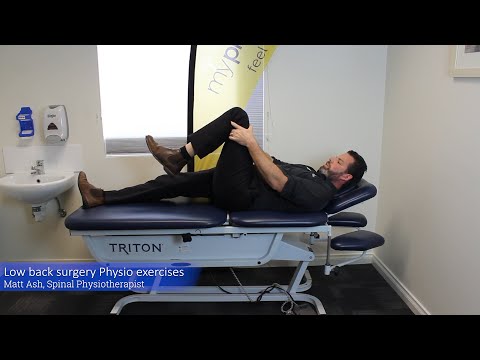
Post-surgery Low Back Rehabilitation Exercises for Pain Relief
5-minute workout video. Low Impact, Rehabilitation, Floor Exercise. targeting Back, Hips, Legs. low intensity. helps with Rehabilitation / Treatment Support, Pain Relief.
⏱️ Key Moments
Is this workout right for you?
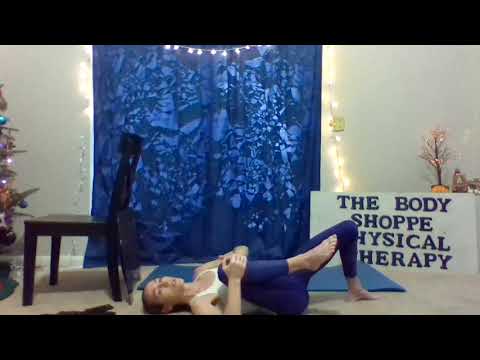
This 6-minute beginner video is a low impact rehabilitation workout for the back, hips and legs. It is mostly done on the floor and lists a chair as a modification. The intensity is low, and the video includes rest periods. It is listed for chronic back pain and disc herniation, with goals of rehabilitation support and pain relief. Because it is aimed at people recovering from back surgery, check with your surgeon or physical therapist before you start.
Good for
- People with limited mobility who want a short, low intensity routine.
- Adults recovering from back surgery who have clearance from their care team to move.
- Anyone looking for a gentle way to ease back into movement for back, hip and leg comfort.
- People who want a short session that fits into a busy day.
Check first
- Ask your surgeon or doctor whether this type of movement fits your recovery stage.
- Confirm that getting down to and up from the floor is safe for you before you begin.
- Stop and contact your care team if pain gets worse, spreads down a leg, or feels new.
Before you start
- Clear a firm, non-slip space on the floor and set a sturdy chair nearby.
- Wear comfortable clothes and have a mat or folded blanket for padding.
- Keep water and a phone nearby in case you need help getting up.
Make it easier
- Use the chair modification the video offers if floor movement feels hard.
- Take the rest periods the video includes, and rest longer if you need to.
- Move slowly and stop before any movement causes sharp pain.
When it feels easy
- Ask your physical therapist before adding time or repeats, since this video is built as a low intensity session.
- Increase how often you do the session across the week only as your care team advises.
- Add a walk after the session only if your care team has approved walking for you.
If you have a health condition
Chronic Back Pain / Disc Herniation
This video is listed for chronic back pain and disc herniation. Many people with these conditions find low impact, floor based movement gentle, but everyone's situation is different. Because it is designed for rehabilitation after back surgery, follow your surgeon's and physical therapist's instructions first. Seek medical care right away if you notice new numbness, weakness, or changes in bladder or bowel control.
Read the full chronic back pain / disc herniation exercise guide →How it fits your week
This 6-minute session is short, so it can fit into most days. Its low intensity means it will likely add only a small amount toward the 150 minutes of moderate activity a week that adults are generally advised to aim for. Think of it as a gentle start or a supplement. Many people use short sessions like this several times a week as part of a wider plan their care team approves.
Frequently asked questions about Post-surgery Low Back Rehabilitation Exercises for Pain Relief
Is this workout safe after back surgery?▼
Only your surgeon or physical therapist can tell you whether it is safe for your stage of recovery. The video is designed for rehabilitation after back surgery, but every surgery and healing timeline is different. Share the video with your care team before you start. Ask them which movements to skip or change, and how to tell if you are doing too much.
Can I do this workout without getting on the floor?▼
Possibly. The video lists a chair as a modification, which may help if getting down to the floor is hard for you. It is categorized as a floor exercise, though, so ask your care team how to adapt it safely. Never force yourself down to the floor or up from it if it causes pain or feels unsafe.
How often should I do back rehab exercises?▼
Ask your physical therapist, because the right frequency depends on your surgery, your pain and your progress. Many people start with short sessions and build slowly. Pay attention to how your back feels the next day. If pain lasts longer or gets worse, pause and contact your care team before you continue.
This guide is general information written by VitalStep from the video's details, not medical advice. Ask your doctor what is right for you.
About the creator
This workout was created by myPhysioSA Adelaide and is played from YouTube, so every view counts for the creator's channel. VitalStep adds condition tags, a written guide and safety notes to help you decide whether it fits your health. If you enjoy it, support the creator on YouTube.
More from myPhysioSA Adelaide on VitalStep
Related Workouts
 56:43
Full Body Pilates Workout for Beginners
PILATES FOR THE PEOPLE
 14:19
14-minute Full Body Workout for Seniors to Maintain General Health
Roberta's Gym
 11:57
Running Injury Recovery for Tendons and Bones
Nathan Carlson
 7:25
Hip Strengthening Exercises for Pain Relief in 7 Minutes
AskDoctorJo
 4:31
Herniated Disc Relief: Effective Stretches for Back Pain Relief
AskDoctorJo
 45:22
Exercise for Chronic Pain Management in Full Body Relief
Dr. Katherine Price, PT, DPT