
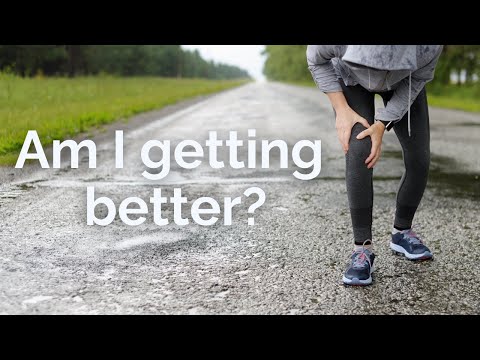
Running Injury Recovery for Tendons and Bones
11-minute workout video. Rehabilitation, Low Impact, Strength. targeting Legs, Back, Core. medium intensity. helps with Pain Relief, Rehabilitation / Treatment Support.
⏱️ Key Moments
Is this workout right for you?
This 12-minute video is a rehabilitation workout for people recovering from running-related tendon and bone injuries. It is low impact, needs no equipment, and works the legs, back, and core. The video explains that recovery is gradual and that timelines matter. It is rated intermediate with medium intensity. Many adults in the middle stages of recovery find that a short, structured session is easier to keep up with. Talk with your doctor or physical therapist before you start.
Good for
- People recovering from a running-related tendon or bone injury who want guided rehab at home.
- Adults with limited mobility or light to moderate activity levels who want a low impact option.
- People who want to build leg, back, and core strength without buying equipment.
- Anyone who wants to understand how gradual recovery works before returning to running.
Check first
- Ask your doctor or physical therapist whether this kind of strength work fits your injury stage.
- Make sure your injury has been properly assessed, since tendon and bone injuries need a clear diagnosis.
- Stop and talk with a clinician if pain gets sharper, lasts longer, or changes after a session.
- If you have osteoporosis, get clearance first because this video is listed with a caution for that condition.
Before you start
- Clear a space on the floor that is big enough to lie down and move your legs freely.
- Wear comfortable clothing and use a mat or firm surface if you have one.
- Keep water nearby and plan to sit or rest whenever you need to.
- Set a timer or plan your breaks, since the video includes rest periods.
Make it easier
- Take breaks as needed and pause the video whenever you need to.
- Do the session on days when your injury feels settled rather than flared up.
- Keep a sturdy chair or wall nearby for balance if you feel unsteady.
- Repeat the session only after you know how your legs responded the day before.
When it feels easy
- Once the session feels easy, ask your clinician whether you can progress gradually.
- Add light walking on flat ground only if your clinician approves it.
- Build your weekly time slowly instead of adding more sessions all at once.
If you have a health condition
Osteoporosis
This video is listed with a caution for osteoporosis. Lower bone density can change how much load your bones can handle. Talk with your doctor before starting and ask whether this type of strength work is appropriate for your bones. Stop if you feel sharp pain, and do not push through it. The video is designed to avoid spinal load, but that does not replace your doctor's advice.
Read the full osteoporosis exercise guide →Chronic Back Pain / Disc Herniation
This video is listed for chronic back pain and disc herniation. The workout is designed to avoid spinal load and core compression, which may suit some people. Many people with back problems find that gentle, guided movement helps, but everyone responds differently. Stop if your pain spreads, if you notice numbness or weakness, or if your pain gets worse. Check with your doctor first.
Read the full chronic back pain / disc herniation exercise guide →Obesity
This video is listed for obesity. Because it is low impact, it may be easier on your joints than higher impact options. Many adults with obesity find that short, steady sessions are easier to keep up with. Start at a pace that feels manageable and build your time slowly. Talk with your doctor about how much activity is right for you.
Read the full obesity exercise guide →How it fits your week
The video runs 12 minutes, so it fits easily into a short daily routine or a few times a week. Adults aim for about 150 minutes of moderate activity a week. This video can be one part of that total, but it is not a full week of exercise on its own. Many people use short rehab sessions alongside walking or other low impact activity their clinician approves. Notice how your injury feels over the following day and adjust as needed.
Frequently asked questions about Running Injury Recovery for Tendons and Bones
Can I start running again after doing this video?▼
This video does not tell you when to return to running, so ask your clinician before you start again. Recovery timelines differ for tendons and bones, and running too soon can slow healing. Your doctor or physical therapist can check your progress and guide a gradual return. Use this video as one part of your rehab plan, not as the only guide.
Is this video safe if I have osteoporosis?▼
This video is listed with a caution for osteoporosis, so check with your doctor before you start. Bone strength varies from person to person, and your doctor can tell you which types of loading are right for you. If you do start, stop at any sharp pain and talk with your clinician. Do not treat this video as a substitute for medical advice.
How often should I do this rehab workout?▼
Your clinician is the best guide for how often to do rehab work for your injury. Many people start with a few short sessions a week and increase only when they feel steady. Rest between sessions gives your body time to respond. If pain or soreness lasts beyond the next day, reduce how often you train and check in with your provider.
This guide is general information written by VitalStep from the video's details, not medical advice. Ask your doctor what is right for you.
About the creator
This workout was created by Nathan Carlson and is played from YouTube, so every view counts for the creator's channel. VitalStep adds condition tags, a written guide and safety notes to help you decide whether it fits your health. If you enjoy it, support the creator on YouTube.
Related Workouts
 2:44
Rehabilitation Exercises for Leg Injury Recovery
shastaortho
 0:21
Calisthenics at Home for Full Body Strength and Flexibility
Meli
 2:27
Barre for Beginners: Full Body Low Impact Workout for Stress Reduction
Pure Barre
 10:31
10-minute Low Impact Full Body Workout for Seniors
Workout Guru
 11:12
10-minute Chair Workout for Seniors' Muscle Strength and Flexibility
The Body Coach TV by Joe Wicks
 28:16
Balance, Strength & Core Workout to Improve Stability for Beginners & Seniors
SeniorShape Fitness
Suitable Conditions
Therapeutic Goals
⚠️ Caution
Consult your doctor if you have: Osteoporosis