
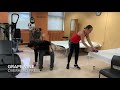
Low-moderate Intensity Cardiac Rehab for Heart Health
27-minute workout video. Cardio, Strength, Low Impact. targeting Full Body, Arms, Legs. low intensity. helps with Rehabilitation / Treatment Support, Cardiovascular Endurance, Muscle Strength.
⏱️ Key Moments
Is this workout right for you?
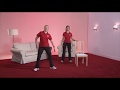
This 28-minute video from NewYork-Presbyterian Hospital is a low intensity, beginner workout built for heart rehabilitation. It combines a warm-up, aerobic exercise, and light strength work using a chair and dumbbells. It is low impact, offers chair modifications for different fitness levels, and includes rest periods. The video is listed for coronary artery disease, heart failure, and diabetes, and hypertension is listed as a caution.
Good for
- Adults returning to exercise after a heart event or hospital stay who want a gentle, structured plan.
- People who want a low impact workout that puts less stress on the joints.
- Anyone new to exercise or with limited mobility who wants to build endurance and muscle strength slowly.
- People who want one session that can fit into the 150 minutes of moderate activity many adults aim for each week.
Check first
- Ask your doctor or cardiac care team whether this workout fits your heart condition before you begin.
- Check that you can sit down and stand up from a chair safely, since the workout uses one.
- Know what to do if you feel chest pain, unusual shortness of breath, dizziness, or faintness during exercise.
- Confirm your blood pressure is well managed, since hypertension is listed as a caution for this video.
Before you start
- Gather a sturdy chair without wheels and a pair of dumbbells, starting with a weight that feels light to you.
- Set up in a clear space with enough room to move your arms and legs without bumping into furniture.
- Keep water, your phone, and any prescribed medicines within easy reach.
- Wear loose, comfortable clothing and supportive shoes with good grip.
- Plan to use the rest periods, and stop early if you feel unwell.
Make it easier
- Use the chair modifications the video offers if you feel tired or unsteady.
- Take the built-in rest periods fully, and pause longer whenever you need to.
- Split the 28 minutes into two shorter sessions across the day if a full session feels like too much.
- Use lighter dumbbells, or skip the weights, if your care team advises against lifting.
When it feels easy
- Once the video feels comfortable, add a few short walks on other days to build endurance.
- Move to a slightly heavier dumbbell only if your care team says it is safe and you can keep breathing steadily.
- Add sessions on more days each week as your stamina improves, with your doctor's approval.
If you have a health condition
Coronary Artery Disease
This video is listed for coronary artery disease and is designed around heart rehabilitation. Many people with this condition take part in supervised programs like this one. The low intensity and rest periods may suit some people, but your cardiac team should confirm it fits your heart, any stent or bypass, and your medicines. Stop and get medical help if you have chest pain.
Read the full coronary artery disease exercise guide →Heart Failure
This video is listed for heart failure. Heart failure can change how much activity your body can handle, so talk with your cardiologist before starting. Watch for new swelling, rapid weight gain, or worse shortness of breath during or after the session. The low intensity and chair options may help some people, but get medical advice first.
Read the full heart failure exercise guide →Hypertension
Hypertension is listed as a caution for this video, so it is not a condition the video is designed around. If your blood pressure is high or hard to control, check with your doctor before starting. The video lists avoiding breath-holding straining as a safety feature, and it is worth discussing how you breathe during lifting with your care team.
Read the full hypertension exercise guide →How it fits your week
A 28-minute session works best as one part of your week, not the whole plan. Most adults aim for 150 minutes of moderate activity a week. You could do this video several days a week and add short walks or other gentle activity on the remaining days, as your care team advises. If you are new to exercise, start with fewer days and build up slowly. Rest days matter too, so notice how you feel the next day.
Frequently asked questions about Low-moderate Intensity Cardiac Rehab for Heart Health
Is this workout safe for heart failure or coronary artery disease?▼
No workout can be guaranteed safe for a heart condition, so ask your cardiologist before you start. This video is listed for both conditions and uses low intensity, low impact exercise, chair options, and rest periods. Many people with heart conditions take part in supervised cardiac rehab, and this video may suit some of them. Stop and seek help if you have chest pain, severe breathlessness, or dizziness.
Do I need dumbbells to do this workout?▼
Yes, the video lists dumbbells as equipment, so the strength part of the plan uses them. If you do not have dumbbells, ask your care team about a lighter option they approve or whether to skip the weights. Lifting should be done at a weight that still lets you breathe comfortably. Check with your doctor about lifting before you begin.
Can I do this workout if I am new to exercise?▼
Yes, the video is rated beginner and low intensity, so it is written for people who are new to exercise. It is also listed for limited mobility and light activity levels. Start slowly, use a sturdy chair, and take the rest periods. Still, check with your doctor first, especially if you have a heart condition or high blood pressure.
This guide is general information written by VitalStep from the video's details, not medical advice. Ask your doctor what is right for you.
About the creator
This workout was created by NewYork-Presbyterian Hospital and is played from YouTube, so every view counts for the creator's channel. VitalStep adds condition tags, a written guide and safety notes to help you decide whether it fits your health. If you enjoy it, support the creator on YouTube.
Related Workouts
 20:19
20-minute Chair Exercise for Cardiac Rehabilitation
UHNM Cardiac Rehab Team
 18:51
15-minute Strength and Heart Endurance Workout for Cardiac Rehab
Kento Health
 20:39
20-minute Hiit Workout for Heart Health and Cardiovascular Endurance
Yes2Next
 4:32
Safe Exercise for Heart Disease: Full Body Cardio for Cardiovascular Endurance
FOX 8 News Cleveland
 10:13
10-minute Cardiac Rehabilitation Exercises for Heart Health
Cleveland Clinic
 51:28
Cardiac Rehab at Home for Heart Health Improvement
British Heart Foundation
Suitable Conditions
Therapeutic Goals
⚠️ Caution
Consult your doctor if you have: Hypertension