
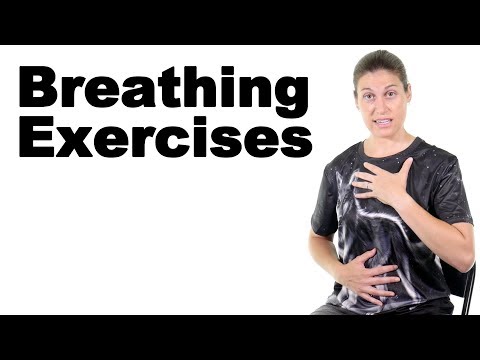
Breathing Exercises for Copd and Asthma for Improved Lung Capacity
8-minute workout video. Low Impact, Breathing Exercises. targeting Full Body, Chest. low intensity. helps with Rehabilitation / Treatment Support.
⏱️ Key Moments
Is this workout right for you?
This 9-minute video from AskDoctorJo is a low impact session of breathing exercises. It is listed for COPD and asthma and focuses on the chest and full body. The video describes techniques such as pursed lip breathing and diaphragmatic breathing, which aim to strengthen the muscles used for breathing. It needs no equipment and is rated beginner and low intensity. It is meant as rehabilitation and treatment support, not a replacement for your care plan.
Good for
- People with COPD or asthma who want a gentle way to practice breathing techniques.
- Adults with limited mobility or who are currently doing only light activity.
- Anyone looking for rehabilitation support alongside guidance from their care team.
- People who want a no-equipment session they can do at home in about 9 minutes.
- Viewers who want a video marked as avoiding breath-holding and straining.
Check first
- Ask your doctor or respiratory therapist whether breathing exercises fit your current lung health and treatment plan.
- Keep your rescue inhaler and any prescribed medicines close by during the session.
- Stop and rest if you feel short of breath, dizzy, or have chest pain, and follow your action plan.
- Ask your care team before starting if you have had a recent flare-up, infection, or new symptoms.
Before you start
- Pick a calm spot with a chair nearby in case you need to sit down.
- Wear loose clothing that does not press on your chest or stomach.
- Have water nearby and avoid starting right after a large meal.
- Plan to use the rest periods built into the video rather than pushing through.
Make it easier
- Do only part of the video at first, then build up as your breathing allows.
- Pause the video whenever you need to and resume once your breathing settles.
- Practice at the same time each day so the routine becomes familiar.
- Sit in a supportive chair if standing feels tiring.
When it feels easy
- Once the video feels comfortable, add a second short session on another day.
- Use the same breathing patterns during light daily tasks, like folding laundry.
- Gradually increase how long you stay with each session, as your care team advises.
If you have a health condition
COPD
The video is listed for COPD, and breathing practice is a common part of lung rehabilitation. Many people with COPD find gentle breathing work helpful, but it does not replace inhalers, oxygen, or other treatment. Tell your doctor you plan to start, and stop if your breathing worsens or you feel unwell.
Read the full copd exercise guide →Asthma
The video is also listed for asthma. Many people with asthma use breathing techniques to feel more in control during daily life, but these exercises are not a treatment for asthma attacks. Keep your reliever inhaler nearby, and seek medical help right away if symptoms are severe or do not improve.
Read the full asthma exercise guide →How it fits your week
Adults are generally encouraged to aim for 150 minutes of moderate activity a week. This 9-minute, low intensity video will not reach that target on its own, since breathing work is light. You might use it as one short part of a weekly plan, alongside walking or other activity your doctor approves. Doing it on most days can be an easy way to build a habit.
Frequently asked questions about Breathing Exercises for Copd and Asthma for Improved Lung Capacity
Can breathing exercises help with COPD or asthma?▼
Many people with COPD or asthma find that breathing practice helps them feel more in control of their breathing. Breathing exercises are usually one part of care, not a replacement for medicine. Talk with your doctor or respiratory therapist before you rely on them for symptom management.
How often should I do a breathing session like this?▼
Start with one session a day or as your care team suggests. Many people begin with a few sessions a week and build up slowly. Stop if you feel dizzy, have chest pain, or notice unusual shortness of breath.
Is this video suitable if I have limited mobility?▼
The video is marked as low impact, beginner level, and suitable for limited mobility. Because it is a video and not a personal assessment, it cannot tell whether it fits your lungs or health today. Ask your doctor first, and adjust or pause whenever you need to.
This guide is general information written by VitalStep from the video's details, not medical advice. Ask your doctor what is right for you.
About the creator
This workout was created by AskDoctorJo and is played from YouTube, so every view counts for the creator's channel. VitalStep adds condition tags, a written guide and safety notes to help you decide whether it fits your health. If you enjoy it, support the creator on YouTube.
More from AskDoctorJo on VitalStep
 37:51
Full Body Stretching Routine for Flexibility and Pain Relief
 5:26
5-minute Osteoporosis Exercises for Muscle Strength and Bone Health
 6:05
Osteoporosis Exercises to Protect Your Spine and Build Strength
 7:23
Osteoporosis Exercises to Maintain Strong Bones in Seated Position
 12:22
Seated Stretches for Fibromyalgia & Chronic Pain Relief - 12 Minutes
 11:27
Gentle Standing Stretches for Chronic Pain and Fibromyalgia Relief
Related Workouts
 8:00
8-minute Shaolin Qi Gong Breathing Exercises for Lung Strengthening
KUNGFU.LIFE
 11:16
11-minute Tai Chi for Lung Health and Cold Relief
Taichi Workout
 2:35
Active Cycle of Breathing Technique for Asthma Relief
NHS University Hospitals Plymouth Physiotherapy
 3:00
Asthma-friendly Exercises for Improved Lung Health
R.M.G-Healthy& sport
 4:14
Asthma-friendly Cardio Workout for Lung Health
Aspetar سبيتار
 21:23
Yoga for Asthma Relief and Improved Breathing in 21 Minutes
Well With Hels