
Rheumatoid Arthritis Exercise Plan for Women 70+
7-Day Gentle Mobility and Pain Relief Program
Morning Workout - Warm-Up and Hand and Wrist Mobility
Warm up for 5 minutes with a warm mug or warm water soak (about 100F / 38C). Seated, make a loose fist and open the hand wide, 10 times. Bend wrists up and down 10 times each direction. Finish with 10 thumb circles each way. Drink 8 oz (250 ml) of water first. Stay within a comfortable stretch and do not force movement.
Afternoon Workout - Seated Chair Exercises
Sit in a sturdy chair with armrests and back support. Do 2 sets of 8 to 10 reps with 30 seconds rest between sets: seated knee extensions (hold 3 seconds, switch legs), seated marching, and seated arm raises to shoulder height. Eat a light snack 30 to 60 minutes before if your medicine requires food. Stop if any joint becomes hot, swollen, or more painful.
Evening Workout - Gentle Stretch and Relax
About 1 hour after dinner, lie on your back with a pillow under your head. Gently pull one knee to your chest and hold 20 to 30 seconds, then switch sides. Lie still with arms relaxed and breathe slowly for 2 minutes. Never bounce.
Morning Workout - Neck and Shoulder Mobility
Sit tall. Tilt your head toward one shoulder and hold 15 seconds, then switch. Turn your head to look over one shoulder and hold 10 seconds, then switch. Finish with 10 slow shoulder shrugs. Move slowly and avoid sudden turns, especially if you feel dizzy.
Afternoon Workout - Easy Walking
Walk on a flat, safe surface at a conversational pace for about 0.5 mile (800 m). Keep steps short and posture upright. Use a cane or walker if needed. Wear supportive cushioned shoes. Walk about 1 hour after lunch. Stop if joint pain does not ease within 5 minutes of rest.
Evening Workout - Breathing and Relaxation
Sit or lie down comfortably. Breathe in through your nose for 4 counts and out through your mouth for 6 counts for 10 minutes. Let your shoulders and jaw relax on each exhale. Useful before bed if sleep is difficult.
Morning Workout - Ankle and Hip Mobility
Lie on your back in bed or on a mat. Point and flex each foot 10 times. Draw 10 circles with each ankle in each direction. With knee bent and foot flat, let knees fall gently to one side and back, 8 times per side. Helps ease morning stiffness in the feet and hips.
Afternoon Workout - Seated Upper Body Strength
Sit with back supported and hold a water bottle of about 16 oz (500 ml), roughly 1 lb (0.5 kg). Use a 2 lb (1 kg) item only if it feels easy. Do 2 sets of 8 reps each of bicep curls and overhead presses. Keep movements slow and controlled. Stop if joint pain rises above mild discomfort.
Evening Workout - Gentle Full-Body Stretch
Sit on the edge of a chair. Reach both arms overhead and hold 15 seconds. Lean gently to one side for 15 seconds, then the other. Finish with a seated forward fold, arms hanging loosely, for 20 seconds. Keep your back straight. Skip if dizzy.
Morning Workout - Hand and Finger Strengthening
Hold a soft foam ball or rolled washcloth. Squeeze gently for 3 seconds and relax, 10 times. Press fingertips together, then apart and back together, 10 times. Spread fingers wide and hold 5 seconds, repeated 5 times. Use only a light squeeze. Stop if the hand feels hot or sharply painful.
Afternoon Workout - Easy Walking
Walk at a relaxed pace on flat ground for 20 minutes, covering about 0.75 mile (1.2 km). Rest on a bench if tired and keep arms swinging gently. Walk about 1 hour after lunch and carry 16 oz (500 ml) of water to sip.
Evening Workout - Full-Body Stretch on a Mat or Bed
Lie on your back. Hug one knee to your chest for 20 seconds, then switch. Hug both knees together for 20 seconds. With arms out to the sides, gently roll both knees to one side for 20 seconds, then the other. Move slowly and keep breathing steady. Use your bed instead if getting up from the floor is hard.
Morning Workout - Shoulder and Arm Mobility
Sit tall. Make 10 slow forward and 10 backward shoulder circles. Bring arms out to the sides, then bend elbows to bring hands toward shoulders, 8 times. Clasp hands in front and stretch forward for 15 seconds. Warm shoulders with a towel first if stiff. Stay in a pain-free range.
Afternoon Workout - Chair Sit-to-Stand
Sit on a firm chair near a wall or counter. Stand slowly, without using your hands if you can, then sit with control. Do 2 sets of 8 reps with 1 minute rest between sets. Hold the counter if needed. Use a chair with armrests if standing is hard. Do this after a light snack and not when you feel unsteady.
Evening Workout - Breathing and Relaxation
Lie down with knees bent and a pillow under them. Place one hand on your chest and one on your belly. Breathe in slowly so the belly rises, then breathe out slowly for 10 minutes. A good way to end the week and ease tension before bed.
Morning Workout - Gentle Water Exercise or Chair-Based Movement
If you have a warm pool (about 90F / 32C), walk slowly in the shallow end, do arm circles in the water, and do leg swings while holding the pool edge. Without a pool, do 10 seated arm circles forward and 10 backward, then 10 slow seated leg lifts per leg. Stay near the edge and use a chair or wall for balance.
Afternoon Workout - Balance Practice and Walking
Stand behind a sturdy chair and hold its back with one hand. Lift one foot slightly off the floor and hold 10 seconds. Switch feet. Repeat 3 times per side. Then walk slowly for 5 minutes in your home or a safe area. Keep a chair or wall nearby, work in good light, and wear non-slip shoes.
Evening Workout - Gentle Stretch and Relax
About 1 hour after dinner, lie on your back and gently pull one knee to your chest for 20 seconds, then the other. Lie on your side with a pillow between your knees and rest 2 minutes. Finish with slow, deep breaths for 3 minutes. Avoid pulling on any painful joint.
Morning Workout - Warm Bath or Warm Compress with Gentle Self-Massage
Rest day. Soak in a warm bath (about 100F / 38C) for up to 10 minutes, or apply a warm towel to stiff joints. Gently massage hands, wrists, and knees with light circular strokes for 2 to 3 minutes each. Do not use heat on hot or swollen joints. Check water temperature with your wrist or elbow first.
Afternoon Workout - Optional Short Walk
If you feel good, take a slow walk for about 0.25 mile (400 m). If not, sit quietly and rest. Drink 8 oz (250 ml) of water after your walk.
Evening Workout - Relaxation and Deep Breathing
Sit or lie down comfortably. Breathe in slowly for 4 counts and out for 6 counts for 10 minutes while letting your body fully relax. Note how your joints felt during the week to share with your doctor. If you have strong pain, swelling, or fatigue, skip activities and simply rest.
Who this plan is for
This plan was built for women 70+ living with Rheumatoid Arthritis, starting from a light activity activity level, with these goals: Pain Relief, Flexibility / Range of Motion. If your age, health or fitness is different, use it as a starting point and adjust, or build a free plan for your own profile.
Exercise guides: Exercise for Rheumatoid Arthritis
The week at a glance
21 sessions on 7 days, 300 minutes in total; sessions last 10–20 minutes.
About 110 of these minutes are walking or other cardio, which count toward the WHO guideline of 150 minutes of moderate aerobic activity a week (73% of it, if done at a pace that makes you breathe a little harder). Strength work appears on 2 days; WHO recommends muscle strengthening on 2 or more days a week. Stretching and breathing sessions help mobility and relaxation but are not counted here.
| Day | Sessions | Minutes | Main activities |
|---|---|---|---|
| Monday | 3 | 50 | Stretching, Low-impact cardio |
| Tuesday | 3 | 40 | Stretching, Walking, Breathing & relaxation |
| Wednesday | 3 | 45 | Stretching, Strength |
| Thursday | 3 | 45 | Strength, Walking, Stretching |
| Friday | 3 | 40 | Stretching, Breathing & relaxation |
| Saturday | 3 | 50 | Swimming & water, Walking, Stretching |
| Sunday | 3 | 30 | Swimming & water, Walking, Breathing & relaxation |
Minutes by activity: Stretching 120 · Walking 60 · Breathing & relaxation 30 · Swimming & water 30 · Strength 25 · Low-impact cardio 20.
Safety notes
- Check with your doctor or physiotherapist before starting, especially with heart disease, uncontrolled blood pressure or blood sugar, recent surgery or new pain.
- Keep to a pace where you can talk. Mild muscle effort is normal; sharp or increasing pain is a sign to stop.
Stop and get help if you notice
- Chest pain, pressure or tightness, or breathlessness that does not settle with rest (call emergency services if it does not ease quickly)
- A joint that becomes hot, red and swollen during or after exercise
- Sharp or severe joint pain, or pain that is much worse than usual after exercise and does not settle with rest
- Neck pain with tingling, numbness or weakness in your arms or hands, or new clumsiness or trouble walking
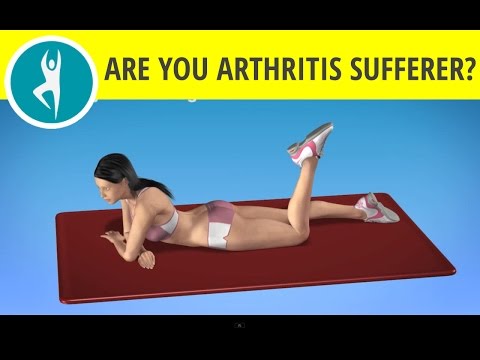
Beginner follow-along videos
Similar plans
How this plan was made
VitalStep’s AI generated this plan from the profile above (age group, gender, health conditions, goals and activity level), using general exercise guidance for those conditions. It was selected by the VitalStep team as a starter plan for this group. It has not been reviewed by a clinician for any individual and is general information, not medical advice.