
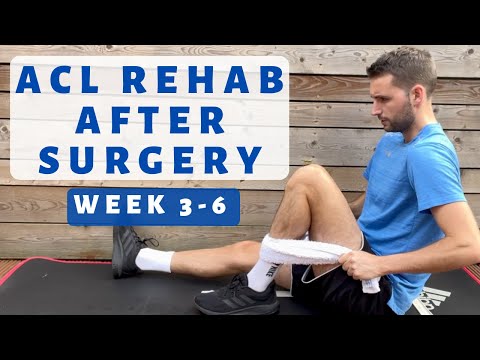
Acl Rehabilitation Exercises for Legs and Full Body Strength
3-minute workout video. Strength, Rehabilitation. targeting Legs, Full Body. low intensity. helps with Rehabilitation / Treatment Support, Muscle Strength.
⏱️ Key Moments
Is this workout right for you?
This is a 3-minute beginner strength workout labeled as ACL rehabilitation. It works the legs and full body, needs no equipment, and is low intensity. The summary mentions bridges, step overs, and dynamic balance exercises. A chair option and rest periods are included. Because the session is short, it works best as an add-on to your plan. Talk with your doctor or physical therapist before you start, especially if you are still recovering from knee surgery or injury.
Good for
- You are recovering from an ACL injury and want gentle, low impact leg work that your care team has approved.
- You are new to exercise or returning after a break and want a short, low intensity session.
- You want to build leg and full body strength without buying any equipment.
- You have limited mobility and want the option to work from a sturdy chair.
Check first
- Ask your surgeon or physical therapist whether these exercises fit your stage of ACL recovery.
- Confirm that knee bending, step overs, and balance work are right for your knee right now.
- Stop and contact your care team if you have sharp pain, locking, swelling, or a feeling that your knee gives way.
Before you start
- Clear a space with a sturdy chair and a steady surface you can hold for balance.
- Wear comfortable clothes and shoes with good grip on a non-slip floor.
- Have water nearby and keep your pace easy for the full 3 minutes.
Make it easier
- Use the chair modification and hold onto a stable surface during the balance work.
- Rest between rounds or repeat the session after a break if you need extra time.
- Keep your movements small and slow, and stop before any sharp pain.
When it feels easy
- Once your care team agrees, you can repeat the session or add a short walk afterward.
- Ask your physical therapist when it may be time to add light resistance, such as a resistance band.
- Try balance work with less support only when you feel steady and your care team agrees.
If you have a health condition
Osteoarthritis
This video is listed with a caution for osteoarthritis. Knee pain and stiffness from osteoarthritis can change how much bending, stepping, and balance work feels right. Many people with osteoarthritis do low impact strength work, but start gently and notice how your knee feels the next day. If your knee swells or pain lasts longer than usual, check with your doctor before you continue.
Read the full osteoarthritis exercise guide →How it fits your week
Adults are generally encouraged to aim for 150 minutes of moderate activity a week. This 3-minute video is too short to meet that target on its own, so treat it as one small piece of your week. You might do it on days you do not do other exercise, or pair it with a short walk or the home program from your therapist. Build up slowly, and let your care team guide how often you repeat it.
Frequently asked questions about Acl Rehabilitation Exercises for Legs and Full Body Strength
Is this ACL workout safe to do on my own?▼
It depends on where you are in your recovery, so check with your surgeon or physical therapist first. The video is low impact and includes a chair option, which may suit some people. Still, it is not tailored to you. If you feel sharp pain, swelling, or instability, stop and contact your care team.
Do I need any equipment for this video?▼
No equipment is listed for this video. The chair modification means you can use a sturdy chair for support during the session. Choose a steady chair that will not slide, and keep a stable surface nearby for balance work.
How often should I do this workout?▼
Your care team should set how often you do it, since your knee and recovery stage matter most. Because the session is only 3 minutes, many people use it alongside other activity rather than as a full workout. Start with one session and see how your knee responds before you add more.
This guide is general information written by VitalStep from the video's details, not medical advice. Ask your doctor what is right for you.
About the creator
This workout was created by Sport Rehab Guide and is played from YouTube, so every view counts for the creator's channel. VitalStep adds condition tags, a written guide and safety notes to help you decide whether it fits your health. If you enjoy it, support the creator on YouTube.
More from Sport Rehab Guide on VitalStep
Related Workouts
 2:29
Rehabilitation Exercises for Stroke Recovery and Improved Mobility
Shaw TV Nanaimo
 2:45
Rehabilitation Exercises for Knee Recovery
PhysicalEdge UK
 11:57
Running Injury Recovery for Tendons and Bones
Nathan Carlson
 2:44
Rehabilitation Exercises for Leg Injury Recovery
shastaortho
 21:42
Progressive Leg Exercises for Stroke Recovery
Critical Bench Compound
 2:37
Acl Surgery Recovery Routine for Legs and Rehabilitation
Sport Rehab Guide
Suitable Conditions
Therapeutic Goals
⚠️ Caution
Consult your doctor if you have: Osteoarthritis