
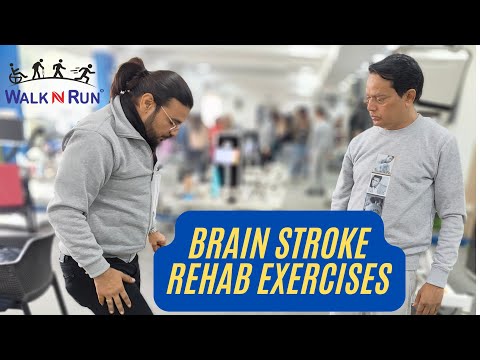
Weight Bearing and Balance Exercises for Stroke Rehabilitation
1-minute workout video. Strength, Low Impact. targeting Legs, Core. low intensity. helps with Rehabilitation / Treatment Support, Muscle Strength.
⏱️ Key Moments
Is this workout right for you?
This is a 2-minute beginner workout for your legs and core. It needs no equipment and is listed for people in stroke rehabilitation. It includes standing balance exercises with hip and knee movements, aimed at building strength on the affected side and improving overall balance. It is low impact and includes a chair option for extra support. Check with your doctor or therapist before you start, especially if you have other health conditions.
Good for
- People working on balance and leg strength as part of stroke rehabilitation with a care team
- Beginners or people with limited mobility who want a short, low impact session
- Anyone who wants a quick routine that needs no equipment and little space
Check first
- Ask your doctor or physical therapist whether standing balance work is right for you now.
- Confirm that standing exercises are appropriate given your balance, strength, and fall risk.
- If you have high blood pressure, ask your doctor what activity level is appropriate for you.
- Ask your care team how this video fits with any exercises they have already given you.
Before you start
- Clear a space with no rugs, cords, or clutter that could make you trip.
- Have a sturdy chair or a countertop nearby to hold onto or sit in.
- Wear supportive shoes with good grip, not socks or loose slippers.
- Keep your phone or water within reach, and stop if you feel dizzy or unwell.
Make it easier
- Use the chair option in the video and keep one or both hands on a sturdy support.
- Keep your feet closer together to start, and widen your stance only when you feel steady.
- Pause between moves and rest in a chair whenever you need to.
- Do the routine near a wall so you can steady yourself if you lose balance.
When it feels easy
- Repeat the 2-minute routine once or twice with rest in between, if your care team agrees.
- Hold onto the support less often, but only once you feel steady and have a helper or safe space nearby.
- Add the routine to a longer session of walking or other light activity you already do.
- Work with your therapist to set a gradual plan that increases difficulty over several weeks.
If you have a health condition
Stroke
This video is listed for stroke rehabilitation, so it may suit some people in recovery. Recovery is very individual. Balance and strength can vary a lot from day to day and from person to person. Work with your stroke care team to decide if this workout fits your current abilities and goals.
Read the full stroke exercise guide →Hypertension
This video is marked for caution with hypertension, which means you should check with your doctor before starting. Standing and leg movements can raise your heart rate and blood pressure for a short time. Ask your doctor what activity level is right for you, and stop if you feel chest pain, severe dizziness, or unusual shortness of breath.
Read the full hypertension exercise guide →How it fits your week
Adults are generally encouraged to aim for 150 minutes of moderate activity a week. This 2-minute workout is short, so it will not meet that goal on its own. It can work as one small part of a weekly plan, especially for balance and leg strength. Many people add it to walks or other activities they already enjoy. Talk with your care team about how often to do it and how to build up over time.
Frequently asked questions about Weight Bearing and Balance Exercises for Stroke Rehabilitation
Is this workout suitable for stroke rehabilitation?▼
This video is listed for stroke rehabilitation and focuses on standing balance and leg strength. Many people in recovery can take part in gentle balance work, but needs vary widely. Ask your stroke care team or physical therapist whether this workout fits your current balance, strength, and fall risk before you begin.
Do I need any equipment for this workout?▼
No equipment is needed for this video. You will use your own body and a sturdy chair or countertop for support if you need it. Choose a clear, flat space with good footing. Wear supportive shoes so you have good grip while you move.
Can I do this workout sitting down?▼
The video includes a chair modification, so some of the routine can be adapted for more support. Sitting may make it easier if standing feels unsteady. Still, check with your doctor or therapist first, since the workout is focused on standing balance. Stop if you feel unsafe at any point.
This guide is general information written by VitalStep from the video's details, not medical advice. Ask your doctor what is right for you.
About the creator
This workout was created by WALK N RUN PHYSIOTHERAPY & REHABILITATION - INDIA and is played from YouTube, so every view counts for the creator's channel. VitalStep adds condition tags, a written guide and safety notes to help you decide whether it fits your health. If you enjoy it, support the creator on YouTube.
Related Workouts
 21:42
Progressive Leg Exercises for Stroke Recovery
Critical Bench Compound
 0:21
Calisthenics at Home for Full Body Strength and Flexibility
Meli
 2:27
Barre for Beginners: Full Body Low Impact Workout for Stress Reduction
Pure Barre
 30:41
30-minute Full Body Chair Workout for Seniors and Beginners
Curtis Adams
 21:01
21-minute Pregnancy-safe Bodyweight Workout for Strength and Flexibility
The Body Coach TV by Joe Wicks
 10:31
10-minute Prenatal Strength Workout for Full Body Muscle Strength
Lauren Fitter
Suitable Conditions
Therapeutic Goals
⚠️ Caution
Consult your doctor if you have: Hypertension