
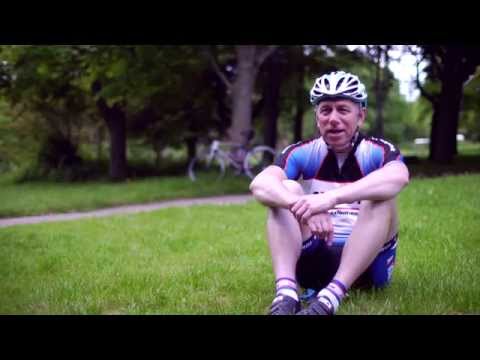
Cycling for Rehabilitation Post Hip Replacement for Full Body Strength
3-minute workout video. Cardio, Low Impact. targeting Full Body, Legs, Hips. low intensity. helps with Rehabilitation / Treatment Support, Muscle Strength.
⏱️ Key Moments
Is this workout right for you?
This 4-minute beginner cardio video focuses on cycling-style movement as a low-impact workout for the whole body, with attention to the legs and hips. Its title and summary say it is aimed at people recovering after hip replacement surgery. No equipment is needed. The intensity is low, and the video is listed for limited mobility and light to moderate activity levels. It is a short option for adding gentle movement to your week, though it is not a full workout on its own.
Good for
- People looking for a short, low-impact cardio session with no equipment needed.
- Adults recovering from hip surgery who have their surgeon's or therapist's go-ahead to move.
- People with limited mobility who want gentle leg and hip movement.
- Anyone working on leg and hip strength gradually, alongside other activity.
Check first
- Ask your surgeon or doctor whether cycling-style movement fits your hip or joint recovery stage.
- Check with your doctor if you have osteoarthritis, since it is listed as a caution condition for this video.
- Stop if you have chest pain, dizziness, or sharp pain in your hip or knee.
- Confirm any movement limits your surgical team gave you before you follow along.
Before you start
- Clear a space where you can sit or lie down and move your legs freely.
- Have a sturdy chair or bed nearby in case you need to stop or steady yourself.
- Wear loose, comfortable clothing and supportive footwear, unless your care team advises otherwise.
- Keep water nearby and rest whenever you need to during the four minutes.
Make it easier
- Move more slowly and use a smaller range of motion if the pace feels like too much.
- Rest whenever you need to, then start again when you feel ready.
- Use a chair back or wall for support if that feels steadier for your balance.
- Split your practice into shorter sessions across the day if your energy is low.
When it feels easy
- Once the four minutes feel comfortable, add a second round or pair it with another short session.
- Build your total weekly time over days, working toward the general target of 150 minutes of moderate activity a week.
- Ask your therapist before adding resistance or changing pace, since this video is low intensity.
If you have a health condition
Osteoarthritis
Osteoarthritis is listed as a caution condition for this video. Low-impact cycling-style movement is often chosen for joint comfort, and many people with osteoarthritis can move this way. Because joint pain changes from day to day, stop if the movement increases your pain, and check with your doctor or physical therapist before starting. This video is not a treatment for osteoarthritis.
Read the full osteoarthritis exercise guide →How it fits your week
Four minutes is a small part of the general target of 150 minutes of moderate activity a week. You might use this video as a warm-up, a gentle break from sitting, or one of several short sessions across the week. Pair it with walking or other activity your care team has approved to build toward a fuller routine. Start with a few days a week and see how your hips and legs respond before adding more.
Frequently asked questions about Cycling for Rehabilitation Post Hip Replacement for Full Body Strength
Is cycling a good exercise after hip replacement?▼
Many people recovering from hip replacement are given low-impact movement options, but the right choice depends on your surgeon's instructions and how far along your recovery is. This video is a short, low-impact session that may suit some people at certain stages. Ask your surgical team before starting, and stop if you feel sharp pain or unusual swelling.
Do I need any equipment for this workout?▼
No equipment is needed for this video. It is listed with equipment as none, so you can follow it in a clear space at home. If you feel unsteady, use a sturdy chair or wall for support. A stable surface and comfortable clothing are usually enough to get started.
Is this workout hard enough to build strength?▼
This video is a beginner, low-intensity session of about four minutes, so it is gentle by design. It lists muscle strength among its goals, but a short low-intensity session on its own may not be enough for most adults. Many people use it as one part of a wider plan. Check with your doctor about adding more activity over time.
This guide is general information written by VitalStep from the video's details, not medical advice. Ask your doctor what is right for you.
About the creator
This workout was created by leonardmlee and is played from YouTube, so every view counts for the creator's channel. VitalStep adds condition tags, a written guide and safety notes to help you decide whether it fits your health. If you enjoy it, support the creator on YouTube.
Related Workouts
 14:45
14-minute Low Impact Cardio for Heart Health
Senior Fitness With Meredith
 16:46
15-minute Full Body Stretching for Sore Muscles and Recovery
LeoMoves
 9:28
Cycling Biomechanics for Rehabilitation of Lower Body Muscles
CRUZ Control
 37:24
Low Impact Steady State Cardio Workout for Full Body Health
Caroline Girvan
 8:46
8-minute Joint Mobility Exercises for Flexibility and Pain Relief
Calisthenicmovement
 16:46
Prehab Exercises for Injury Prevention and Muscle Strength
Jason and Lauren
Suitable Conditions
Therapeutic Goals
⚠️ Caution
Consult your doctor if you have: Osteoarthritis