
Fatty Liver & Obesity Exercise Plan for Men 40-49, BMI 35-39
7-Day Weight Control and Fat Loss Program
Morning Workout - Easy Walking
Easy walking on flat ground at a comfortable talking pace. Walk 5 minutes, rest 1 minute standing still, then walk 5 more minutes. Drink 8 oz (250 ml) of water before starting. Do before breakfast or at least 1 hour after eating. Intensity: Light.
Office Movement Breaks (if office work)
Seated marching 2 minutes; shoulder rolls 1 minute (10 forward, 10 backward); standing calf raises holding a desk 1 minute (10 to 15 reps); walk around the office 2 minutes at an easy pace.
Afternoon Workout - Seated Leg and Ankle Exercises
Sit on a sturdy chair about 18 inches (45 cm) high. Ankle pumps: 2 sets x 15 reps per foot. Seated knee extensions: 2 sets x 10 reps per leg, holding 2 seconds. Chair sit-to-stand (use armrests if needed): 2 sets x 8 reps. Rest 30 seconds between sets. Do 1 to 2 hours after lunch. Intensity: Light.
Evening Workout - Walking and Gentle Stretching
Walk 10 minutes at a comfortable pace, then stretch 5 minutes: wall calf stretch 30 seconds per leg, seated hamstring stretch 30 seconds per leg, gentle chest opener with hands behind back 30 seconds. Do at least 2 hours after dinner. Avoid stretching to pain. Intensity: Light.
Morning Workout - Brisk Walking
Walk 12 minutes on flat ground at a slightly faster pace where you can talk but feel slightly out of breath. Drink 8 oz (250 ml) of water before walking. Stop if dizzy or short of breath. Intensity: Light.
Office Movement Breaks (if office work)
Chair squats 2 minutes (8 to 10 slow reps); neck stretches 1 minute gently tilting head side to side; wrist and finger stretches 1 minute; walk in place 2 minutes at a relaxed pace.
Afternoon Workout - Seated Upper Body Exercises
Seated arm raises with light water bottles (16 oz or 500 ml): 2 sets x 10 reps. Seated row with resistance band or towel: 2 sets x 10 reps. Seated torso twists, gentle and slow: 2 sets x 8 reps per side. Do 1 to 2 hours after lunch. Keep breathing steady. Intensity: Light.
Evening Workout - Walking
Walk at an easy pace for 15 minutes with a 1-minute rest at the midpoint if needed. Walk at least 2 hours after dinner to help with blood sugar control. Intensity: Light.
Morning Workout - Walking with Light Strength
Walk 12 minutes at a steady pace. Wall push-ups: 2 sets x 10 reps, standing about 2 feet (60 cm) from a wall, hands at shoulder height, pushing in and out slowly. Do before breakfast or 1 hour after eating. Intensity: Light to Medium.
Office Movement Breaks (if office work)
Standing hip marches 2 minutes; desk push-ups 1 minute (8 to 10 reps); stair climb or hallway walk 2 minutes at an easy pace; standing back stretch 1 minute reaching arms overhead.
Afternoon Workout - Partial Squats and Bridges
Partial squats holding a chair: 2 sets x 8 reps, bending knees about 30 to 45 degrees. Glute bridges lying on back: 2 sets x 10 reps, lifting and lowering slowly. Rest 1 minute between exercises. Do 1 to 2 hours after lunch. Stop if knee or back pain. Intensity: Light to Medium.
Evening Workout - Walking and Breathing
Walk 10 minutes, then 5 minutes of slow belly breathing: inhale through nose for 4 seconds, exhale through mouth for 6 seconds. Relaxed breathing can help lower stress and blood pressure. Intensity: Light.
Morning Workout - Continuous Walking
Walk 18 minutes at a steady pace where you can speak in short sentences. If possible, walk a route of about 0.5 mile (800 m). Drink 8 oz (250 ml) of water before walking and keep water nearby. Intensity: Light to Medium.
Office Movement Breaks (if office work)
Seated leg lifts 2 minutes (10 reps per leg); standing calf raises 1 minute (15 reps); shoulder blade squeezes 1 minute, holding each for 3 seconds; walk to get water 2 minutes at a relaxed pace.
Afternoon Workout - Seated and Standing Core
Seated abdominal draw-in: 2 sets x 10 holds of 5 seconds, breathing normally. Standing side bends: 2 sets x 8 reps per side, holding a chair or wall. Standing marching in place 2 minutes. Do 1 to 2 hours after lunch. Avoid holding your breath. Intensity: Light.
Evening Workout - Light Walking and Full-Body Stretch
Walk 10 minutes, then 5 minutes of stretching: hamstring stretch, quad stretch holding a chair, and child's pose on the floor if comfortable. Do at least 2 hours after dinner. Intensity: Light.
Morning Workout - Walking with Arm Swings
Walk 20 minutes at a pace where breathing is slightly faster but comfortable. Swing arms naturally. Include 1-minute slow-walk recovery breaks every 7 minutes. Drink 8 oz (250 ml) of water before walking. Avoid hot or humid days. Intensity: Medium.
Office Movement Breaks (if office work)
Standing calf raises 1 minute (15 reps); seated torso twists 1 minute, slow and controlled; hallway walk 3 minutes at an easy pace; chair squats 1 minute (8 reps).
Afternoon Workout - Chair-Based Strength Circuit
Complete 2 rounds, resting 1 minute between rounds: chair sit-to-stand 10 reps; wall push-ups 10 reps; seated knee extensions 10 reps per leg; glute bridges 10 reps. Do 1 to 2 hours after lunch. Stop if very tired or dizzy. Intensity: Light to Medium.
Evening Workout - Easy Walk and Cool-Down
Walk 10 minutes at an easy pace, then 5 minutes of stretching including calf, hamstring, and chest stretches. Walk at least 2 hours after dinner. Intensity: Light.
Morning Workout - Longer Walk
Walk 25 minutes at a steady pace with one 1-minute slower recovery break halfway through. Work toward a route of about 1 mile (1.6 km) over time. Drink 8 oz (250 ml) of water before walking and carry water. Intensity: Medium.
Office Movement Breaks (if office work)
Desk stretch 2 minutes reaching overhead and to each side; chair squats 1 minute (8 to 10 reps); walk around the building 3 minutes at a relaxed pace; ankle circles 1 minute per foot.
Afternoon Workout - Gentle Strength and Balance
Partial squats holding a chair: 2 sets x 8 reps. Standing single-leg balance holding a chair: 2 sets x 20 seconds per leg. Wall push-ups: 2 sets x 10 reps. Do 1 to 2 hours after lunch. Keep a chair or wall nearby for safety. Intensity: Light to Medium.
Evening Workout - Relaxed Walk and Stretching
Walk 10 minutes, then stretch 5 minutes, holding each stretch 30 seconds. Do at least 2 hours after dinner. Avoid alcohol today, as it can worsen fatty liver. Intensity: Light.
Morning Workout - Optional Easy Walk (Rest Day)
Optional short, relaxed walk on flat ground if you feel good. Skip entirely if you prefer to rest. Rest is an important part of recovery. Intensity: Light.
Office Movement Breaks (if office work)
Not needed today if you do not work on Sundays. If you do work, use a 2-minute easy walk and 1 minute of shoulder rolls.
Afternoon Workout - Gentle Stretching and Rest
Gentle full-body stretches, holding each 20 to 30 seconds: calf, hamstring, hip, and chest. Breathe slowly. Rest for the remainder of the afternoon. Good sleep and hydration help the liver and metabolism recover. Intensity: Light.
Evening Workout - Relaxation and Planning
Sit comfortably and do 10 minutes of slow breathing. Review the week: energy, sleep, walking time, and any discomfort. Plan next week's walking route and times. Aim for 7 to 9 hours of sleep. Gradually increase walking time by 2 to 3 minutes per week as comfortable. Intensity: Light.
Who this plan is for
This plan was built for men 40-49 living with Fatty Liver, Obesity, starting from a light activity activity level, with these goals: Weight Control / Fat Loss. If your age, health or fitness is different, use it as a starting point and adjust, or build a free plan for your own profile.
Exercise guides: Exercise for Fatty Liver (MASLD) · Exercise for Weight Management
The week at a glance
28 sessions on 7 days, 326 minutes in total; sessions last 3–25 minutes.
About 240 of these minutes are walking or other cardio, which count toward the WHO guideline of 150 minutes of moderate aerobic activity a week (160% of it, if done at a pace that makes you breathe a little harder). Strength work appears on 4 days; WHO recommends muscle strengthening on 2 or more days a week. Stretching and breathing sessions help mobility and relaxation but are not counted here.
| Day | Sessions | Minutes | Main activities |
|---|---|---|---|
| Monday | 4 | 41 | Walking |
| Tuesday | 4 | 43 | Walking, Strength |
| Wednesday | 4 | 48 | Walking, Strength |
| Thursday | 4 | 49 | Walking, Breathing & relaxation |
| Friday | 4 | 53 | Walking, Strength |
| Saturday | 4 | 59 | Walking, Strength |
| Sunday | 4 | 33 | Walking, Stretching, Breathing & relaxation |
Minutes by activity: Walking 240 · Strength 46 · Breathing & relaxation 20 · Stretching 10.
Safety notes
- Check with your doctor or physiotherapist before starting, especially with heart disease, uncontrolled blood pressure or blood sugar, recent surgery or new pain.
- Keep to a pace where you can talk. Mild muscle effort is normal; sharp or increasing pain is a sign to stop.
Stop and get help if you notice
- Chest pain, pressure or tightness, or pain spreading to your arm, jaw, neck or back
- Shortness of breath that is much worse than usual or does not ease with rest
- Dizziness, lightheadedness or feeling like you might faint
- A heartbeat that feels very fast, pounding or irregular
- Chest pain, pressure or tightness, or discomfort spreading to your arm, jaw, neck or back
- Shortness of breath so severe you cannot speak, or that does not ease after a few minutes of rest
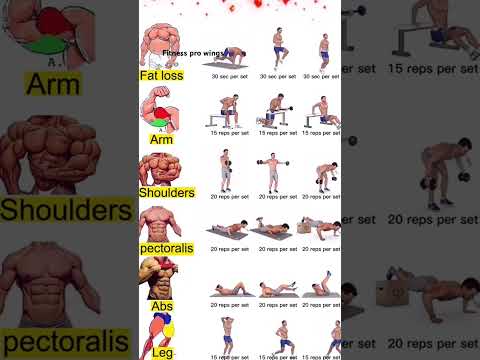
Beginner follow-along videos

Similar plans
- Diabetes & Obesity Exercise Plan for Men 50-5921 sessions · 315 min a week
- Overweight Exercise Plan for Women 50-5921 sessions · 335 min a week
- Fatty Liver & Obesity Exercise Plan for Men 50-5921 sessions · 305 min a week
- Diabetes & Obesity Exercise Plan for Women 50-5921 sessions · 329 min a week
- Obesity Exercise Plan for Men 50-5921 sessions · 335 min a week
- Obesity & High Blood Pressure Exercise Plan for Men 50-5921 sessions · 375 min a week
How this plan was made
VitalStep’s AI generated this plan from the profile above (age group, gender, health conditions, goals and activity level), using general exercise guidance for those conditions. It was selected by the VitalStep team as a starter plan for this group. It has not been reviewed by a clinician for any individual and is general information, not medical advice.