
Diabetes & Obesity Exercise Plan for Women 50-59
7-Day Diabetes-Friendly Workout
Morning Workout - Brisk Walking
Walk at a pace where you can still talk, but feel slightly out of breath. Keep arms swinging naturally. Maintain good posture. Best done after a light breakfast and checking blood sugar.
Afternoon Workout - Seated Marching
Sit on a sturdy chair, lift one knee at a time as if marching. Alternate legs, keeping a steady rhythm. Aim for 3 sets of 20 marches per leg. Can be done after lunch to help control blood sugar spikes.
Evening Workout - Chair Squats
Stand in front of a chair, feet hip-width apart. Lower down as if to sit, then stand back up just before touching the chair. Do 3 sets of 10 repetitions with rest between sets. Avoid if knees are painful.
Morning Workout - Low-Impact Aerobic Video
Follow a beginner’s aerobic routine, focusing on step touches, gentle kicks, and arm swings. Wear supportive shoes, keep water nearby.
Afternoon Workout - Wall Push-Ups
Stand facing a wall, hands shoulder-width apart on the wall. Bend elbows to bring your chest toward the wall, then push back. Do 3 sets of 10 reps. Rest as needed between sets.
Evening Workout - Relaxation Stretching
Gentle full-body stretches: neck rolls, shoulder circles, side bends, calf stretches, hamstring stretches. Hold each position for 15-20 seconds. Helps reduce stress and lower evening blood sugar.
Morning Workout - Brisk Walking
Walk at a steady pace, swinging arms, focusing on deep breathing. Try a slightly faster pace than Day 1 if comfortable. Check blood sugar before and after.
Afternoon Workout - Step-Ups
Step up onto the step with one foot, then the other, then step down. Alternate lead leg. Do 3 sets of 10 reps per leg. Use a railing for balance if needed.
Evening Workout - Seated Yoga or Deep Breathing
Seated spinal twist, gentle side stretches, finish with deep belly breathing. Calms the nervous system, aids blood sugar control.
Morning Workout - Stationary Cycling or Marching in Place
Pedal at a steady, moderate pace, or march in place lifting knees high and pumping arms. Do after a light snack if fasting glucose is low.
Afternoon Workout - Standing Side Leg Raises
Stand behind a chair for support. Lift one leg to the side, lower with control. Do 2 sets of 12 reps per leg. Improves hip strength and balance.
Evening Workout - Gentle Stretching or Tai Chi
Follow a simple Tai Chi or stretching video, focusing on smooth, slow movements. Reduces stress hormones.
Morning Workout - Brisk Walking
Maintain a steady pace, walk on even ground, take breaks if needed. Monitor blood sugar, hydrate well.
Afternoon Workout - Seated Arm Curls
Sit upright, hold water bottles, curl arms up and lower. Do 3 sets of 12 reps. Rest between sets.
Evening Workout - Gentle Core Activation
Seated: tighten belly muscles for 5 seconds, release (10 reps). Lying: Do pelvic tilts or gentle knee-to-chest holds. Avoid holding breath.
Morning Workout - Outdoor Activity
Walk in the park or do light gardening (raking, planting) at a steady but comfortable pace. Enjoy nature, stay hydrated.
Afternoon Workout - Standing Wall Slides
Stand with back against the wall, slowly slide down into a mini squat, hold for 3 seconds, return up. Do 2 sets of 10 reps. Keep knees in line with toes.
Evening Workout - Relaxation Stretching and Deep Breathing
Gentle stretches followed by 5 minutes of slow, deep breathing. Promotes good sleep, reduces cravings.
Morning Workout - Restorative Walk or Leisurely Bike Ride
Walk or ride at a gentle pace, focus on enjoyment and relaxation rather than speed. This is a recovery day.
Afternoon Activity - Gentle Stretching or Rest
Repeat favorite stretches from earlier in the week or simply rest. Use this time for self-care.
Evening Activity - Breathing Exercises or Meditation
Sit or lie comfortably, take slow, deep breaths, or follow a guided meditation. Helps lower stress and blood sugar.
Who this plan is for
This plan was built for women 50-59 living with Diabetes, Obesity, starting from a light activity activity level, with these goals: Blood Sugar / Metabolism Control, Weight Control / Fat Loss. If your age, health or fitness is different, use it as a starting point and adjust, or build a free plan for your own profile.
Exercise guides: Exercise for Diabetes · Exercise for Weight Management
The week at a glance
21 sessions on 7 days, 329 minutes in total; sessions last 10–30 minutes.
About 197 of these minutes are walking or other cardio, which count toward the WHO guideline of 150 minutes of moderate aerobic activity a week (131% of it, if done at a pace that makes you breathe a little harder). Strength work appears on 4 days; WHO recommends muscle strengthening on 2 or more days a week. Stretching and breathing sessions help mobility and relaxation but are not counted here.
| Day | Sessions | Minutes | Main activities |
|---|---|---|---|
| Monday | 3 | 40 | Walking, Low-impact cardio, Strength |
| Tuesday | 3 | 45 | Low-impact cardio, Strength, Stretching |
| Wednesday | 3 | 50 | Walking, Low-impact cardio, Yoga & tai chi |
| Thursday | 3 | 45 | Cycling, Strength, Stretching |
| Friday | 3 | 47 | Walking, Swimming & water, Breathing & relaxation |
| Saturday | 3 | 55 | Walking, Strength, Stretching |
| Sunday | 3 | 47 | Walking, Stretching, Breathing & relaxation |
Minutes by activity: Walking 127 · Stretching 57 · Low-impact cardio 40 · Strength 40 · Cycling 20 · Breathing & relaxation 20 · Yoga & tai chi 15 · Swimming & water 10.
Safety notes
- Check with your doctor or physiotherapist before starting, especially with heart disease, uncontrolled blood pressure or blood sugar, recent surgery or new pain.
- Keep to a pace where you can talk. Mild muscle effort is normal; sharp or increasing pain is a sign to stop.
Stop and get help if you notice
- Chest pain, pressure or tightness, or pain spreading to your arm, jaw, neck or back
- Signs of low blood sugar: shakiness, sweating, confusion, blurred vision or sudden weakness (stop, check your glucose and treat it)
- Shortness of breath that is much worse than usual or does not ease with rest
- Dizziness, lightheadedness or feeling like you might faint
- Chest pain, pressure or tightness, or discomfort spreading to your arm, jaw, neck or back
- Shortness of breath so severe you cannot speak, or that does not ease after a few minutes of rest
- A heartbeat that feels very fast, pounding or irregular
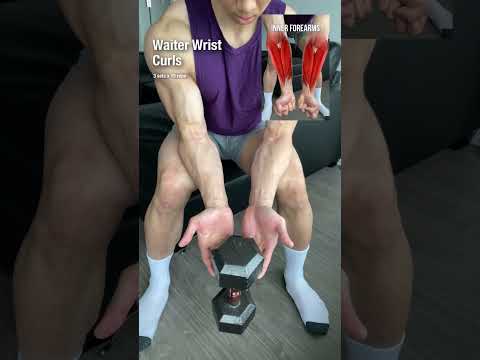
Beginner follow-along videos


Similar plans
- Diabetes & Obesity Exercise Plan for Men 50-5921 sessions · 315 min a week
- Overweight Exercise Plan for Women 50-5921 sessions · 335 min a week
- Fatty Liver & Obesity Exercise Plan for Men 50-5921 sessions · 305 min a week
- Obesity Exercise Plan for Men 50-5921 sessions · 335 min a week
- Obesity & High Blood Pressure Exercise Plan for Men 50-5921 sessions · 375 min a week
- Obesity Exercise Plan for Women 50-5921 sessions · 280 min a week
How this plan was made
VitalStep’s AI generated this plan from the profile above (age group, gender, health conditions, goals and activity level), using general exercise guidance for those conditions. It was selected by the VitalStep team as a starter plan for this group. It has not been reviewed by a clinician for any individual and is general information, not medical advice.