
Diabetes Exercise Plan for Men 50-59
7-Day Moderate Activity Program for Men 50-59
Morning Workout - Brisk Walking
Walk at a pace where you can still hold a conversation, but feel your heart rate increase. Swing your arms naturally and keep a steady stride. Best done after a light breakfast to avoid low blood sugar.
Afternoon Workout - Seated Leg Extensions
Sit on a chair. Slowly extend one leg out straight, hold for 2 seconds, then lower. Alternate legs. Do 2 sets x 12 reps per leg. Can be done at your desk or home.
Evening Workout - Resistance Band Rows
Sit or stand. Hold the resistance band handles, anchor the band at foot level, and pull handles towards your torso, squeezing shoulder blades together. Slowly release. Do 3 sets x 12 reps. Perform at least 1-2 hours after dinner.
Morning Workout - Stationary Cycling
Use a stationary bike. Maintain a steady pace, adjusting resistance if possible for a light sweat. Eat a small snack if fasting to prevent low blood sugar.
Afternoon Workout - Wall Push-Ups
Stand facing a wall, arms shoulder-width apart. Lean in, bend elbows, and push back. Do 3 sets x 10 reps. Rest 1 minute between sets.
Evening Workout - Gentle Stretching/Yoga
Stretch your hamstrings, calves, arms, back, and shoulders. Hold each stretch for 20-30 seconds. Try gentle yoga poses like Child’s Pose and Cat-Cow. Helps relaxation before sleep.
Morning Workout - Brisk Walking with Intervals
Walk briskly for 4 minutes, then increase speed for 1 minute (as able). Repeat 5 times. Eat a small, balanced breakfast before.
Afternoon Workout - Seated Calf Raises
Sit in a chair, feet flat. Lift both heels as high as possible, hold 2 seconds, lower. Do 3 sets x 15 reps. Can be done during work breaks.
Evening Workout - Bodyweight Squats
Stand feet shoulder-width apart. Bend knees and lower hips as if sitting, keeping chest up. Push back up. Do 3 sets x 10 reps. Rest 1-2 minutes between sets.
Morning Workout - Low Impact Aerobics
March in place, step side to side, gentle knee lifts, and arm movements. Follow a beginner video if needed. Eat a light snack if needed.
Afternoon Workout - Desk Shoulder Press
Sit or stand, hold weights at shoulders, press overhead, lower down. Do 2 sets x 12 reps. Use light weights, focus on good form.
Evening Workout - Gentle Stretching
Focus on areas that feel tight—shoulders, neck, lower back, hamstrings. Helps with muscle recovery.
Morning Workout - Brisk Walking or Outdoor Cycling
Choose a safe route, maintain steady pace, focus on deep breathing. Eat a light snack if blood sugar is low in the morning.
Afternoon Workout - Standing Side Leg Raises
Stand, hold onto a chair for support, lift one leg to the side, lower. Alternate legs. Do 2 sets x 12 reps per leg. Improves balance and hip strength.
Evening Workout - Seated Marching
Sit on a chair, march legs up and down as if walking. Keep a steady pace. Gentle movement to finish the day.
Morning Workout - Brisk Nature Walk
Walk at a steady pace, enjoy the outdoors, focus on posture and breathing. Optionally invite a friend or family for motivation.
Afternoon Workout - Light Resistance Band Exercises
For curls, stand on band, hold handles, curl up. For triceps, anchor band overhead, pull down. Do 2 sets x 12 reps each. Focus on slow, controlled movements.
Evening Workout - Relaxation Breathing and Stretching
Deep breathing (inhale 4 seconds, exhale 6 seconds), then gentle stretching of arms, legs, back. Reduces stress, helps blood sugar control.
Morning Workout - Optional Active Recovery
Choose a relaxing walk or follow a beginner yoga/stretching video. This is a recovery day—focus on gentle movement.
Afternoon Activity - Rest or Short Walk
If you feel up to it, take a slow, easy walk. Listen to your body—rest if needed.
Evening Activity - Guided Relaxation or Meditation
Sit or lie down, close eyes, focus on slow breathing or follow an audio guide. Helps reduce stress for better health.
Who this plan is for
This plan was built for men 50-59 living with Diabetes, starting from a light activity activity level, with these goals: Blood Sugar / Metabolism Control, Weight Control / Fat Loss. If your age, health or fitness is different, use it as a starting point and adjust, or build a free plan for your own profile.
Exercise guides: Exercise for Diabetes
The week at a glance
21 sessions on 7 days, 372 minutes in total; sessions last 10–35 minutes.
About 217 of these minutes are walking or other cardio, which count toward the WHO guideline of 150 minutes of moderate aerobic activity a week (145% of it, if done at a pace that makes you breathe a little harder). Strength work appears on 6 days; WHO recommends muscle strengthening on 2 or more days a week. Stretching and breathing sessions help mobility and relaxation but are not counted here.
| Day | Sessions | Minutes | Main activities |
|---|---|---|---|
| Monday | 3 | 60 | Walking, Strength |
| Tuesday | 3 | 45 | Cycling, Strength, Stretching |
| Wednesday | 3 | 55 | Walking, Strength |
| Thursday | 3 | 45 | Low-impact cardio, Strength, Stretching |
| Friday | 3 | 55 | Walking, Strength, Low-impact cardio |
| Saturday | 3 | 60 | Walking, Strength, Stretching |
| Sunday | 3 | 52 | Walking, Breathing & relaxation |
Minutes by activity: Walking 162 · Strength 95 · Stretching 45 · Low-impact cardio 35 · Cycling 20 · Breathing & relaxation 15.
Safety notes
- Check with your doctor or physiotherapist before starting, especially with heart disease, uncontrolled blood pressure or blood sugar, recent surgery or new pain.
- Keep to a pace where you can talk. Mild muscle effort is normal; sharp or increasing pain is a sign to stop.
Stop and get help if you notice
- Chest pain, pressure or tightness, or pain spreading to your arm, jaw, neck or back
- Signs of low blood sugar: shakiness, sweating, confusion, blurred vision or sudden weakness (stop, check your glucose and treat it)
- Shortness of breath that is much worse than usual or does not ease with rest
- Dizziness, lightheadedness or feeling like you might faint
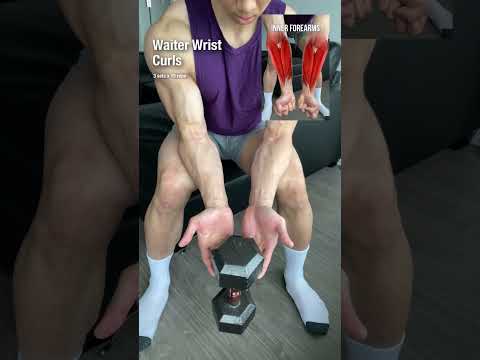
Beginner follow-along videos


Similar plans
- Diabetes & Obesity Exercise Plan for Men 50-5921 sessions · 315 min a week
- Diabetes & Obesity Exercise Plan for Women 50-5921 sessions · 329 min a week
- Diabetes & High Blood Pressure Exercise Plan for Men 50-5921 sessions · 320 min a week
- Diabetes & Gout Exercise Plan for Men 50-5921 sessions · 270 min a week
- Diabetes Exercise Plan for Women 50-5921 sessions · 325 min a week
- Overweight & Prediabetes Exercise Plan for Men 50-5926 sessions · 403 min a week
How this plan was made
VitalStep’s AI generated this plan from the profile above (age group, gender, health conditions, goals and activity level), using general exercise guidance for those conditions. It was selected by the VitalStep team as a starter plan for this group. It has not been reviewed by a clinician for any individual and is general information, not medical advice.