
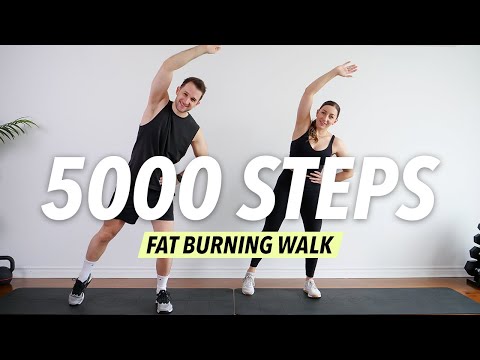
Walking Hiit for Fat Loss - Full Body Workout
35-minute workout video. Cardio, HIIT. targeting Full Body. medium intensity. helps with Weight Control / Fat Loss, Cardiovascular Endurance.
⏱️ Key Moments
Is this workout right for you?
This is a 35-minute, no-equipment cardio workout labeled as walking HIIT, aimed at weight control and cardiovascular endurance. It is rated beginner level with medium intensity and works the whole body. The video uses low-impact movement and includes rest periods. Because it is a set of walking intervals and dynamic movements, you can often adjust the pace to match your energy on a given day.
Good for
- Adults who want a full-body cardio session at home without equipment
- People who prefer low-impact options over jumping or running
- Those working on weight control and cardiovascular endurance as goals
- Beginners who want built-in rest periods between harder efforts
- People who already walk regularly and want a more varied session
Check first
- Intervals raise your heart rate, so this workout is more demanding than a steady walk.
- The video is rated medium intensity, so start with less effort if you are new to exercise.
- Plan for 35 minutes, plus time to warm up and cool down if you need it.
- Have water nearby and stop if you feel dizzy, short of breath, or have chest pain.
- Clear the floor of objects so you can move safely during faster sections.
Before you start
- Talk with your doctor before starting, especially if you have a heart, blood pressure, or weight-related health condition.
- Wear supportive athletic shoes that grip the floor well.
- Choose a space with enough room to move in a small circle without bumping furniture.
- Keep a chair or wall nearby in case you need to steady yourself.
- Check your blood pressure or pulse if you have a home monitor and your doctor has asked you to.
Make it easier
- Keep the walking pace slower during the higher-effort intervals.
- Take extra rest between sections, or pause the video when you need to.
- Use a wall or chair for light support if balance feels uncertain.
- Shorten your session by stopping after part of the video and building up over time.
- Focus on steady breathing and skip any movement that causes pain.
When it feels easy
- Increase your walking speed during the faster intervals once the session feels comfortable.
- Reduce your rest breaks between intervals.
- Add arm movement or use a bit more range of motion as you get stronger.
- Repeat the full video on a second day after your body has adjusted.
- Track your effort so you can see steady progress across several weeks.
If you have a health condition
Heart Failure
This video is listed as a caution for heart failure. Many people with heart failure can do light activity, but you should get clear approval from your doctor first. Ask which heart rate or effort level is safe for you, and stop right away if you feel unusual breathlessness, swelling, or chest discomfort.
Read the full heart failure exercise guide →Chronic Back Pain / Disc Herniation
This video is listed as a caution for chronic back pain or disc herniation. Some people with back issues find low-impact movement helpful, but the right choice depends on your condition. Ask your doctor or physical therapist before starting, and avoid any movement that increases pain or radiates into your legs.
Read the full chronic back pain / disc herniation exercise guide →Obesity
This video is listed for people with obesity. Walking-based intervals can be a practical way to add activity without high impact. Many adults aim for 150 minutes of moderate activity a week, and this session can count toward that total. Build up slowly and talk with your doctor about your overall plan.
Read the full obesity exercise guide →Overweight
This video is listed for people who are overweight. A low-impact, full-body session may fit well into a gradual routine. Pair it with regular walking on other days when you can. Track how you feel over time rather than focusing only on the scale.
Read the full overweight exercise guide →How it fits your week
Many adults aim for 150 minutes of moderate activity a week. At 35 minutes, this workout could fit three to four times a week and add a good share of that total. Leave at least one day for rest or gentler activity. If you are new, start with two sessions a week and build up as your energy and recovery allow. Check with your doctor about how often is right for you.
Frequently asked questions about Walking Hiit for Fat Loss - Full Body Workout
Is walking HIIT safe for beginners?▼
Many beginners can try this type of workout because it is rated beginner level and uses low-impact movement. Intervals raise your heart rate, so start at a gentler pace and take the rest periods. If you have a heart, back, or blood pressure condition, talk with your doctor before you begin.
Do I need equipment for this workout?▼
No equipment is listed for this video. You can do it in a clear space at home using only your body. Wear supportive shoes and keep a chair or wall nearby for balance if needed.
How often should I do a 35-minute HIIT walking workout?▼
Many adults start with two to three sessions a week and add more as they recover well. Take at least one rest day between sessions when you are new. Pay attention to soreness, sleep, and energy levels. Adjust the schedule based on advice from your doctor.
This guide is general information written by VitalStep from the video's details, not medical advice. Ask your doctor what is right for you.
About the creator
This workout was created by Tess & Yoann and is played from YouTube, so every view counts for the creator's channel. VitalStep adds condition tags, a written guide and safety notes to help you decide whether it fits your health. If you enjoy it, support the creator on YouTube.
More from Tess & Yoann on VitalStep
Related Workouts
 36:59
Cardio Hiit Workout for Full Body Fat Loss
Nobadaddiction
 20:33
Cardio Hiit Workout for Full Body Strength and Endurance
Nobadaddiction
 46:38
Full Body Workout for Weight Control and Muscle Strength
Rowan Row
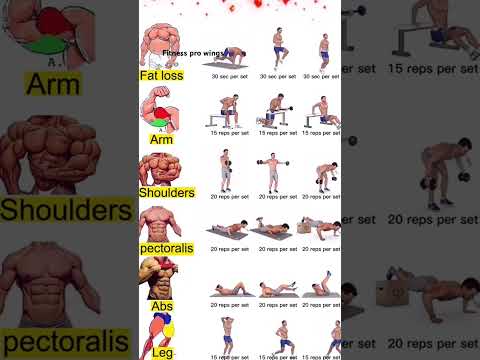 0:06
Full Body Workout at Home for Weight Control
Fitness pro wings
 25:05
25-minute Full Body Circuit Workout for Weight Control
Roberta's Gym
 23:30
Full Body Strength and Conditioning for Muscle Strength and Cardiovascular Endurance
Kaleigh Cohen Strength
Suitable Conditions
Therapeutic Goals
⚠️ Caution
Consult your doctor if you have: Heart Failure, Chronic Back Pain / Disc Herniation