
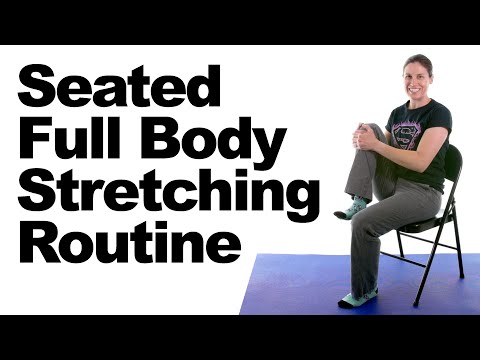
Relaxing Full Body Stretching Routine for Stress Reduction, Seated
12-minute workout video. Stretching, Low Impact, Cool Down. targeting Full Body, Neck, Back, Hips, Legs. low intensity. helps with Stress Reduction / Better Sleep, Flexibility / Range of Motion.
⏱️ Key Moments
Is this workout right for you?
This 13-minute seated stretching routine is a low impact, beginner-level cool down. It is built around stretches for the neck, upper back, lower back, hips, and legs, and it needs only a chair. The intensity is low and the routine includes rest periods. It is listed for anxiety disorders and depression, with a focus on stress relief, relaxation, and better sleep. Many people with limited mobility can take part while seated. If you have back or neck concerns, check with your doctor first.
Good for
- People who want a short, gentle session to help them unwind after a long day
- Beginners or people who are new to stretching and want an easy starting point
- Adults with limited mobility who prefer to exercise while seated in a chair
- People looking to improve flexibility and range of motion without standing or jumping
- Anyone who wants a calming routine that may help with stress or winding down before bed
Check first
- This video is listed for anxiety disorders and depression, but it does not replace treatment from your care team.
- It is marked as a caution for chronic back pain or disc herniation. Ask your doctor whether seated stretching of the back is right for you.
- It is also marked as a caution for neck and shoulder pain. Talk with your doctor before you start if these areas are sore or injured.
- If you have recently had surgery, a fall, or a new injury, get clearance from your doctor before starting any stretching routine.
- Stop if you feel sharp pain, numbness, tingling, dizziness, or chest discomfort, and seek medical help if symptoms continue.
Before you start
- Choose a sturdy chair without wheels that will not slide or tip when you lean or reach.
- Sit near a wall or clear space so you have room to move your arms and legs safely.
- Wear loose, comfortable clothing and have a glass of water nearby.
- Plan to take the full 13 minutes, including the rest periods, so you do not rush your stretches.
- Let your breathing stay slow and steady, and never hold your breath while you stretch.
Make it easier
- Stretch only as far as feels comfortable, and ease off well before you feel any pinch or pain.
- Take extra pauses during the rest periods, or pause the video whenever you need a break.
- Sit toward the front edge of the chair with your feet flat on the floor for more stability.
- Skip any stretch that bothers a sore area, such as your neck or lower back, and continue with the rest.
- Try the routine just once a day at first, then add more sessions as your body adjusts.
When it feels easy
- Hold each stretch for the full time the video suggests, rather than shortening it, once you feel steady.
- Add a second 13-minute session later in the day if you enjoy the routine and feel no discomfort afterward.
- Pair the routine with a short walk or a gentle standing activity to add more movement to your day.
- Practice the routine regularly over several weeks so you can notice gradual changes in how easily you move.
- Build up to a more active session only after you have checked with your doctor and your body feels ready.
If you have a health condition
Chronic Back Pain / Disc Herniation
This video is marked as a caution for chronic back pain or disc herniation. Many people with back pain can do gentle seated work, but the back is part of this routine. Go slowly, stay within a comfortable range, and skip any stretch that causes pain that travels down the leg or feels worse. Ask your doctor or physical therapist whether this routine fits your condition before you begin.
Read the full chronic back pain / disc herniation exercise guide →Neck & Shoulder Pain
This video is marked as a caution for neck and shoulder pain, and the neck is one of the main areas it targets. Move gently, keep your range small at first, and stop if you feel sharp pain, dizziness, or pain that spreads into your arms. Check with your doctor before starting if your neck or shoulders are injured or are a frequent source of pain.
Read the full neck & shoulder pain exercise guide →Anxiety Disorders
This video is listed for anxiety disorders and is designed to be slow, calm, and low in intensity. Many people find slow stretching and steady breathing helpful for settling the body. It is not a treatment for anxiety, though. Keep working with your mental health care team, and reach out for urgent help if your symptoms feel severe or unsafe.
Read the full anxiety disorders exercise guide →How it fits your week
This 13-minute routine is a good fit as a daily cool down or a calming break. It can help you add gentle movement on days when you have little energy for harder exercise. The general adult target is 150 minutes of moderate activity a week, and this video alone is unlikely to reach it. Think of it as one part of your week. Pair it with walking, cycling, or other activity you can do at a comfortable pace.
Frequently asked questions about Relaxing Full Body Stretching Routine for Stress Reduction, Seated
Is seated stretching good for beginners?▼
Yes, seated stretching is often a good starting point for beginners because it is low impact and uses only a chair. This video is rated beginner level and low intensity. It is designed to be gentle, so you can move at your own pace. Start slowly, stay within a comfortable range, and stop if anything feels painful or wrong.
Can stretching help with stress and sleep?▼
Stretching may help some people feel more relaxed, and slow movement paired with steady breathing can support a calmer mood. This video lists stress reduction and better sleep as goals. Results vary from person to person. If stress or sleep problems are ongoing, talk with your doctor or mental health provider about the best care plan for you.
Should I do this video if I have back or neck pain?▼
Check with your doctor before you start if you have back or neck pain. This video is marked as a caution for chronic back pain, disc herniation, and neck or shoulder pain. Some people with these concerns do gentle seated stretching with medical guidance. Stop right away if you feel sharp pain, numbness, or tingling, and do not push through discomfort.
This guide is general information written by VitalStep from the video's details, not medical advice. Ask your doctor what is right for you.
About the creator
This workout was created by AskDoctorJo and is played from YouTube, so every view counts for the creator's channel. VitalStep adds condition tags, a written guide and safety notes to help you decide whether it fits your health. If you enjoy it, support the creator on YouTube.
More from AskDoctorJo on VitalStep
 37:51
Full Body Stretching Routine for Flexibility and Pain Relief
 5:26
5-minute Osteoporosis Exercises for Muscle Strength and Bone Health
 6:05
Osteoporosis Exercises to Protect Your Spine and Build Strength
 7:23
Osteoporosis Exercises to Maintain Strong Bones in Seated Position
 12:22
Seated Stretches for Fibromyalgia & Chronic Pain Relief - 12 Minutes
 11:27
Gentle Standing Stretches for Chronic Pain and Fibromyalgia Relief
Related Workouts
 3:02
3-minute Full Body Stretching for Stress Reduction
Fox News
 45:58
Daily Hatha Yoga for Flexibility and Stress Reduction
Yoflaminga - Yoga with Jenny Hirtz
 41:47
Daily Hatha Yoga for Flexibility and Stress Reduction
Yoflaminga - Yoga with Jenny Hirtz
 22:18
Full Body Seated Stretch and Range of Motion Workout for Flexibility and Stress Reduction
Senior Fitness With Meredith
 22:32
Gentle Full Body Workout for Seniors in 20 Minutes
Taichi Workout
 60:35
Classical Hatha Yoga for Flexibility and Stress Reduction
Petra Hangweier
Suitable Conditions
Therapeutic Goals
⚠️ Caution
Consult your doctor if you have: Chronic Back Pain / Disc Herniation, Neck & Shoulder Pain