
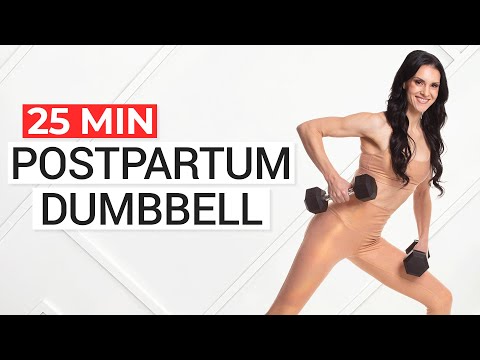
Postpartum Dumbbell Workout for Full Body Strength and Tone
26-minute workout video. Strength, Low Impact, Floor Exercise. targeting Full Body, Core, Legs, Arms. low intensity. helps with Muscle Strength, Rehabilitation / Treatment Support.
⏱️ Key Moments
Is this workout right for you?
This is a 26-minute beginner workout that uses dumbbells for full body strength. It works the core, legs, and arms, and it is rated low intensity and low impact. The workout is done mostly on the floor and includes a warm-up, strength exercises, and a cool-down that focuses on flexibility. It is written with postpartum recovery in mind, so it suits people who want gentle strength work after having a baby.
Good for
- People who are newly active or returning to exercise after having a baby
- Anyone who wants low impact strength work that uses light dumbbells
- People who prefer floor-based workouts over standing or jumping routines
- Those with limited mobility who want a short, steady session
- Anyone who wants a full body session that also includes a cool-down
Check first
- Ask your doctor or midwife before starting, especially in the early weeks after birth
- Check whether you have diastasis recti, since the video lists it as a caution
- Choose dumbbells you can lift with good form, and start lighter than you think you need
- Clear a flat, comfortable space on a mat or padded floor before you begin
- Stop if you feel pain, pressure, doming, or leaking, and talk with your care team
Before you start
- Set aside about 26 minutes, plus a few minutes to get your space ready
- Have a pair of dumbbells ready. Light weights are a good place to start
- Use a mat or thick towel so the floor feels comfortable under your back and knees
- Keep water nearby and have a chair or wall close by for support if you need it
- Breathe steadily during each exercise and do not hold your breath
Make it easier
- Use lighter dumbbells or skip the weights for the strength portion
- Take extra rest between exercises whenever you need it
- Repeat the workout over several shorter sessions across the day
- Keep movements smaller and stop short of any range that feels strained
- Rest on your back or side if lying on the floor feels more comfortable
When it feels easy
- Move to slightly heavier dumbbells once the current weight feels easy for the full session
- Shorten rest periods only if your form stays steady and you feel well
- Add a second 26-minute session on another day once you feel recovered
- Slow down each lift to add control and time under tension
- Pair the workout with a short walk on non-workout days for more total activity
If you have a health condition
Diastasis Recti
The video lists diastasis recti as a caution. Many people with this condition can still do gentle core and strength work, but the wrong movements may increase strain. The video uses safety features such as avoiding core compression and spinal load, but this does not mean it is safe for you. Ask a doctor or pelvic health physical therapist which movements fit your body before you begin.
How it fits your week
Adults are often advised to aim for 150 minutes of moderate activity a week. This 26-minute workout is light to moderate in effort, so it can count toward that total. Many people use it two or three times a week, with a rest day between sessions. Pair it with walking or other daily movement to build toward your weekly goal. Adjust the schedule to fit how you feel, and skip sessions when you are unwell or very tired.
Frequently asked questions about Postpartum Dumbbell Workout for Full Body Strength and Tone
Is this postpartum dumbbell workout safe to do after having a baby?▼
This workout is designed with postpartum recovery in mind, and it is rated low intensity and low impact. Many people who are recovering from birth can do gentle strength work, but timing and readiness vary. Check with your doctor, midwife, or pelvic health provider before starting, especially after a cesarean birth or if you have complications.
Can I do this workout if I have diastasis recti?▼
The video lists diastasis recti as a caution, so it is not a guarantee that it will suit you. Some people with this condition can do gentle core work with the right guidance. Ask your doctor or a pelvic health physical therapist first, and stop if you notice bulging, doming, or pain in your belly.
Do I need heavy dumbbells for this workout?▼
You do not need heavy dumbbells for this workout. It is a beginner session rated low intensity, so light to moderate weights are usually a good starting point. Choose a weight that lets you control each movement with steady breathing. You can increase weight gradually as your strength improves.
This guide is general information written by VitalStep from the video's details, not medical advice. Ask your doctor what is right for you.
About the creator
This workout was created by Pregnancy and Postpartum TV and is played from YouTube, so every view counts for the creator's channel. VitalStep adds condition tags, a written guide and safety notes to help you decide whether it fits your health. If you enjoy it, support the creator on YouTube.
More from Pregnancy and Postpartum TV on VitalStep
 35:42
Best Pregnancy Exercises for Third Trimester Pilates for Flexibility / Range of Motion
 37:02
Beginner Pregnancy Workout for Full Body Strength and Flexibility
 17:03
15-minute Full Body Pregnancy Workout for Pain Relief
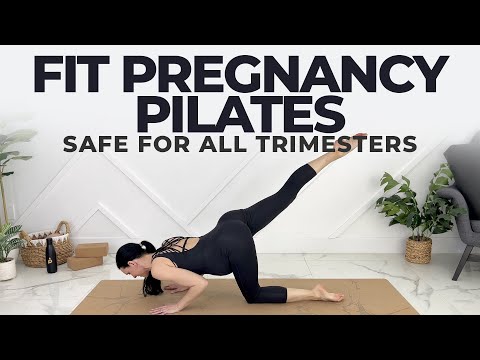 27:15
Pregnancy Pilates Workout for a Fit & Toned Pregnancy
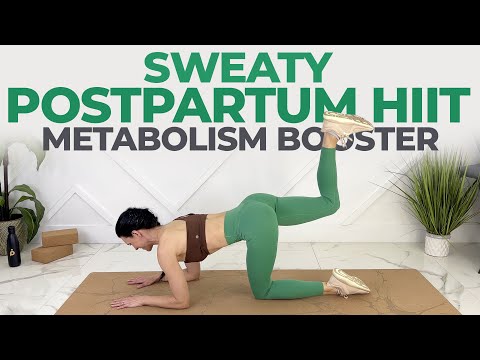 22:22
20-minute Postpartum Hiit Workout for Core Strength
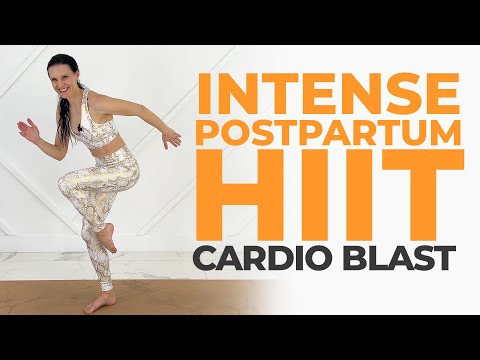 17:02
15-minute Postpartum Cardio Hiit for Core Strength
Related Workouts
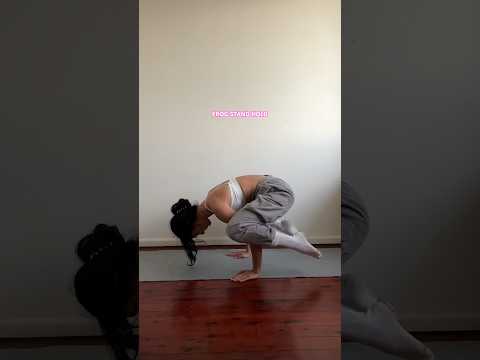 0:21
Calisthenics at Home for Full Body Strength and Flexibility
Meli
 21:01
21-minute Pregnancy-safe Bodyweight Workout for Strength and Flexibility
The Body Coach TV by Joe Wicks
 13:18
Quick Resistance Exercises for Full Body Strength and Mobility
Power for Parkinsons
 32:15
Full Body Resistance Training with Dumbbells for Muscle Strength
Kaleigh Cohen Strength
 23:59
Full Body Pilates Burn Workout for Flexibility and Muscle Strength
growingannanas
 2:27
Barre for Beginners: Full Body Low Impact Workout for Stress Reduction
Pure Barre
Suitable Conditions
Therapeutic Goals
⚠️ Caution
Consult your doctor if you have: Diastasis Recti