
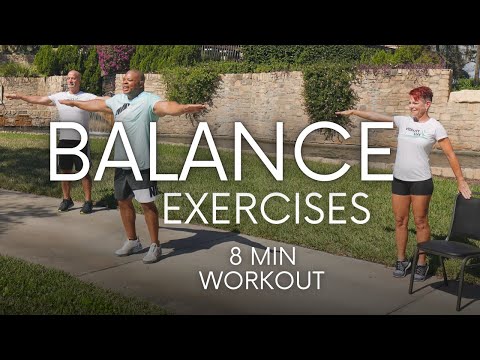
Improve Your Balance and Prevent Falls with Standing Exercises
8-minute workout video. Balance, Low Impact, Strength. targeting Full Body, Core, Legs, Glutes. low intensity. helps with Balance Control, Muscle Strength, Maintain General Health.
⏱️ Key Moments
Is this workout right for you?
This 9-minute beginner video is a set of standing balance exercises at a low intensity level. It focuses on balance control, muscle strength in the legs, glutes, and core, and it includes rest periods. It is low impact and uses a chair for support or modification. Beyond the chair, no equipment is needed. It suits people who want gentle, standing practice to build stability and coordination.
Good for
- People who want to work on balance and stability while standing.
- Adults who are new to exercise or returning after a break, since the level is beginner.
- People with limited mobility who want to stay active with a chair nearby for support.
- Anyone interested in fall prevention as part of a regular routine.
- Those who want a short session of about 9 minutes that fits into a busy day.
Check first
- Check with your doctor if you have dizziness, recent falls, or a condition that affects your balance before you start.
- If you have back pain or a disc problem, read the caution note below and talk with your doctor first.
- If you have neck or shoulder pain, check with your doctor before starting.
- Make sure you can stand for a short time safely and reach a sturdy chair.
Before you start
- Clear a space free of rugs, cords, and furniture you could bump into.
- Place a sturdy chair nearby that will not slide or tip.
- Wear supportive shoes with flat, non-slip soles so your feet grip the floor.
- Have water nearby and plan to pause during the built-in rest periods.
- Keep your phone within reach in case you need help.
Make it easier
- Use the chair for support whenever you need it, and hold on to its back.
- Keep your feet a little wider apart to give yourself a larger base of support.
- Take the built-in rest periods fully, and sit down in the chair if you feel tired.
- Practice near a wall or counter you can touch if your balance feels unsteady.
- Split the video into two shorter sessions of about 4 to 5 minutes each.
When it feels easy
- Once the video feels steady, try using the chair for less support while keeping it nearby.
- Add a second short session later in the day, if your doctor agrees.
- Pay close attention to your posture and move slowly to build control.
- Repeat the routine several days a week to build consistency over time.
- Add a short walk on other days to work toward the 150 minutes of moderate activity a week.
If you have a health condition
Chronic Back Pain / Disc Herniation
Many people with back pain can do gentle standing work, but balance exercises still ask your core and legs to work. If you have a disc herniation or ongoing back pain, check with your doctor before starting. Stop if you feel sharp pain, numbness, or tingling, and use the chair for support.
Read the full chronic back pain / disc herniation exercise guide →Neck & Shoulder Pain
This video is listed with a caution for neck and shoulder pain. Many people with these issues can take part in standing balance work, but ask your doctor first. Stop if pain increases, keep your movements small and comfortable, and go slowly so you can stay in control.
Read the full neck & shoulder pain exercise guide →Osteoporosis
This video is listed for osteoporosis. Balance and leg strength work may help people with bone concerns reduce fall risk, but it does not treat the condition. Check with your doctor about which activities suit your bones, and keep the chair close for support.
Read the full osteoporosis exercise guide →How it fits your week
This 9-minute session is short, so it can fit into a morning or evening routine on most days. Because it is low intensity and low impact, many people use it as a standing practice alongside other activity. It does not reach the 150 minutes of moderate activity a week on its own, so pair it with walking or other movement. Rest days and steady practice matter more than long sessions.
Frequently asked questions about Improve Your Balance and Prevent Falls with Standing Exercises
Can beginners do this balance workout?▼
Yes, this video is listed as beginner level with low intensity. It uses a chair for support and includes rest periods, so you can go at your own pace. If you are new to exercise or have limited mobility, start with a few minutes and build up slowly. Stop if you feel dizzy or unsteady, and check with your doctor if you have concerns.
Does this video help prevent falls?▼
The video is built around fall prevention and focuses on balance control, coordination, and leg strength. Balance practice is one part of reducing fall risk, but it is not a complete plan on its own. Many people also benefit from home safety checks, supportive footwear, and a review of their medicines with their doctor.
Do I need equipment for this workout?▼
No special equipment is needed. The video lists only a chair, which you can use for support or modification. Choose a sturdy chair that will not slide, and keep it close during standing exercises. Wear supportive shoes with non-slip soles to help you feel steady on the floor.
This guide is general information written by VitalStep from the video's details, not medical advice. Ask your doctor what is right for you.
About the creator
This workout was created by Curtis Adams and is played from YouTube, so every view counts for the creator's channel. VitalStep adds condition tags, a written guide and safety notes to help you decide whether it fits your health. If you enjoy it, support the creator on YouTube.
More from Curtis Adams on VitalStep
 30:41
30-minute Full Body Chair Workout for Seniors and Beginners
 31:54
Seniors & Beginners Cardio & Strength Workout for Weight Control
 20:46
20-minute Full Body Strength Training and Cardio for Seniors
 29:20
29-minute Full Body Strength and Cardio Workout for Seniors and Beginners
 12:43
Chair Workout for Core Strength and Balance Improvement
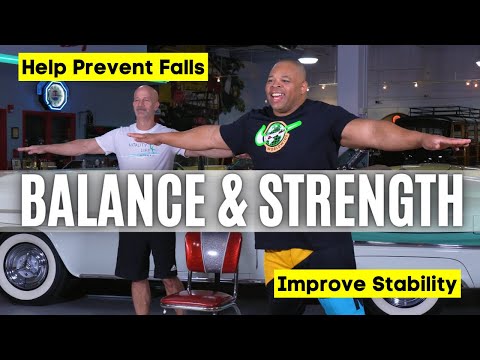 10:36
10-minute Full Body Strength and Balance Workout for Stability
Related Workouts
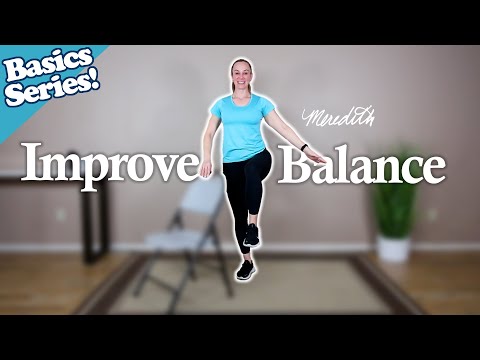 22:25
Balance Exercises for Seniors and Beginners to Improve Stability
Senior Fitness With Meredith
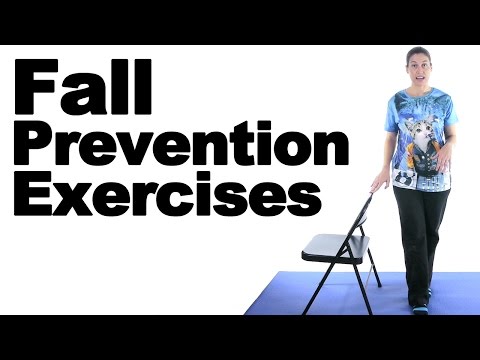 7:25
Fall Prevention Exercises for Balance and Strength - 7 Minutes
AskDoctorJo
31:54Seniors & Beginners Cardio & Strength Workout for Weight Control
Curtis Adams
20:4620-minute Full Body Strength Training and Cardio for Seniors
Curtis Adams
 10:31
10-minute Low Impact Full Body Workout for Seniors
Workout Guru
10:3610-minute Full Body Strength and Balance Workout for Stability
Curtis Adams
Suitable Conditions
Therapeutic Goals
⚠️ Caution
Consult your doctor if you have: Chronic Back Pain / Disc Herniation, Neck & Shoulder Pain