
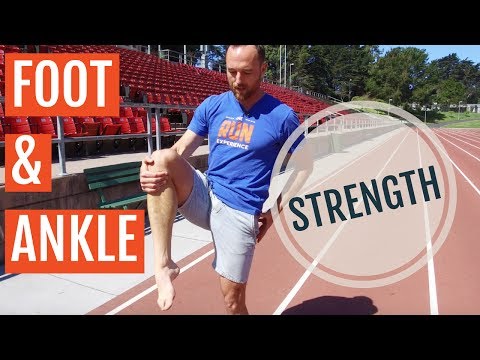
Foot and Ankle Strengthening Exercises for Runners
8-minute workout video. Strength, Low Impact. targeting Feet, Ankles, Legs. low intensity. helps with Muscle Strength, Rehabilitation / Treatment Support.
⏱️ Key Moments
Is this workout right for you?
This 8-minute video is a beginner strength workout for the feet, ankles, and lower legs. It includes five exercises aimed at building strength and stability in the feet and ankles, with a focus on good form and muscle engagement. It needs no equipment and is rated low intensity and low impact. The channel The Run Experience made it for runners, but it may suit anyone who wants to add foot and ankle work to their week.
Good for
- Runners who want to add foot and ankle strength work to their training week.
- People who are new to exercise and want a short, low-intensity session.
- Adults at light, moderate, or active fitness levels who want a gentle strength session.
- Anyone who wants to work on balance and stability through the feet and ankles.
- People who prefer to exercise at home without buying any equipment.
Check first
- The video is listed for beginners, so it may feel too easy if you already do regular strength training.
- No medical conditions are listed as cautions or unsuitable, but that does not mean the video fits your health needs.
- If you have a foot, ankle, or leg injury, ask your doctor or physical therapist before starting.
- The video lists rehabilitation support as a goal. It is not a replacement for care from a clinician.
Before you start
- Clear a small space on the floor so you can move your feet and lower legs freely.
- Wear supportive shoes, or go barefoot only if that feels comfortable and safe for your feet.
- Have a sturdy chair or wall nearby in case you need support for balance.
- Stop if you feel sharp pain, numbness, or swelling, and rest before trying again.
Make it easier
- Pause the video as often as you need and repeat any exercise before moving on.
- Do the session once through first, then try it again on another day.
- Hold onto a wall or chair for balance during any exercise that feels unsteady.
- Start with a few minutes at a time if eight minutes feels like too much.
When it feels easy
- Once the session feels easy, repeat the full video or add a second round.
- Add a second 8-minute session on another day, if your feet and ankles feel fine.
- Pair the video with brisk walking or a short run to add more movement to your week.
- Move through each exercise at a slow, steady pace to make your muscles work harder.
How it fits your week
At 8 minutes, this video is a small piece of a weekly plan. The general adult target is 150 minutes of moderate activity a week. This session adds strength work for the feet, ankles, and legs, but it will not count much toward that total on its own because it is low intensity. Some runners use short sessions like this two or three times a week, alongside their usual running or walking. Rest days between sessions can help you notice how your feet feel.
Frequently asked questions about Foot and Ankle Strengthening Exercises for Runners
Is this foot and ankle workout good for beginners?▼
Yes, the video is listed as beginner difficulty with low intensity, so it is designed for people new to strength work. Beginners should still move at their own pace and stop if anything hurts. If you have a health condition or past injury, check with your doctor before starting. Going slowly and using a wall or chair for balance can make the session feel more manageable.
Can this video help with a running injury?▼
The video lists rehabilitation support as one goal, but it does not say it treats any injury. Many people with foot or ankle pain are advised to get a diagnosis first. A doctor or physical therapist can tell you whether strength work is right for your situation and how much to do. Use this video as general training, not as a treatment plan.
How often should I do this workout?▼
The video is 8 minutes long, so many people fit it into their week several times. Start with a session once or twice a week and see how your feet and ankles feel the next day. If soreness lasts longer than a day or two, reduce how often you do it. Pair it with your regular walking or running for overall activity.
This guide is general information written by VitalStep from the video's details, not medical advice. Ask your doctor what is right for you.
About the creator
This workout was created by The Run Experience and is played from YouTube, so every view counts for the creator's channel. VitalStep adds condition tags, a written guide and safety notes to help you decide whether it fits your health. If you enjoy it, support the creator on YouTube.
Related Workouts
 0:21
Calisthenics at Home for Full Body Strength and Flexibility
Meli
 43:10
Bodyweight Leg Workout for Muscle Strength and Flexibility
Caroline Girvan
 2:27
Barre for Beginners: Full Body Low Impact Workout for Stress Reduction
Pure Barre
 12:23
Beginner Friendly Glute Workout for Booty Growth
getfitbyivana
 30:41
30-minute Full Body Chair Workout for Seniors and Beginners
Curtis Adams
 21:01
21-minute Pregnancy-safe Bodyweight Workout for Strength and Flexibility
The Body Coach TV by Joe Wicks