

Exercise After Eating to Lower Blood Sugar
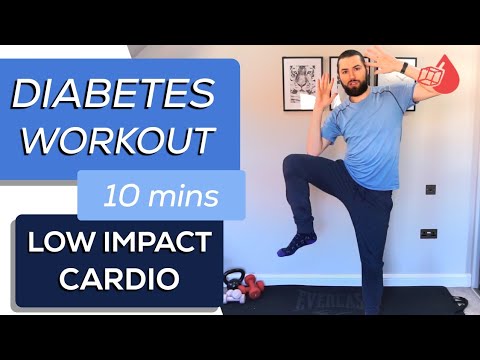
12-minute workout video. Low Impact, Cardio. targeting Full Body. low intensity. helps with Blood Sugar / Metabolism Control, Maintain General Health.
⏱️ Key Moments
Is this workout right for you?
This 13-minute beginner workout is a low-impact cardio session done standing, with no equipment needed. It is aimed at blood sugar and metabolism control and is meant to be done after a meal. It works the full body at low intensity, so it may suit people who are new to exercise or returning after a break. It is listed for diabetes and prediabetes, and it carries a caution for high blood pressure.
Good for
- People who want a short, low-intensity session to do after a meal.
- Beginners or people new to exercise who want an easy place to start.
- Anyone with a busy day who has about 13 minutes to spare.
- People building toward the 150 minutes of moderate activity a week that adults are generally encouraged to get.
Check first
- Talk with your doctor before starting, especially if you take insulin or other medicines that lower blood sugar.
- Because the workout is done standing, make sure you can stand safely for about 13 minutes. Use a chair or wall for support if needed.
- The video carries a caution for high blood pressure, so check with your doctor first if you have hypertension.
Before you start
- Plan to do this after a meal, since the workout is designed for that timing.
- Clear a small space where you can move without bumping into furniture.
- Wear supportive shoes with good grip and keep water nearby.
- If your doctor has asked you to check your blood sugar around activity, do that before you begin.
Make it easier
- Hold onto a sturdy chair or wall if you feel unsteady while standing.
- Take breaks whenever you need them, then continue when you feel ready.
- Keep your pace relaxed, since the intensity is listed as low.
When it feels easy
- Once the full 13 minutes feels comfortable, consider adding a short walk afterward to build more activity.
- Try to do the workout on most days so it becomes a steady routine.
- Move with a little more energy, while still keeping a pace where you can talk comfortably.
If you have a health condition
Diabetes
The video is listed for people with diabetes and is aimed at blood sugar control after meals. Many people with diabetes find short activity after eating helpful, but it does not replace your treatment plan. Check your blood sugar before and after if your doctor advises it, and ask how exercise may affect your medicines. Stop if you feel dizzy, shaky, or unwell.
Read the full diabetes exercise guide →Prediabetes
The video is also listed for prediabetes. Light activity after meals may fit into a plan to support healthy blood sugar, and many people find a routine like this easy to start. Talk with your doctor or diabetes care team if you have questions about your numbers or goals.
Read the full prediabetes exercise guide →Hypertension
This video carries a caution for high blood pressure. It is marked as avoiding the breath-holding strain known as Valsalva, and it is low impact and low intensity. Keep your breathing steady throughout. Many people with high blood pressure can do gentle activity, but check with your doctor first, especially if your blood pressure is not well controlled.
Read the full hypertension exercise guide →How it fits your week
Thirteen minutes is short, so this works well as a daily habit after a meal or as one part of a larger week. If you do it most days, it adds up toward the 150 minutes of moderate activity a week that adults are generally encouraged to aim for. Because the intensity is low, you may need to add other activity, such as walking, to reach that total. Notice how you feel over a few weeks and adjust as needed.
Frequently asked questions about Exercise After Eating to Lower Blood Sugar
Can I do this workout after every meal?▼
Many people use short activity after meals, but ask your doctor how often is right for you. Doing it after one or more meals on most days may fit a routine for blood sugar goals. Pay attention to how you feel, and stop if you notice dizziness, shortness of breath, or other symptoms that worry you. Your care team can help you plan the timing.
Do I need any equipment for this workout?▼
No. This workout needs no equipment, and it is done standing in a small space. A sturdy chair or wall can give you support if you need it. Wear comfortable shoes with good grip, and keep water nearby while you exercise. A clear, flat floor helps you move without tripping.
Is this workout too easy if I am already active?▼
It may be, since the video is listed for light, moderate, and active fitness levels but is rated low intensity. If you are already active, you may want to pair it with other exercise to reach your weekly goals. Listen to your body and adjust the pace to suit you. Check with your doctor if you have questions about how much activity is right.
This guide is general information written by VitalStep from the video's details, not medical advice. Ask your doctor what is right for you.
About the creator
This workout was created by Caroline Jordan and is played from YouTube, so every view counts for the creator's channel. VitalStep adds condition tags, a written guide and safety notes to help you decide whether it fits your health. If you enjoy it, support the creator on YouTube.
More from Caroline Jordan on VitalStep
 12:29
Diabetes Exercises for Type 2 Diabetes Full Body Workout at Home
 12:24
Diabetes Exercises at Home Workout for Blood Sugar Control
 14:33
Diabetes Exercises at Home Workout for Blood Sugar Control
 17:35
Lower Blood Sugar with 17-minute Full Body Cardio Workout
 13:34
Diabetes Exercises for Seniors Full Body Workout at Home
 12:26
Diabetes Exercises for Blood Sugar Control - Full Body Workout
Related Workouts
 10:51
After Meal Walking Workout for Blood Sugar Control
Reps To The Rhythm
 16:11
Low Impact Workout for Beginners to Improve Flexibility and Strength
The Body Coach TV by Joe Wicks
 25:43
Low Impact Cardio for Cardiovascular Endurance and Weight Control
Heather Robertson
 12:35
Low Impact Cardio Workout for Fat Loss and Full Body Toning
BodyFit By Amy
 11:16
Low Impact Cardio Workout for Diabetes Management
Carl Morris
 10:17
10-minute Cardio Workout for Improving Blood Circulation in Legs
Roberta's Gym
Suitable Conditions
Therapeutic Goals
⚠️ Caution
Consult your doctor if you have: Hypertension