
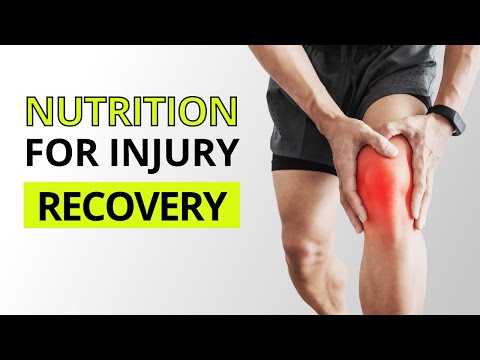
Eating for Injury Recovery: Nutritional Support for Faster Healing
15-minute workout video. Nutrition. targeting Full Body. low intensity. helps with Rehabilitation / Treatment Support, Pain Relief.
⏱️ Key Moments
Is this workout right for you?
This 16-minute video is about nutrition for injury recovery. It covers foods linked to collagen building, foods that may help with inflammation, and substances to limit or avoid. It needs no equipment and is rated beginner and low intensity. It is a food and eating guide rather than an exercise session, so it works best alongside your movement plan. Nothing in it replaces advice from your own clinician.
Good for
- People who want practical eating ideas while recovering from an injury or a flare in pain.
- Anyone with back pain or neck and shoulder pain who wants to learn how food may support healing.
- Viewers who want a low-effort way to learn more, since it needs no equipment and is rated beginner level.
- Anyone who wants to pair healthy eating with a gentle activity plan.
Check first
- This is a nutrition video, not an exercise workout, so it does not count toward your weekly activity minutes.
- The video is listed with cautions for diabetes and hypertension, so talk with your doctor before acting on its advice.
- If you take medicines for diabetes or blood pressure, food changes can affect them. Ask your prescriber before you change your diet.
- Any diet plan for injury recovery should fit your own medical plan. Ask your doctor or physical therapist about your needs.
Before you start
- Have a notebook or phone ready if you want to note food ideas that fit your budget and tastes.
- Plan for about 16 minutes of watching, plus time to shop or cook if you decide to act on the advice.
- If you track blood sugar or blood pressure at home, keep your readings handy so you can compare them as you change meals.
- Choose one or two ideas to try first rather than changing everything at once.
Make it easier
- Pause the video and write down only the ideas that fit your food budget and daily routine.
- Watch in short parts across a few days so the information is easier to absorb.
- Ask a registered dietitian or your care team to review the ideas before you start them.
- If your doctor says walking is fine, pair your viewing with a short walk you already enjoy.
When it feels easy
- Turn each food idea into a weekly meal plan and shopping list.
- Track what you eat for two weeks and note any changes in pain, energy, or sleep.
- Set a goal to add one new recovery-focused food to your meals each week.
If you have a health condition
Diabetes
This video is listed with a caution for diabetes. Food choices affect blood sugar, so meal changes can shift your numbers. Many people with diabetes can make food changes safely with guidance. Check with your doctor or diabetes care team before you change your meals, and ask how often to check your blood sugar while you adjust.
Read the full diabetes exercise guide →Hypertension
This video is listed with a caution for hypertension. Some foods, salt, and supplements can affect blood pressure. Many people with high blood pressure can adjust their diet with medical guidance. Check with your doctor before changing what you eat or starting new supplements, and keep track of your readings.
Read the full hypertension exercise guide →Chronic Back Pain / Disc Herniation
This video is listed for chronic back pain and disc herniation. Eating well does not replace your back care plan, and food is not a treatment for a disc problem. Many people find that healthy eating fits well alongside their other care. Keep your doctor or physical therapist informed about any new eating plan and any change in your symptoms.
Read the full chronic back pain / disc herniation exercise guide →How it fits your week
Because this is a nutrition video, it fits best as a companion to your weekly plan, not as a workout. The general adult target is 150 minutes of moderate activity a week, so keep your movement sessions separate and count them there. Use this video to plan meals on a few days each week, and adjust them as your care team advises.
Frequently asked questions about Eating for Injury Recovery: Nutritional Support for Faster Healing
Does this video count as exercise?▼
No, this is a nutrition video, so it does not count as exercise or toward your weekly activity minutes. It covers food ideas for injury recovery, including foods linked to collagen building and inflammation. Keep your movement sessions separate and track them on their own.
Can eating certain foods speed up injury healing?▼
Food can support your body's healing, but no single food is known to speed up recovery from an injury. Protein and a balanced diet give your body the building blocks it uses for repair. Ask your doctor or dietitian what eating pattern fits your specific needs and health conditions.
Is this video safe if I have diabetes or high blood pressure?▼
The video is listed with a caution for diabetes and hypertension, so check with your doctor before you act on its advice. Food changes can affect blood sugar and blood pressure, and they may interact with medicines. Your care team can tell you which changes are right for you and how to monitor them.
This guide is general information written by VitalStep from the video's details, not medical advice. Ask your doctor what is right for you.
About the creator
This workout was created by YOGABODY and is played from YouTube, so every view counts for the creator's channel. VitalStep adds condition tags, a written guide and safety notes to help you decide whether it fits your health. If you enjoy it, support the creator on YouTube.
More from YOGABODY on VitalStep

Related Workouts
 21:06
20-minute Full Body Yoga Flow for Flexibility and Strength
growingannanas
 37:51
Full Body Stretching Routine for Flexibility and Pain Relief
AskDoctorJo
 20:35
15-minute Full Body Stretching for Flexibility and Range of Motion
YOGABODY
 1:00
Morning Mobility Routine for Flexibility and Range of Motion
Squat University
 11:39
Post Workout Stretch for Flexibility and Mobility
Fit With Sally
 16:03
Full Body Stretch for Improved Mobility and Flexibility
growingannanas
Suitable Conditions
Therapeutic Goals
⚠️ Caution
Consult your doctor if you have: Diabetes, Hypertension