
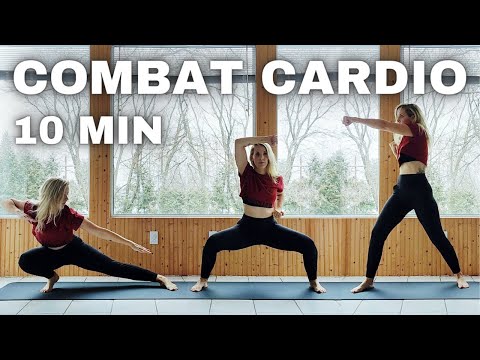
Combat Cardio Workout for Full Body Strength and Cardiovascular Endurance
11-minute workout video. Cardio, Martial Arts. targeting Full Body. medium intensity. helps with Cardiovascular Endurance, Muscle Strength, Weight Control / Fat Loss.
⏱️ Key Moments
Is this workout right for you?
This 12-minute combat cardio workout mixes martial arts-inspired moves with cardio. It uses kicks, punches, and lunges to build endurance and muscle strength, with a warm-up at the start and a cool-down stretch at the end. You need no equipment, so you can do it at home. It is rated intermediate with medium intensity and includes rest periods. It is listed for obesity, hypertension, and anxiety disorders, and it carries caution for some joint conditions.
Good for
- People with some exercise experience who want a short, moderate workout that works the whole body.
- Adults who want to build cardiovascular endurance and muscle strength in about 12 minutes.
- People who enjoy martial arts-style training and want a change from walking or steady cycling.
- Anyone looking for a session that can count toward the 150 minutes of moderate activity a week most adults aim for.
- People without gym access, since no equipment is needed.
Check first
- This video is rated intermediate, so it may feel hard if you are new to exercise or have been inactive for a long time.
- Medium intensity means you will likely breathe harder than usual. Check that this pace fits your current fitness level.
- Because it includes kicks and lunges, think about your balance and joint comfort before you start.
- Ask your doctor before starting if you have heart, blood pressure, or joint problems.
Before you start
- Clear a space free of furniture and loose rugs so you can move safely.
- Wear supportive athletic shoes with good grip for quick direction changes.
- Keep water nearby and drink before and after your session.
- Stand near a wall or sturdy chair for balance if you need it.
- Know your warning signs, such as chest pain, dizziness, or unusual shortness of breath. Stop and get help if they happen.
Make it easier
- Use the rest periods to slow down, and return to full effort only when you feel ready.
- Keep kicks smaller and lunges shallower to reduce impact on your joints.
- Pause the video and walk in place whenever you need a break.
- Move through the warm-up slowly and skip any part that feels like too much.
When it feels easy
- Add a short walk after the session to extend your time on your feet.
- Focus on steady breathing and controlled movement to get more from each round.
- Add light hand or ankle weights only if your doctor agrees and you have no joint pain.
- Use a timer to track how many minutes you can keep moving without stopping.
If you have a health condition
Chronic Back Pain / Disc Herniation
This video is listed as not suitable for chronic back pain or disc herniation. Kicks, lunges, and fast changes of direction can load the spine. If you have back pain or a disc problem, choose a lower-impact, back-friendly workout and talk with your doctor before trying this one.
Read the full chronic back pain / disc herniation exercise guide →Osteoarthritis
This video is listed with caution for osteoarthritis. Many people with this condition do well with low-impact movement, but jumping, kicking, and lunging can stress knees and hips. Start at a comfortable pace, reduce your range of motion, and stop if joint pain increases. Ask your doctor or physical therapist first.
Read the full osteoarthritis exercise guide →Rheumatoid Arthritis
This video is listed with caution for rheumatoid arthritis. Flare-ups can make joints tender or swollen, and impact may aggravate them. Check how your joints feel before you start. Skip the workout during a flare, and talk with your doctor about whether this intensity suits you.
Read the full rheumatoid arthritis exercise guide →How it fits your week
This 12-minute session is a short option for a busy week. Many adults aim for 150 minutes of moderate activity a week. You could count this video toward that total and add walking or other activity on other days. Because it is rated intermediate with medium intensity, you may want to do it two or three times a week at first, with rest days in between. Adjust based on how you feel the next day.
Frequently asked questions about Combat Cardio Workout for Full Body Strength and Cardiovascular Endurance
Can beginners do a combat cardio workout?▼
Beginners may find this one hard, since it is rated intermediate. Start with a slower pace, use the rest periods, and stop when you can no longer move with control. If you are new to exercise, consider a beginner video first and build up over several weeks. Check with your doctor before starting, especially if you have a heart or joint condition.
Is a 12-minute workout enough for fitness?▼
Twelve minutes can be a useful addition, but it may not be enough on its own. Adults generally aim for 150 minutes of moderate activity a week. You could combine this video with walking, cycling, or other activity on other days. Track how you feel over several weeks to see whether you need more time.
Is this workout okay if I have arthritis or back pain?▼
This video carries caution for osteoarthritis and rheumatoid arthritis, and it is listed as not suitable for chronic back pain or disc herniation. These conditions affect each person differently, so talk with your doctor before starting. If you have joint or back symptoms, a lower-impact option may suit you better. Stop if you feel sharp pain, and do not push through it.
This guide is general information written by VitalStep from the video's details, not medical advice. Ask your doctor what is right for you.
About the creator
This workout was created by Krystel Dallas and is played from YouTube, so every view counts for the creator's channel. VitalStep adds condition tags, a written guide and safety notes to help you decide whether it fits your health. If you enjoy it, support the creator on YouTube.
Related Workouts
 30:48
30-minute Zumba Dance Workout for Full Body Fitness
Get Fit With Rick
 15:41
15-minute Shadow Boxing Workout for Full Body Conditioning
NateBowerFitness
 7:14
7-minute Full Body Cardio Warm Up for Stress Reduction
Immer Play
 6:17
6-minute Full Body Warm Up Cardio for Holiday Fun
Immersive Fit
 10:21
Full Body Workout - No Equipment for Beginners
MonikaFit
 26:31
Mood-boosting Pyramid Indoor Cycling Workout for Cardiovascular Endurance
Kaleigh Cohen Cycling
Suitable Conditions
Therapeutic Goals
⚠️ Caution
Consult your doctor if you have: Osteoarthritis, Rheumatoid Arthritis
🚫 Contraindications
Avoid this workout if you have: Chronic Back Pain / Disc Herniation