
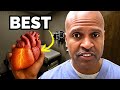
Brisk Walking for Weight Control and Cardiovascular Endurance
8-minute workout video. Cardio, Low Impact. targeting Full Body, Legs, Core. low intensity. helps with Weight Control / Fat Loss, Blood Sugar / Metabolism Control, Circulation / Blood Pressure.
⏱️ Key Moments
Is this workout right for you?
This is an 8-minute low-impact cardio workout built around brisk walking. It is labeled beginner and low intensity, and it works the full body, legs, and core. No equipment is needed. The video focuses on walking as a way to support weight control, blood sugar, blood pressure, and heart fitness. It can suit people who are just starting to move more or who want a simple routine they can repeat.
Good for
- People who are new to exercise and want a short, easy starting point
- Anyone who wants a cardio session that needs no equipment and little space
- People who prefer low-impact movement over jumping or running
- Adults looking for a simple way to add activity toward the 150 minutes of moderate activity a week general target
- Those who want a routine that fits into a busy day
Check first
- Ask your doctor whether brisk walking is a good choice for you, especially if you have heart, lung, or joint concerns
- Check whether you have any balance problems or dizziness before you walk at a faster pace
- Think about whether you have a safe, flat place to walk, indoors or outdoors
- Confirm you can talk while you walk, since this is a good sign of a moderate pace
- Notice any joint pain you already have, since walking can aggravate some joints
Before you start
- Wear supportive, well-fitting shoes with good grip
- Have water nearby and drink before and after you exercise
- Clear a small, uncluttered area or a safe walking route
- Stop and rest if you feel chest pain, unusual shortness of breath, or lightheadedness
- Keep a chair or wall nearby in case you need support
Make it easier
- Shorten your walk and rest between sessions if the full 8 minutes feels like too much
- Walk at a slower pace and build up speed over several weeks
- Repeat the video only once a day at first, then add a second session when you feel ready
- Use a sturdy handrail or stay near a wall for balance
- Walk on a soft, flat surface if your joints feel sensitive
When it feels easy
- Increase your walking speed gradually while still able to talk in short sentences
- Repeat the session later in the day or add a second short session
- Walk on a slight incline or a longer route if your doctor agrees
- Extend the total time of your walks over the following weeks
- Add arm swing and a steady, upright posture to make the walk feel more active
If you have a health condition
Obesity
This video is listed for obesity and focuses on weight control. Many people with obesity find walking an easier starting point than higher-impact exercise. Talk with your doctor about your weight goals and your starting activity level before you begin.
Read the full obesity exercise guide →Prediabetes
This video is listed for prediabetes and focuses on blood sugar. Regular walking may help some people manage blood sugar over time. If you take medicines that lower blood sugar, ask your doctor how activity might affect your levels and whether you need to check them.
Read the full prediabetes exercise guide →Hypertension
This video is listed for hypertension and focuses on blood pressure and circulation. Walking at a steady, moderate pace is often a good fit for many people with high blood pressure. Check with your doctor before you start, and ask about safe limits for your readings.
Read the full hypertension exercise guide →Metabolic Syndrome
This video is listed for metabolic syndrome and focuses on metabolic health. Many people with this condition benefit from regular activity. Your doctor can help you set a safe pace and tell you how often to walk based on your overall health.
Read the full metabolic syndrome exercise guide →Osteoarthritis
This video is listed with a caution for osteoarthritis. Walking is low impact, but it still puts load on the knees and hips. Start slowly, choose soft, flat ground, and stop if pain increases or lasts into the next day. Ask your doctor or physical therapist before you begin.
Read the full osteoarthritis exercise guide →How it fits your week
This 8-minute walk can be a short, regular session on most days of the week. Many people build up to the 150 minutes of moderate activity a week general target by repeating it several times a day or adding longer walks on other days. Start with a few sessions a week and add time gradually. Rest days are fine. Pay attention to how your joints and energy feel, and adjust your plan with your doctor if needed.
Frequently asked questions about Brisk Walking for Weight Control and Cardiovascular Endurance
Is brisk walking good for weight loss?▼
Brisk walking can be part of a weight loss plan for many adults, since it is a steady form of cardio. Results depend on how often you walk, how long you go, and what you eat. This 8-minute video is a short start. Many people add time over weeks. Talk with your doctor about a weight goal that fits your health.
Can I walk for 8 minutes if I am just starting out?▼
Yes, an 8-minute session is labeled beginner and low intensity, so it is a common place to start. If you find it hard, walk for a shorter time and rest. Build up slowly. Stop if you have chest pain, dizziness, or unusual breathlessness, and seek medical help if symptoms are severe.
Is walking safe if I have arthritis in my knees?▼
Walking is low impact, so many people with knee arthritis find it manageable at an easy pace. This video lists a caution for osteoarthritis, so check with your doctor or physical therapist first. Choose flat, soft surfaces, wear supportive shoes, and reduce time if pain increases or lingers the next day.
This guide is general information written by VitalStep from the video's details, not medical advice. Ask your doctor what is right for you.
About the creator
This workout was created by Dr. Tony Hampton - The Metabolic Health Doc and is played from YouTube, so every view counts for the creator's channel. VitalStep adds condition tags, a written guide and safety notes to help you decide whether it fits your health. If you enjoy it, support the creator on YouTube.
Related Workouts
 25:43
Low Impact Cardio for Cardiovascular Endurance and Weight Control
Heather Robertson
 21:56
21-minute Low Impact Workout for Weight Control
Roberta's Gym
 16:11
Low Impact Workout for Beginners to Improve Flexibility and Strength
The Body Coach TV by Joe Wicks
 12:35
Low Impact Cardio Workout for Fat Loss and Full Body Toning
BodyFit By Amy
 10:17
10-minute Cardio Workout for Improving Blood Circulation in Legs
Roberta's Gym
 6:00
Pool Exercises for Improved Circulation and Blood Flow
ReStart Living
Suitable Conditions
Therapeutic Goals
⚠️ Caution
Consult your doctor if you have: Osteoarthritis