
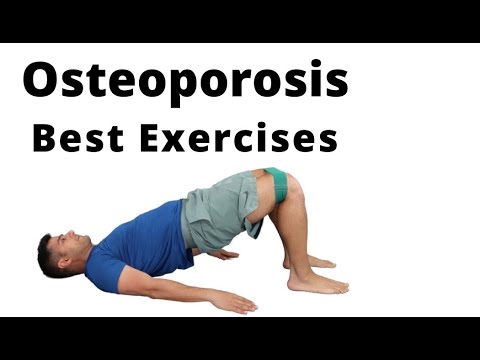
Best Exercises for Osteoporosis to Improve Bone Density in 11 Minutes
11-minute workout video. Strength, Low Impact. targeting Full Body, Legs, Glutes, Arms, Core. low intensity. helps with Muscle Strength, Rehabilitation / Treatment Support.
⏱️ Key Moments
Is this workout right for you?
This 11-minute strength workout is built for people who want gentle, low-impact movement. It uses dumbbells and a chair, and it works the legs, glutes, arms, and core. The exercises are beginner level at low intensity, with rest periods built in. The workout is listed for osteoporosis and focuses on weight-bearing movement and muscle strength. It is a short session you can fit into a busy day.
Good for
- People with osteoporosis who want a short, gentle strength session
- Beginners or people returning to exercise after a break
- Anyone with limited mobility who wants to use a chair for support
- People who want to work the legs, glutes, arms, and core in one session
- Those looking for a workout that includes rest periods between efforts
Check first
- Talk with your doctor or physical therapist before starting, especially if you have osteoporosis or a recent fracture
- Ask whether weight-bearing exercise and light weights are right for your bones
- Confirm which types of movement you should avoid after any spine or hip problems
- Check that you can sit safely in a sturdy chair with armrests if you need them
Before you start
- Clear a space with room to move, and keep a sturdy chair nearby that will not slide
- Choose a pair of dumbbells you can lift with good form for the full session, such as 2 to 5 pounds [1 to 2 kilograms] to start
- Wear supportive shoes and have water nearby
- Stop and rest if you feel dizzy, short of breath, or sharp pain
Make it easier
- Use lighter dumbbells or no weight at all while you build confidence
- Take the rest periods fully and breathe steadily between efforts
- Hold on to the chair or a wall for balance if you feel unsteady
- Repeat the session only as often as you feel comfortable, such as a few times a week
When it feels easy
- Move to slightly heavier dumbbells once the lighter weight feels easy and steady
- Shorten your rest periods a little as your fitness improves
- Add a second short session on another day to build total weekly activity
- Slow your pace and hold each position with control for more effort
If you have a health condition
Osteoporosis
This workout is listed for osteoporosis. It is low impact and includes a chair option, which can help you stay steady. Many people with osteoporosis can take part in gentle strength work like this, but you should check with your doctor first. Ask which movements suit your bone health and any fracture history.
Read the full osteoporosis exercise guide →How it fits your week
This 11-minute session is a good starting point for strength work. Adults are often advised to aim for 150 minutes of moderate activity a week. This workout alone will not meet that target, so you may pair it with walking or other low-impact activity on other days. Many people find that a few short sessions across the week are easier to keep up than one long one. Start with two or three sessions a week and build gradually as you feel ready.
Frequently asked questions about Best Exercises for Osteoporosis to Improve Bone Density in 11 Minutes
Is this workout safe if I have osteoporosis?▼
This workout is listed for osteoporosis, and it is low impact with a chair option. Many people with osteoporosis can take part in gentle strength exercise, but safety depends on your bones, fracture history, and other health needs. Check with your doctor or physical therapist before you start, and ask which movements suit you.
Do I need dumbbells to do this workout?▼
Yes, this workout lists dumbbells as equipment, along with a chair. If you do not have dumbbells, you may be able to start with light household items, but ask your doctor or physical therapist first. Choose a weight you can control with good form for the whole session.
How often should I do a workout like this?▼
Many people start with two or three short sessions a week, with a rest day between them. Because this video is 11 minutes long, it fits easily into most schedules. Increase slowly if you feel steady and recover well, and pause if you notice new pain or fatigue.
This guide is general information written by VitalStep from the video's details, not medical advice. Ask your doctor what is right for you.
About the creator
This workout was created by Bob The Physio and is played from YouTube, so every view counts for the creator's channel. VitalStep adds condition tags, a written guide and safety notes to help you decide whether it fits your health. If you enjoy it, support the creator on YouTube.
More from Bob The Physio on VitalStep
Related Workouts
 0:30
Strength Training for Body Recomposition Post Menopause
Cheryl Coulombe
 24:29
Chair Barre Workout for Full Body Toning in 24 Minutes
SeniorShape Fitness
 31:54
Seniors & Beginners Cardio & Strength Workout for Weight Control
Curtis Adams
 20:46
20-minute Full Body Strength Training and Cardio for Seniors
Curtis Adams
 10:31
10-minute Low Impact Full Body Workout for Seniors
Workout Guru
 11:12
10-minute Chair Workout for Seniors' Muscle Strength and Flexibility
The Body Coach TV by Joe Wicks