
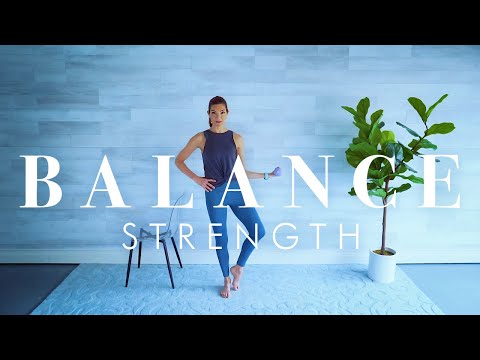
Balance, Strength & Core Workout to Improve Stability for Beginners & Seniors
28-minute workout video. Strength, Low Impact, Warm Up, Cool Down. targeting Core, Legs, Arms. low intensity. helps with Muscle Strength, Flexibility / Range of Motion, Weight Control / Fat Loss, Maintain General Health.
⏱️ Key Moments
Is this workout right for you?
This 28-minute beginner workout uses standing exercises to build balance, strength, and core engagement. It is low impact and uses dumbbells for the arms and a chair for support. It is listed for people with obesity, high blood pressure, osteoporosis, and chronic back pain. It is marked as a caution for osteoarthritis and rheumatoid arthritis. The workout includes a warm up, a cool down, and rest periods.
Good for
- Adults who are new to exercise and want a gentle start with standing work.
- People who want to build balance and stability while standing on their own feet.
- Older adults who want light strength work for the arms, legs, and core.
- People looking to support weight control and general fitness with a low impact routine.
Check first
- Ask your doctor before starting, especially if you have a joint, back, blood pressure, or bone condition.
- Make sure you have a sturdy chair that will not slide or tip before you begin.
- Have a set of dumbbells you can lift with control. Choose a weight you can handle comfortably.
- Confirm you have enough clear floor space to stand and move without bumping into furniture.
Before you start
- Clear a space about 6 by 6 feet (about 1.8 by 1.8 meters) so you have room around you.
- Wear supportive shoes with good grip, and avoid socks on hard floors.
- Drink water before you start, and keep a glass nearby.
- Plan for the full 28 minutes, and have a seat nearby in case you need a break.
Make it easier
- Keep your hand on the chair for extra support whenever you feel unsteady.
- Use a lighter dumbbell or start with no weight, then add load later.
- Take the rest periods in the video, and add extra seated rests if you need them.
- Split the 28 minutes into two shorter sessions across the day.
When it feels easy
- Once the workout feels steady, try a slightly heavier dumbbell that you can still control.
- Lean on the chair less often so you rely more on your own balance, as long as you stay safe.
- Add a second session on another day each week to build consistency.
- Repeat the workout once you feel comfortable with the full 28 minutes.
If you have a health condition
Osteoarthritis
The video is marked as a caution for osteoarthritis. Joint pain can change how much standing and balance work feels right. Many people with osteoarthritis can do low impact standing work, but pain that lasts after you finish is a sign to ease off. Ask your doctor or physical therapist whether this workout fits your joints before you start.
Read the full osteoarthritis exercise guide →Rheumatoid Arthritis
The video is marked as a caution for rheumatoid arthritis. Flares can make joints swollen, stiff, or painful, so how you feel on a given day matters more than the plan. Many people with rheumatoid arthritis find that short sessions with rest periods work better than long ones. Talk with your care team before starting, and stop if a joint feels hot, swollen, or worse after exercise.
Read the full rheumatoid arthritis exercise guide →Chronic Back Pain / Disc Herniation
The video is listed for chronic back pain and disc herniation. The listed features say it avoids spinal load and core compression. Many people with back pain can tolerate standing, low impact work, but pain that spreads down a leg, numbness, or weakness is a reason to stop. Contact your doctor if symptoms change, and ask for guidance before you begin.
Read the full chronic back pain / disc herniation exercise guide →How it fits your week
The general adult target is 150 minutes of moderate activity a week. At 28 minutes, this video can be one part of that total. Many people find that doing it about four or five times a week, with rest days between some sessions, fits well. Since the intensity is listed as low, you may need to add other activity, such as walking, to reach your goal. Adjust the number of sessions to what your body can handle.
Frequently asked questions about Balance, Strength & Core Workout to Improve Stability for Beginners & Seniors
Is this workout good for seniors who are new to exercise?▼
It is listed as a beginner workout with low intensity, so it is designed for people who are new to exercise or returning after a break. It is low impact and includes a warm up and cool down. Many older adults start with short sessions and build up slowly. Check with your doctor first, and stop if you feel dizzy, short of breath, or pain that does not ease.
Do I need dumbbells and a chair to do this workout?▼
Yes, the listed equipment is dumbbells and a chair. The chair provides support, and the dumbbells add upper body strength work. If you do not have dumbbells, you can start with no weight or use a light household item as a substitute. A sturdy chair without wheels is the best choice for safety.
How often should I do a workout like this?▼
Many adults aim for 150 minutes of moderate activity a week. Since this video is 28 minutes, about four or five sessions a week can add up to a good amount of activity. Rest days between sessions help your body recover. If you are new, begin with fewer sessions, then increase slowly as you feel ready. Ask your doctor what is right for you.
This guide is general information written by VitalStep from the video's details, not medical advice. Ask your doctor what is right for you.
About the creator
This workout was created by SeniorShape Fitness and is played from YouTube, so every view counts for the creator's channel. VitalStep adds condition tags, a written guide and safety notes to help you decide whether it fits your health. If you enjoy it, support the creator on YouTube.
More from SeniorShape Fitness on VitalStep
 26:33
Standing Pilates Workout for Seniors and Beginners for Full Body Flexibility in 26 Minutes
 28:14
Chair Pilates for Seniors and Beginners for Flexibility and Core Strength
 27:25
Pilates Core Workout for Seniors and Beginners for Back Pain Relief
 24:29
Chair Barre Workout for Full Body Toning in 24 Minutes
 18:29
Walking Workout with Weights for Full Body Toning and Cardiovascular Endurance
 16:21
Gentle Floor Stretches for Chronic Back Pain Relief in 16 Minutes
Related Workouts
 8:12
Daily Senior Fitness Routine for Strength and Flexibility
Senior Fitness With Meredith
 14:19
14-minute Full Body Workout for Seniors to Maintain General Health
Roberta's Gym
 13:19
Senior Fitness Full Body Dumbbell Workout for Muscle Strength
Senior Fitness With Meredith
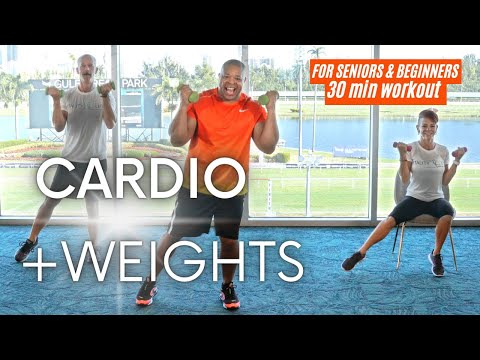 31:54
Seniors & Beginners Cardio & Strength Workout for Weight Control
Curtis Adams
 20:46
20-minute Full Body Strength Training and Cardio for Seniors
Curtis Adams
 10:31
10-minute Low Impact Full Body Workout for Seniors
Workout Guru
Suitable Conditions
Therapeutic Goals
⚠️ Caution
Consult your doctor if you have: Osteoarthritis, Rheumatoid Arthritis