
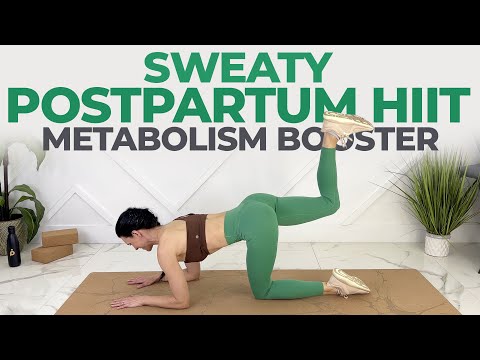
20-minute Postpartum Hiit Workout for Core Strength
22-minute workout video. HIIT, Cardio, Strength. targeting Core, Abs, Full Body. medium intensity. helps with Rehabilitation / Treatment Support, Muscle Strength.
⏱️ Key Moments
Is this workout right for you?
This is a 22-minute workout with no equipment needed. It mixes a warm-up, short high-intensity Tabata-style intervals, and a finishing ab set. The focus is your core and full body at a medium intensity, and it is written for intermediate exercisers. The video is low impact and includes rest periods. It is aimed at people who want to build core strength after pregnancy, and it lists fitness-level modifications for different abilities.
Good for
- Adults who already feel comfortable with moderate activity and want a short workout.
- People who want core and full-body work without buying any equipment.
- Those who prefer interval-style training with built-in rest periods.
- Readers who are a few months or more past delivery and have checked with their care team about exercise.
Check first
- Ask your doctor, midwife, or physical therapist before starting, especially after pregnancy or surgery.
- The video lists diastasis recti as a caution, so talk with a clinician about your abdominal separation first.
- High-intensity intervals can feel hard. If you have heart, lung, or joint problems, get clearance first.
- Stop and rest if you feel dizziness, chest discomfort, pelvic pressure, leaking, or doming or bulging along your belly.
Before you start
- Clear a space about the size of a yoga mat, with room to move your arms and legs.
- Wear supportive shoes or go barefoot on a non-slip surface.
- Have water nearby and plan to drink before and after.
- Set a timer so you can track the rest periods and stop when needed.
Make it easier
- Skip the high-intensity parts and move at a slower, steady pace.
- Take longer rest between rounds, and rest as often as you need.
- Stop after the warm-up and try only part of the workout on your first day.
- Follow the modifications the video offers for beginners or lower fitness levels.
When it feels easy
- Once the full video feels manageable, add a second session on another day.
- Move at a faster pace during the intervals, while keeping good control.
- Shorten your rest periods only when you feel steady and comfortable.
- Add more weekly sessions to build toward the general target of 150 minutes of moderate activity a week.
If you have a health condition
Diastasis Recti
This video is listed as a caution for diastasis recti. Many people with this condition can exercise with changes, but the video does not address it directly. Ask your doctor or pelvic health physical therapist whether this workout fits your situation, and avoid any movement that causes doming, bulging, or pain along the midline.
How it fits your week
Many adults use this as one of three or four weekly sessions, with rest days between. Because it is about 22 minutes, it can fit into a busy schedule. Pair it with lighter walking or gentle movement on other days. Build up slowly over several weeks, and track how you feel the next day. If you are returning to exercise after pregnancy, start with two sessions a week and increase only when your body feels ready.
Frequently asked questions about 20-minute Postpartum Hiit Workout for Core Strength
Is this postpartum HIIT workout safe to do after having a baby?▼
Many people who are recovering after pregnancy can do lower-impact workouts, but it depends on your health and how you delivered. This video is marked low impact and includes rest periods. Check with your doctor or midwife first, and wait for their approval before trying high-intensity intervals.
Can this workout help with diastasis recti?▼
This video is listed as a caution for diastasis recti, so it is not designed as a treatment. Many people with abdominal separation work with a pelvic health physical therapist to choose safe core exercises. Ask your clinician whether this video is appropriate for you before you start.
Do I need equipment for this 22-minute core workout?▼
No equipment is needed for this video. You will need a clear floor space, comfortable clothes, and supportive shoes or a non-slip surface. Keep water nearby. A yoga mat can make the floor more comfortable for core work.
This guide is general information written by VitalStep from the video's details, not medical advice. Ask your doctor what is right for you.
About the creator
This workout was created by Pregnancy and Postpartum TV and is played from YouTube, so every view counts for the creator's channel. VitalStep adds condition tags, a written guide and safety notes to help you decide whether it fits your health. If you enjoy it, support the creator on YouTube.
More from Pregnancy and Postpartum TV on VitalStep
 35:42
Best Pregnancy Exercises for Third Trimester Pilates for Flexibility / Range of Motion
 37:02
Beginner Pregnancy Workout for Full Body Strength and Flexibility
 17:03
15-minute Full Body Pregnancy Workout for Pain Relief
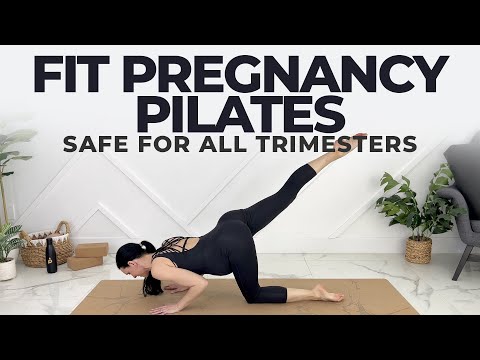 27:15
Pregnancy Pilates Workout for a Fit & Toned Pregnancy
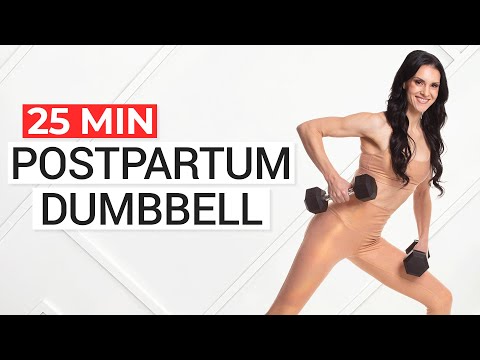 26:27
Postpartum Dumbbell Workout for Full Body Strength and Tone
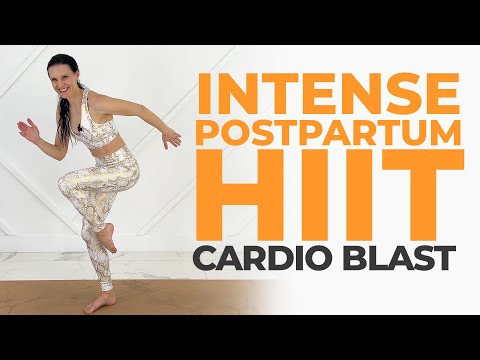 17:02
15-minute Postpartum Cardio Hiit for Core Strength
Related Workouts
 17:24
Metabolism-boosting Fat-burning Workout for Full Body in 17 Minutes
The Fit Mother Project - Fitness For Busy Moms
 16:28
16-minute Total Body Hiit for Weight Control
FitnessBlender
 20:39
20-minute Hiit Workout for Heart Health and Cardiovascular Endurance
Yes2Next
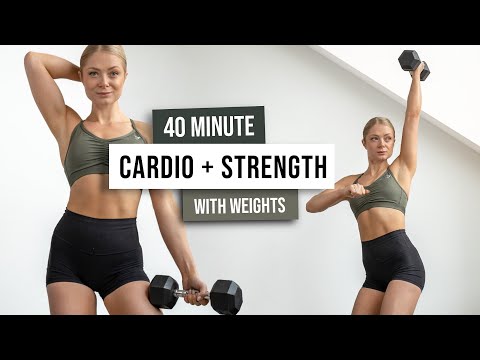 40:03
Full Body Strength and Sweat Workout with Weights for Muscle Strength
growingannanas
 15:25
15-minute Full Body Workout for Weight Control
Roberta's Gym
 23:30
Full Body Strength and Conditioning for Muscle Strength and Cardiovascular Endurance
Kaleigh Cohen Strength
Suitable Conditions
Therapeutic Goals
⚠️ Caution
Consult your doctor if you have: Diastasis Recti