

20-minute Dumbbell Workout for Arms and Shoulders
23-minute workout video. Strength. targeting Arms, Shoulders. medium intensity. helps with Muscle Strength, Weight Control / Fat Loss.
⏱️ Key Moments
Is this workout right for you?
This 24-minute strength workout uses dumbbells and a yoga mat to train the arms and shoulders. It includes shoulder presses, lateral raises, and tricep extensions at a medium intensity. The routine focuses on controlled movement and proper form. It is rated intermediate, so it is aimed at people who already have some exercise experience. It is low impact and includes rest periods.
Good for
- People who already exercise a little and want to build arm and shoulder strength
- Anyone who has some dumbbells at home and wants a focused upper body session
- People working on muscle strength as part of a weekly routine
- Those who want a workout that is longer than a short warm-up but not too demanding
Check first
- Talk with your doctor before starting if you have neck or shoulder pain, since the video is listed with a caution for this area.
- Do not use this video if you have rheumatoid arthritis, because it is listed as not suitable for this condition.
- If you have high blood pressure, ask your doctor whether strength work with weights is right for you.
- If you have had recent shoulder or elbow surgery or an injury, get clearance before lifting weights overhead.
Before you start
- Choose dumbbells you can control for the whole session, and have a lighter and heavier pair if you can.
- Clear enough floor space around you so you can move your arms freely without hitting furniture.
- Place a yoga mat on a flat, non-slip floor before you begin.
- Drink water before and during the session, and keep a chair nearby in case you need to sit.
- Plan for about 24 minutes plus a few minutes to set up and cool down.
Make it easier
- Use lighter dumbbells, or start with no weight to learn the movement pattern.
- Take longer rest breaks when you need them, and pause the video whenever you feel tired.
- Do the session in two shorter blocks across the day instead of one long session.
- Sit on a sturdy chair if standing feels unsteady, and keep your movements smaller.
When it feels easy
- Move to heavier dumbbells once the lighter weight feels controlled and steady for the full session.
- Shorten your rest breaks gradually, but only if your form stays steady.
- Add a second strength session later in the week to build on what you learned.
- Slow down the lowering phase of each movement to add time under tension without adding weight.
If you have a health condition
Rheumatoid Arthritis
This video is listed as not suitable for rheumatoid arthritis. Joint pain, swelling, or stiffness can change how your arms and shoulders handle weight. Talk with your rheumatology care team about safer options before you try any upper body strength work. Ask them which movements and loads are reasonable for your current symptoms.
Read the full rheumatoid arthritis exercise guide →Neck & Shoulder Pain
This video carries a caution for neck and shoulder pain. Overhead and lifting movements that use the shoulders can increase discomfort for some people. If you have ongoing pain, speak with your doctor or physical therapist first. Stop if you feel sharp pain, numbness, or pain that lasts after the workout.
Read the full neck & shoulder pain exercise guide →Hypertension
This video is listed for people with high blood pressure, but many people with hypertension also need medical guidance on lifting weights. Strength work can cause temporary blood pressure rises during effort. Ask your doctor about your target levels and whether this workout fits your plan. Breathe steadily and avoid holding your breath while you lift.
Read the full hypertension exercise guide →How it fits your week
Adults are generally encouraged to aim for 150 minutes of moderate activity a week. This 24-minute workout counts toward strength work but does not replace walking, cycling, or other aerobic activity. Many people use a session like this two or three times a week, with rest days between them. Plan it alongside your regular activity so your total weekly minutes keep building over time.
Frequently asked questions about 20-minute Dumbbell Workout for Arms and Shoulders
Is this workout good for beginners?▼
This workout is rated intermediate, so it is better suited to people who already have some exercise experience. If you are new to strength training, start with lighter dumbbells or no weight. Take longer breaks as needed, and stop if you feel pain. Many beginners build up to this level over several weeks before trying it.
Do I need dumbbells to do this workout?▼
Yes, the video lists dumbbells as required equipment. You will also use a yoga mat. If you do not own dumbbells, you may be able to borrow a light pair or use household items with similar weight, but check that they are secure and safe to lift before you start.
Can I do this workout if I have shoulder pain?▼
This video carries a caution for neck and shoulder pain, so talk with your doctor or physical therapist before starting. Many people with shoulder pain can do upper body work with changes, such as lighter weights and smaller movements. Stop right away if pain becomes sharp or lingers after the session.
This guide is general information written by VitalStep from the video's details, not medical advice. Ask your doctor what is right for you.
About the creator
This workout was created by Caroline Girvan and is played from YouTube, so every view counts for the creator's channel. VitalStep adds condition tags, a written guide and safety notes to help you decide whether it fits your health. If you enjoy it, support the creator on YouTube.
More from Caroline Girvan on VitalStep
 34:00
Pumping Cardio Workout for Full Body Endurance
 40:59
Calisthenics Full Body Workout for Muscle Strength
 34:03
Hiit Workout for Full Body Strength and Cardiovascular Endurance
 36:28
Full Body Dumbbell Workout for Muscle Strength and Weight Control
 26:02
Hiit Dumbbell Workout for Full Body Strength and Weight Control
 17:34
Full Body Kettlebell Workout for Muscle Strength and Weight Control
Related Workouts
 32:15
Full Body Resistance Training with Dumbbells for Muscle Strength
Kaleigh Cohen Strength
 23:31
20-minute Shoulder Workout for Muscle Strength
Caroline Girvan
 27:35
20-minute Upper Body Strength Workout for Muscle Strength
Caroline Girvan
 13:54
Dumbbell Upper Body Workout for Muscle Strength
Caroline Girvan
 11:03
Pilates Arm Workout for Muscle Strength
Club Forme Pilates & Barre
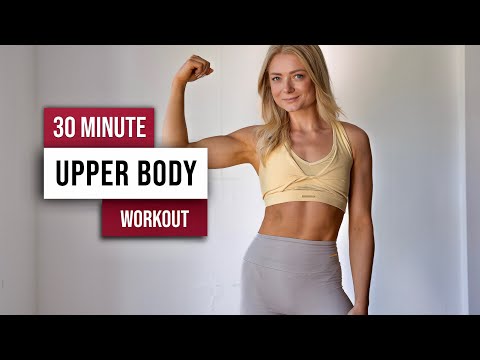 33:27
Toned Upper Body Workout for Muscle Strength - No Equipment, 33 Minutes
growingannanas
Suitable Conditions
Therapeutic Goals
⚠️ Caution
Consult your doctor if you have: Neck & Shoulder Pain
🚫 Contraindications
Avoid this workout if you have: Rheumatoid Arthritis