
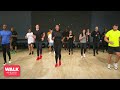
14-minute Walking Exercise for Cardiovascular Endurance
14-minute workout video. Cardio, Low Impact, Warm Up. targeting Full Body, Legs, Arms, Core. low intensity. helps with Cardiovascular Endurance, Weight Control / Fat Loss, Circulation / Blood Pressure.
⏱️ Key Moments
Is this workout right for you?
This 15-minute walking workout is a beginner, low-intensity session that needs no equipment. It is low impact and includes rest periods. It uses walking-style moves, including side steps, kicks, knee lifts, and arm movements, to work the legs, arms, core, and whole body. The goal is better cardiovascular endurance, and it is listed for people managing obesity, hypertension, or diabetes. Adults are generally encouraged to aim for 150 minutes of moderate activity a week, and this video can help you build toward that over time.
Good for
- Adults who are new to exercise or returning after a break and want a short, gentle session.
- People who want to build cardiovascular endurance without special equipment or a gym.
- Anyone who prefers a low impact workout that keeps at least one foot on the ground.
- People who want a routine that uses both legs and arms to get the heart rate up a little.
Check first
- Talk with your doctor before starting if you have heart disease, high blood pressure, diabetes, or any other chronic condition.
- Ask your doctor about exercise limits if you take medicines that affect your heart rate, blood pressure, or blood sugar.
- Stop and rest if you feel chest pain, dizziness, unusual shortness of breath, or nausea during the session.
- If you have had recent surgery, a fall, or an injury, get clearance before adding new movement.
Before you start
- Wear supportive shoes with good grip and a firm sole.
- Clear a space that is free of rugs, cords, and furniture you could bump into.
- Keep a chair or sturdy counter nearby in case you need to hold on for balance.
- Have water nearby and sip during the session, especially on warm days.
- Check your blood sugar or blood pressure as your doctor has advised if you monitor them.
Make it easier
- Shorten the time by stopping after part of the video and finishing the rest later in the day.
- Reduce the size of each step and move more slowly.
- Hold a sturdy chair or counter for balance during the standing moves.
- Keep your arm movements smaller if lifting your arms tires you quickly.
- Take extra rest breaks whenever you feel winded, using the built-in rest periods or pausing on your own.
When it feels easy
- Once the video feels comfortable, add a few extra minutes of walking at the end.
- Pick up the pace on the walking moves while keeping your form steady and controlled.
- Take the workout into a larger space where you can walk more freely.
- Repeat the full video on days you feel strong, while keeping rest days in your week.
If you have a health condition
Knee Disease
This video is listed with a caution for knee disease. Knee lifts, kicks, and side steps put repeated load on the knee joints. Many people with knee problems can still walk-based workouts with care, but check with your doctor or physical therapist first. Keep movements small, avoid pain, and stop if your knee swells, locks, or gives way.
Read the full knee disease exercise guide →Chronic Back Pain / Disc Herniation
This video is listed with a caution for chronic back pain or disc herniation. Some people with back problems tolerate gentle walking-style movement well, but check with your doctor before you start. Keep your posture upright, move in a smaller range if needed, and stop if you feel sharp pain, numbness, tingling, or pain that spreads down a leg.
Read the full chronic back pain / disc herniation exercise guide →Hypertension
This video is listed for people with hypertension, and its goals include circulation and blood pressure. Many people with high blood pressure can do light, steady movement with their doctor's approval. Ask your doctor what effort level is right for you. Avoid holding your breath, and stop if you feel dizzy, lightheaded, or have chest pain.
Read the full hypertension exercise guide →How it fits your week
Because this workout is short and low intensity, it can fit into most weeks. Many people start with two or three sessions a week and add more as they feel ready. Pair it with other walking or daily movement to build toward the general target of 150 minutes of moderate activity a week. Plan rest days, and allow extra recovery if you feel unusually tired or sore. Track how you feel over time, and adjust with your doctor's guidance.
Frequently asked questions about 14-minute Walking Exercise for Cardiovascular Endurance
Is a 15-minute walking workout enough to improve cardiovascular endurance?▼
A short walking workout can help build cardiovascular endurance, especially if you are new to exercise. Results usually come from doing it regularly over several weeks. Many adults aim for 150 minutes of moderate activity a week, so you may add other walks or sessions to reach that. Ask your doctor how much activity is right for your health.
Can I do this workout if I have knee problems?▼
This video is listed with a caution for knee disease, so check with your doctor or physical therapist before starting. Some people with knee conditions can do low impact walking-style movement with care. Keep your movements small, avoid any pain, and stop if your knee swells or feels unstable.
Do I need equipment for this workout?▼
No equipment is needed for this video. You can do it in your home with supportive shoes and a clear space. A sturdy chair or counter nearby can help with balance. Wear comfortable clothes that let you move freely, and keep water close by during the session.
This guide is general information written by VitalStep from the video's details, not medical advice. Ask your doctor what is right for you.
About the creator
This workout was created by Walk at Home and is played from YouTube, so every view counts for the creator's channel. VitalStep adds condition tags, a written guide and safety notes to help you decide whether it fits your health. If you enjoy it, support the creator on YouTube.
More from Walk at Home on VitalStep


Related Workouts
 31:54
Seniors & Beginners Cardio & Strength Workout for Weight Control
Curtis Adams
 20:46
20-minute Full Body Strength Training and Cardio for Seniors
Curtis Adams
 12:35
Low Impact Cardio Workout for Fat Loss and Full Body Toning
BodyFit By Amy
 18:48
15-minute Full Body Cardio for Weight Control
The Body Coach TV by Joe Wicks
 29:43
Beginner Cycling Workout for Full Body Strength and Cardiovascular Endurance
Kaleigh Cohen Cycling
 38:02
Metabolic Walking Exercises for Weight Loss - No Jumping
Olivia Lawson
Suitable Conditions
Therapeutic Goals
⚠️ Caution
Consult your doctor if you have: Chronic Back Pain / Disc Herniation, Knee Disease