
Neck and Shoulder Pain Exercise Plan for Men 50-59
Gentle Neck & Shoulder Relief
Morning Workout - Neck Mobility Routine
Neck Tilts, Neck Turns, and Chin Tucks to improve neck mobility. Best done before breakfast.
Afternoon Workout - Shoulder Rolls & Upper Back Stretch
Shoulder Rolls, Doorway Chest Stretch, and Seated Upper Back Stretch to relieve shoulder tension. Space out at least 1 hour after lunch.
Evening Workout - Guided Relaxation and Deep Breathing
Deep breathing exercises to relax neck, shoulders, and jaw. Do after dinner, before bed.
Morning Workout - Gentle Yoga for Neck & Shoulders
Cat-Cow Stretch, Thread the Needle, and Child’s Pose to improve flexibility. Empty stomach or light snack only.
Afternoon Workout - Scapular Retraction Exercise
Squeeze shoulder blades together to improve posture. Can be done sitting at your desk.
Evening Workout - Passive Stretching
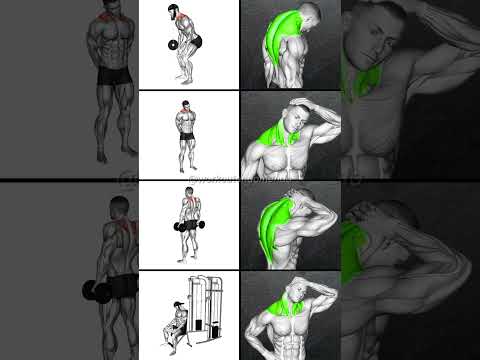
Upper Trapezius and Levator Scapulae stretches to relieve tension. Relax and breathe deeply during stretches.
Morning Workout - Upper Body Mobility Flow
Arm Circles, Cross-Body Shoulder Stretch, and Wrist Flexor Stretch to enhance mobility. Great way to start the day.
Afternoon Workout - Gentle Walking
Walk at a comfortable pace, focusing on posture and relaxed shoulders. Wear comfortable shoes.
Evening Workout - Neck and Shoulder Self-Massage
Use fingertips to gently knead neck and shoulder muscles. Use a warm pack before massage if needed.
Morning Workout - Resistance Band Shoulder Routine
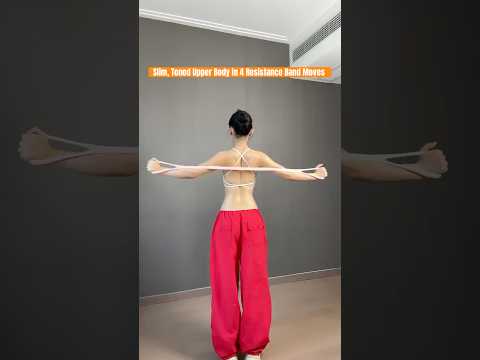
Resistance Band Pull-Aparts, Band External Rotations, and Band Shoulder Flexion to strengthen shoulders. Use light resistance band.
Afternoon Workout - Standing Wall Angels
Slide arms up and down wall to improve shoulder mobility. Focus on gentle movement.
Evening Workout - Relaxation Stretching
Repeat Upper Trapezius and Levator Scapulae stretches, focusing on slow, deep breathing. Ideal before bed.
Morning Workout - Pilates-Inspired Neck & Shoulder Sequence
Chin Nods, Shoulder Blade Slides, and Arm Reaches to enhance neck and shoulder mobility. Empty stomach or light meal only.
Afternoon Workout - Gentle Walking or Standing
Walk or stand while gently rolling shoulders to improve circulation.
Evening Workout - Guided Meditation for Pain Relief
Focus on slow breathing and release tension with each exhale to manage chronic pain.
Morning Workout - Full-Body Stretch & Mobility Flow
Cat-Cow Stretch, Child’s Pose, Doorway Chest Stretch, and Cross-Body Shoulder Stretch to enhance flexibility. Great for weekends, before breakfast.
Afternoon Workout - Relaxed Walking
Walk outdoors at a slow pace, focusing on posture and breathing. Enjoy nature, relax mind.
Evening Workout - Foam Rolling (Optional)
Gently roll upper back and between shoulder blades. Do NOT foam roll directly on the neck.
Morning Workout - Gentle Yoga & Breathing
Repeat Cat-Cow, Child’s Pose, and Thread the Needle. Finish with deep breathing, focusing on muscle relaxation.
Afternoon Activity - Rest or Leisure Walk
Walk at a relaxed pace, or simply rest and stretch as you feel. Listen to your body.
Evening Workout - Self-Reflection & Gentle Stretching
Choose your favorite stretches from the week, repeat each 2–3 times. Reflect on how you feel and any improvements.
Who this plan is for
This plan was built for men 50-59 living with Neck & Shoulder Pain, starting from a light activity activity level, with these goals: Pain Relief, Flexibility / Range of Motion. If your age, health or fitness is different, use it as a starting point and adjust, or build a free plan for your own profile.
Exercise guides: Exercise for Neck Pain
The week at a glance
21 sessions on 7 days, 335 minutes in total; sessions last 10–20 minutes.
About 60 of these minutes are walking or other cardio, which count toward the WHO guideline of 150 minutes of moderate aerobic activity a week (40% of it, if done at a pace that makes you breathe a little harder). Strength work appears on 1 day; WHO recommends muscle strengthening on 2 or more days a week. Stretching and breathing sessions help mobility and relaxation but are not counted here.
| Day | Sessions | Minutes | Main activities |
|---|---|---|---|
| Monday | 3 | 45 | Stretching, Breathing & relaxation |
| Tuesday | 3 | 45 | Yoga & tai chi, Stretching |
| Wednesday | 3 | 50 | Stretching, Walking |
| Thursday | 3 | 45 | Strength, Stretching |
| Friday | 3 | 45 | Yoga & tai chi, Walking, Breathing & relaxation |
| Saturday | 3 | 50 | Stretching, Walking |
| Sunday | 3 | 55 | Yoga & tai chi, Walking, Stretching |
Minutes by activity: Stretching 125 · Yoga & tai chi 60 · Walking 60 · Breathing & relaxation 30 · Strength 20.
Safety notes
- Check with your doctor or physiotherapist before starting, especially with heart disease, uncontrolled blood pressure or blood sugar, recent surgery or new pain.
- Keep to a pace where you can talk. Mild muscle effort is normal; sharp or increasing pain is a sign to stop.
Stop and get help if you notice
- Pain, numbness, tingling or weakness that spreads into your arm or hand
- Clumsy hands, changes in handwriting, or often dropping things
- Dizziness, blurred or double vision, trouble speaking or swallowing, or fainting during neck movement
- Neck pain after a fall, car crash or other injury
Beginner follow-along videos

Similar plans
How this plan was made
VitalStep’s AI generated this plan from the profile above (age group, gender, health conditions, goals and activity level), using general exercise guidance for those conditions. It was selected by the VitalStep team as a starter plan for this group. It has not been reviewed by a clinician for any individual and is general information, not medical advice.